

Simple soil amendment for robust heirloom vegetable gardens?

Cultivating heirloom vegetables offers a unique blend of historical connection, incredible flavor, and genetic diversity. However, these cherished varieties often thrive best in carefully nurtured environments. The secret to a truly robust heirloom garden doesn’t lie in complex chemical concoctions but rather in a simple, foundational approach: enriching your soil.
The Heart of the Garden: Why Soil Matters for Heirlooms
Heirloom plants, often less hybridized than their modern counterparts, can sometimes be more sensitive to environmental stressors. Their ability to resist disease, produce abundant yields, and develop their signature flavors is directly linked to the health of the soil they grow in. Healthy soil provides not just nutrients but also vital microbial life, optimal drainage, and consistent moisture retention—all crucial elements for heirloom vitality. Without a vibrant soil ecosystem, even the most promising heirloom seeds will struggle to reach their full potential.
The Cornerstone Amendment: Quality Compost
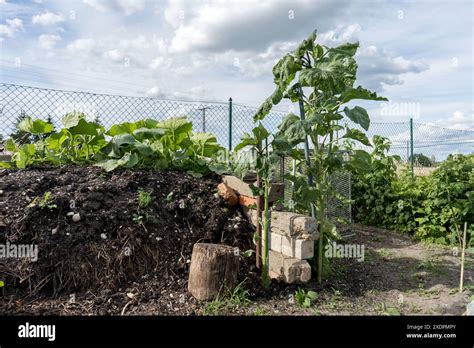
If there’s one single, simple amendment that can transform your heirloom garden, it’s compost. Often called ‘black gold,’ well-rotted organic compost is a powerhouse for soil improvement. It’s teeming with beneficial microorganisms that break down organic matter, making nutrients available to plants. Compost improves soil structure, enhancing both drainage in heavy clay soils and water retention in sandy soils. It also helps buffer soil pH and provides a slow, steady release of essential macro and micronutrients, creating an ideal environment for delicate heirloom roots.
How to Apply Your Compost for Maximum Impact
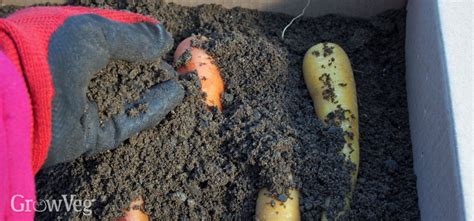
Applying compost is straightforward and doesn’t require specialized equipment. For new beds or before spring planting, incorporate a 2-4 inch layer of compost into the top 6-8 inches of soil. This provides a rich, fertile base for young heirloom roots to establish themselves. For existing plants, a simple top-dressing works wonders. Spread a 1-2 inch layer of compost around the base of your plants, being careful not to pile it directly against stems. Over time, rainfall and irrigation will carry the nutrients and beneficial microbes down into the root zone, continually feeding your plants.
Enhancing the Mix: Other Easy Soil Boosters
While compost is king, a few other simple organic amendments can provide specific benefits:
- Worm Castings: These are essentially super-concentrated compost, rich in readily available nutrients and beneficial microbes. A small handful mixed into planting holes or top-dressed around plants can give your heirlooms a significant boost.
- Alfalfa Meal: A slow-release source of nitrogen, alfalfa meal also contains natural growth hormones that can encourage vigorous plant development. Work it into the soil before planting or sprinkle it around existing plants.
- Cover Crops: When a bed is fallow, planting a cover crop like clover, vetch, or rye can prevent erosion, suppress weeds, and, most importantly, add vast amounts of organic matter and fix nitrogen back into the soil when tilled in (or chopped and dropped) before the next planting season.

Nurturing Your Soil Long-Term for Heirloom Success
Beyond initial amendments, consistent practices ensure your soil remains a vibrant habitat for your heirlooms:
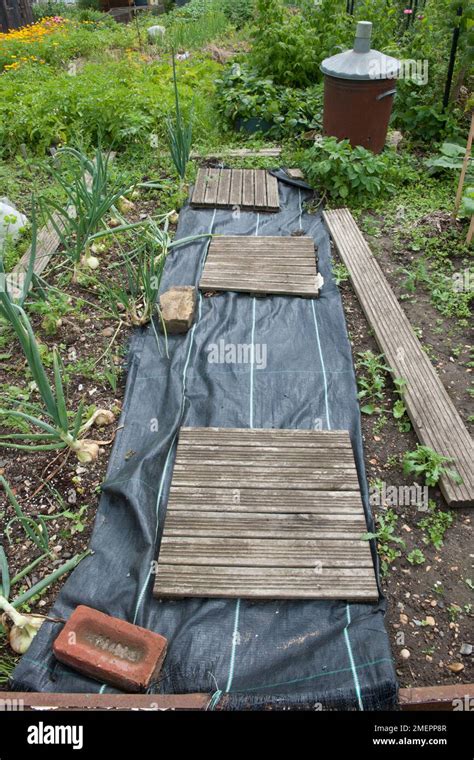
- Mulching: Applying a layer of organic mulch (straw, shredded leaves, wood chips) around your plants helps retain soil moisture, regulate soil temperature, suppress weeds, and slowly break down to contribute more organic matter to the soil over time.
- Crop Rotation: Regularly changing where you plant specific vegetable families helps prevent nutrient depletion in specific areas and reduces the buildup of soil-borne pests and diseases.
- Minimal Tillage: Excessive digging and tilling can disrupt the delicate soil structure and microbial networks. Opt for broadforking or shallow cultivation to preserve soil integrity.
The Rewards: A Robust and Flavorful Harvest
By focusing on simple, consistent soil amendments, you’re not just feeding your plants; you’re building a resilient ecosystem. This holistic approach leads to heirloom plants that are:
- More Robust: Stronger, healthier plants are naturally more resistant to pests and diseases, reducing the need for interventions.
- More Productive: Well-nourished soil translates directly into higher yields of your cherished fruits and vegetables.
- More Flavorful: Heirlooms are renowned for their taste, and healthy soil intensifies these unique flavors, making your harvest truly exceptional.
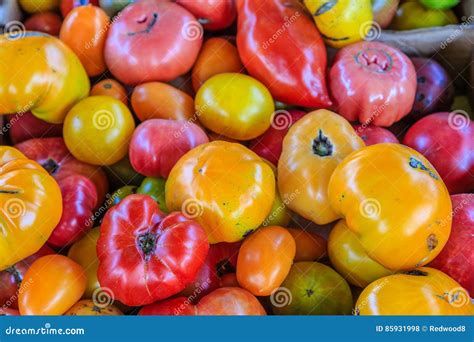
Embracing a simple soil amendment strategy, centered around quality compost and supported by good gardening practices, is the most effective way to ensure your heirloom vegetable garden flourishes. It’s a commitment to the health of your soil, which in turn, guarantees a bountiful and delicious harvest for seasons to come.