
Maximize small homestead garden yield for year-round food?
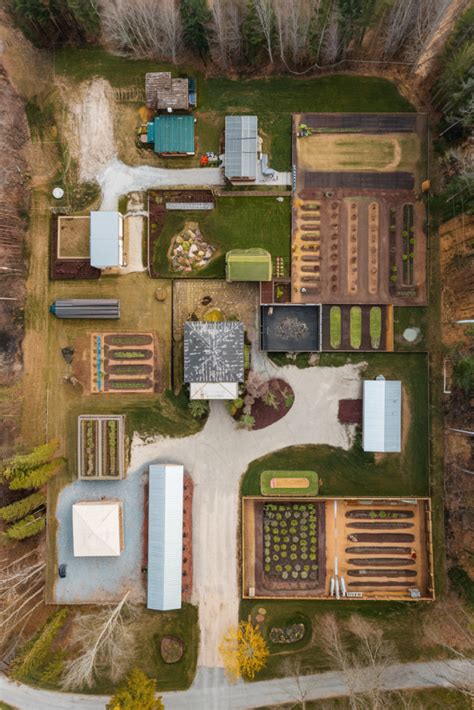
Transforming a small homestead garden into a year-round food source is an ambitious yet achievable goal. With thoughtful planning, innovative techniques, and a deep understanding of your microclimate, even a compact space can yield an abundant and continuous harvest. The key lies in optimizing every inch, extending your growing seasons, and making the most of your harvest through smart preservation.
Mastering Intensive Planting Techniques
To get the most out of limited space, traditional row planting often falls short. Embrace intensive gardening methods such as square foot gardening, which divides beds into small squares, each dedicated to a specific number of plants. This method significantly increases yield per square foot. Vertical gardening is another game-changer, utilizing trellises, stakes, and tiered planters to grow upwards, perfect for vine crops like cucumbers, pole beans, and certain squash varieties.
Companion planting also plays a crucial role, strategically placing plants together that benefit each other, whether by deterring pests, attracting beneficial insects, or improving soil health. Understanding these synergistic relationships can enhance overall garden vitality and productivity.
Nurturing Your Soil for Optimal Growth
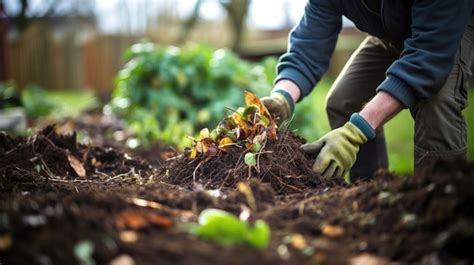
Healthy soil is the foundation of a productive garden. Implement a robust composting system to recycle kitchen scraps and garden waste into nutrient-rich soil amendments. Regular application of compost and other organic matter improves soil structure, water retention, and microbial activity. Mulching with straw, wood chips, or leaves helps conserve moisture, suppress weeds, and regulate soil temperature, creating a stable environment for roots.
Practicing crop rotation is vital for preventing nutrient depletion and reducing pest and disease buildup. Avoid planting the same crop family in the same spot year after year. Incorporating cover crops during fallow periods can further enrich the soil, prevent erosion, and add nitrogen naturally.
Extending the Growing Season
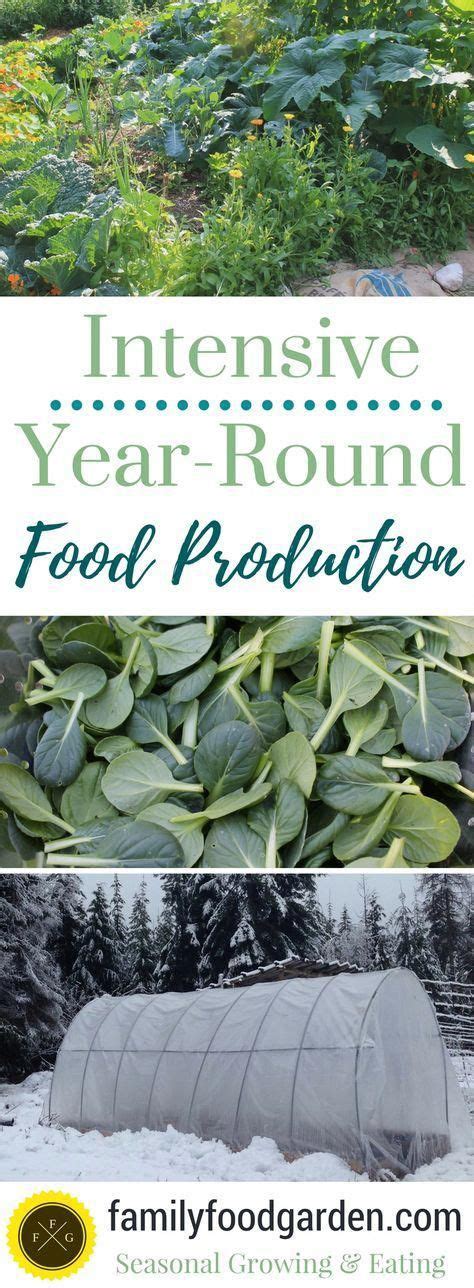
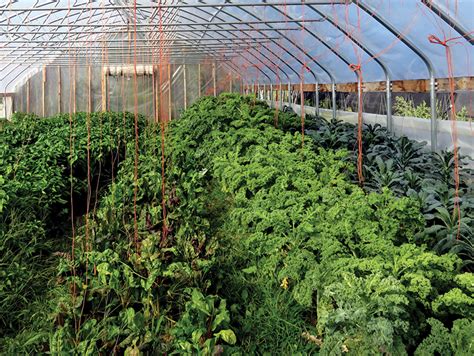
Year-round harvesting requires innovative approaches to extend your local growing season. Simple season extension tools like cold frames, cloches, and row covers can protect plants from early and late frosts, allowing you to start seedlings earlier and harvest later into the fall. For a more significant investment, a small hoop house or greenhouse can transform a portion of your garden into a controlled environment, making winter growing of cold-hardy crops feasible.
Succession planting is another cornerstone of continuous harvest. Instead of planting all of a particular crop at once, stagger plantings every few weeks. This ensures a steady supply of mature produce rather than an overwhelming glut, especially for fast-growing crops like lettuce, radishes, and bush beans.
Strategic Crop Selection
Choosing the right plants for a small, high-yield garden is critical. Prioritize high-producing crops that offer significant caloric or nutritional value in relation to the space they occupy. Examples include indeterminate tomatoes, pole beans, peas, Swiss chard, and various leafy greens. Look for compact or bush varieties if space is extremely tight.
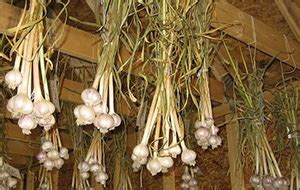
Don’t forget about perennial vegetables and fruits. Asparagus, rhubarb, berries, and certain herbs provide harvests for years with minimal replanting, freeing up space and time. Also, consider crops that store well, such as potatoes, carrots, onions, winter squash, and garlic, which can be harvested in bulk and preserved for colder months.
Efficient Harvesting and Preservation
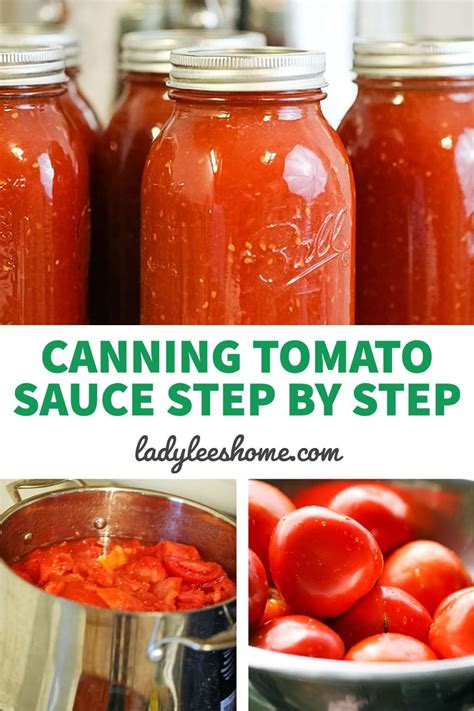
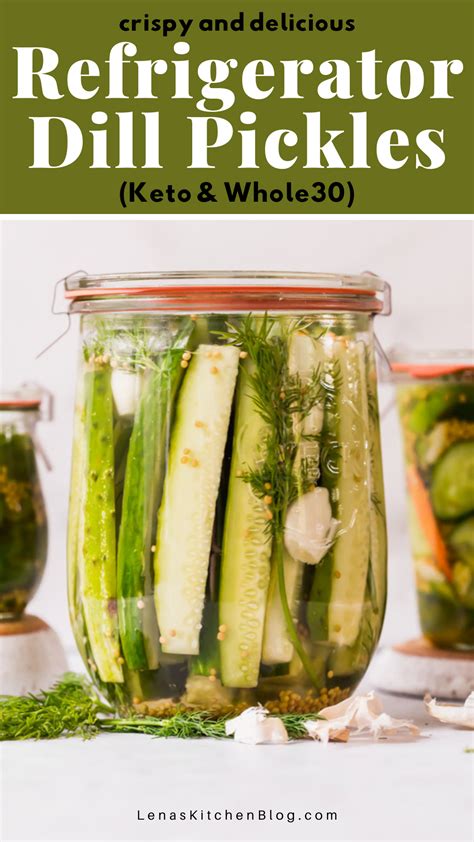
Knowing when and how to harvest is as important as growing. Regular harvesting encourages plants to produce more, especially for crops like beans, peppers, and cucumbers. Once harvested, effective preservation is key to ensuring a year-round food supply. Canning, freezing, drying, and fermenting are all excellent methods to store your bounty.
For root crops and certain fruits, a cool, dark root cellar or even a makeshift one in a garage or basement can extend their freshness for months. Learning diverse preservation techniques not only reduces waste but also provides a varied and nutritious diet throughout the year, even when the garden is dormant.

Conclusion
Maximizing a small homestead garden’s yield for year-round food is an ongoing journey of learning and adaptation. By implementing intensive planting, prioritizing soil health, extending your seasons, making smart crop choices, and mastering preservation, you can achieve remarkable self-sufficiency. Each season brings new opportunities to refine your techniques and enjoy the immense satisfaction of providing fresh, homegrown food for your family, no matter the time of year.