
Secret to crunchy homemade dill pickles that stay crisp?
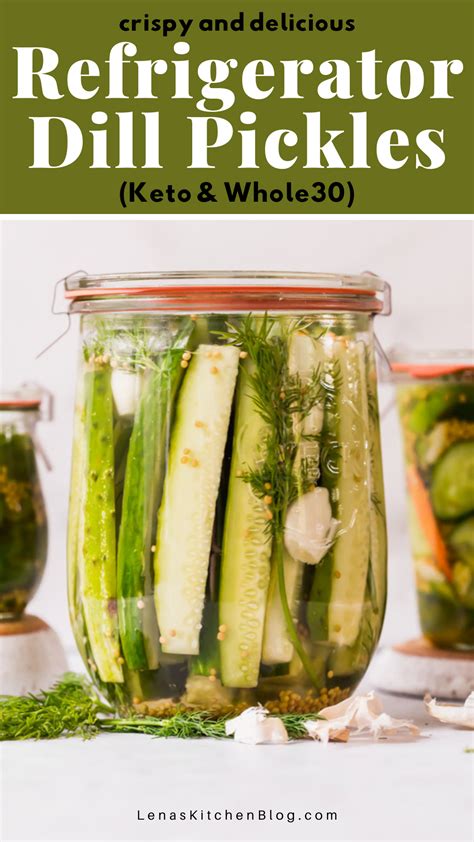
There’s nothing quite like the tangy crunch of a homemade dill pickle, but too often, aspiring canners are left with a jar full of soft, disappointing mush. The quest for that perfect snap can seem elusive, but fear not! Achieving consistently crisp pickles isn’t magic; it’s a science backed by a few key techniques and ingredients. Let’s dive into the essential secrets that will transform your pickling game.
The Right Cucumber Makes All the Difference
The foundation of a crisp pickle starts with the cucumber itself. Not all cucumbers are created equal for pickling. Opt for small, firm, and unwaxed pickling cucumbers, often labeled as Kirby or Persian cucumbers. They have thinner skins and fewer seeds, making them ideal for absorbing brine while retaining their texture. Harvest or purchase them fresh and pickle them as soon as possible—ideally within 24 hours of picking. The longer a cucumber sits, the more enzymes develop that can lead to softening.
Pre-Soak for Peak Crispness
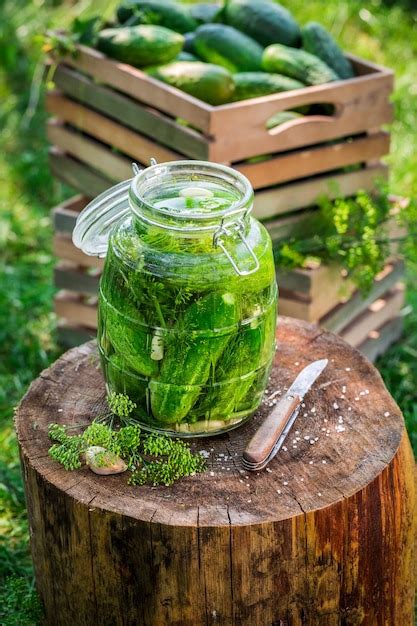
Before you even think about brining, give your cucumbers a cold shock. Soaking cucumbers in an ice bath for 2-4 hours (or even overnight in the refrigerator) is a time-honored trick. This process helps firm up the flesh and removes some of the excess water, preparing them to better absorb the pickling liquid without becoming waterlogged and soft.
Trim the Ends: A Small but Mighty Detail
The blossom end of a cucumber contains enzymes that can break down pectin, leading to soft pickles. While this isn’t always the cause, it’s a simple fix that significantly reduces the risk. Always trim about 1/16th of an inch off both ends of your cucumbers before packing them into jars. This small step can make a big difference.
The Power of the Brine: Ratios and Ingredients
A well-balanced brine is crucial. Use pickling salt (pure granulated salt without anti-caking agents or iodine) to avoid cloudy brine and off-flavors. A common ratio is 1/4 cup pickling salt per quart of water, but always follow a tested recipe. For vinegar, distilled white vinegar (5% acidity) is preferred as it has a consistent acidity and a neutral flavor that allows the dill and other spices to shine. Avoid using vinegar with lower acidity, as it can compromise food safety and crispness.
Natural and Chemical Crispness Enhancers
Beyond the basics, several additions can boost your pickles’ crunch:
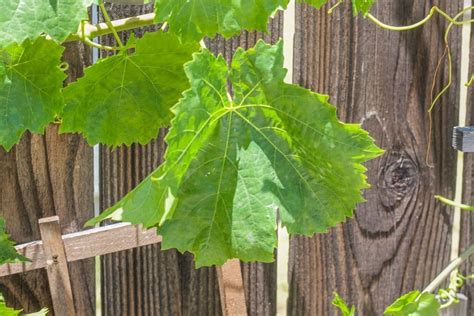
- Tannins: Adding a few fresh grape leaves, oak leaves, cherry leaves, or even a tea bag to each jar can introduce tannins that inhibit pectin-softening enzymes.
- Calcium Chloride (Pickle Crisp): This food-grade additive works wonders. A small amount, typically 1/4 teaspoon per quart jar, provides calcium ions that strengthen the pectin in the cucumber walls, guaranteeing an extra snap. It’s flavorless and safe, making it a favorite among serious canners.
Sterilization and Proper Canning Technique
Cleanliness is paramount for both safety and quality. Always sterilize your jars and lids thoroughly. When processing, ensure your water bath canner is properly maintained, and you follow the recommended processing times for your altitude. Over-processing can lead to softer pickles, so be precise with your timing.

The Waiting Game: Patience is a Virtue
Once your pickles are jarred and sealed, resist the urge to open them immediately. Homemade dill pickles need time for the flavors to meld and for the cucumbers to fully absorb the brine and achieve their peak crispness. Store them in a cool, dark place for at least 3-4 weeks (or even up to 6 weeks) before enjoying. This maturation period is essential for developing that desirable crunch and deep dill flavor.
Conclusion
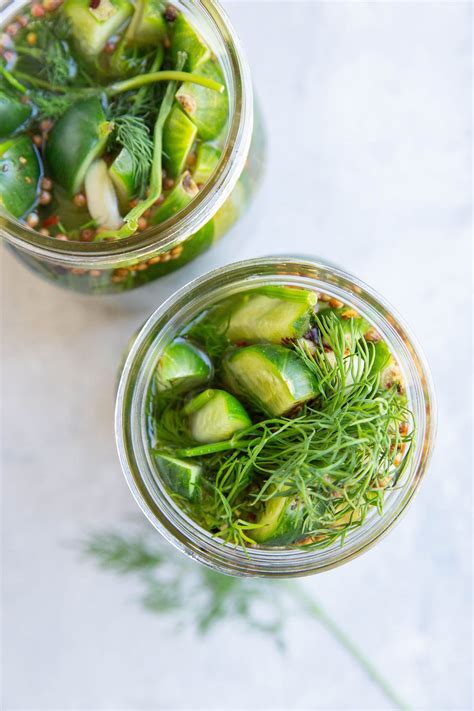
Crafting perfectly crunchy homemade dill pickles is a rewarding endeavor that relies on attention to detail at every step. From selecting the freshest cucumbers and trimming the ends, to employing cold soaks, precise brine ratios, and crispness enhancers like tannins or calcium chloride, each element plays a vital role. Combine these techniques with proper sterilization and a patient waiting period, and you’ll soon be enjoying jars of irresistibly crisp, flavorful dill pickles that will make you a pickling pro.