

How to build nutrient-rich garden soil using backyard compost?
The Foundation of a Thriving Garden
For any gardener, whether a seasoned veteran or a budding enthusiast, the secret to abundant harvests and vibrant blooms lies not just in the seeds they plant but in the soil beneath. Healthy soil is the bedrock of a successful garden, teeming with life and essential nutrients that fuel plant growth. While commercial fertilizers offer quick fixes, building truly nutrient-rich soil sustainably begins right in your own backyard: with compost.
Composting is nature’s recycling program, turning organic waste into a dark, crumbly, earthy-smelling material often referred to as ‘black gold.’ This invaluable amendment doesn’t just feed your plants; it transforms your soil structure, improves water retention, and fosters a healthy microbial ecosystem. Embracing backyard composting is a significant step towards a more sustainable and productive garden.
Unlocking Nature’s Soil Enhancer
Why Compost is Gold for Your Garden
Compost is far more than just plant food. It’s a complex blend that offers a multitude of benefits, making it indispensable for any gardener aiming for peak soil health and fertility:
- Nutrient Reservoir: Compost slowly releases a wide array of essential macronutrients (nitrogen, phosphorus, potassium) and micronutrients, providing a steady food source for plants without the risk of burning them.
- Improved Soil Structure: For sandy soils, compost helps retain moisture and nutrients. For heavy clay soils, it improves drainage and aeration, preventing compaction. It creates a crumbly texture ideal for root growth.
- Increased Water Retention: The organic matter in compost acts like a sponge, allowing soil to hold more water, reducing the need for frequent watering, especially during dry spells.
- Enhanced Microbial Activity: Compost is alive! It introduces beneficial microbes, fungi, and earthworms to your soil, which break down organic matter, cycle nutrients, and fight off plant diseases.
- pH Buffering: Compost helps to stabilize soil pH, making it more favorable for a wider range of plants.
- Suppresses Pests and Diseases: Healthy soil, enriched with compost, contributes to stronger, more resilient plants that are naturally better able to resist pests and diseases.
Simple Steps to Composting Success
Creating your own backyard compost might seem daunting, but it’s a straightforward process based on providing the right conditions for decomposition. All you need are ‘greens’ (nitrogen-rich materials) and ‘browns’ (carbon-rich materials), air, and moisture.
Choosing Your Composting Method
There are several ways to compost, depending on your space and preference:
- Open Pile: The simplest method, just a heap in a corner of your yard. Best for larger spaces.
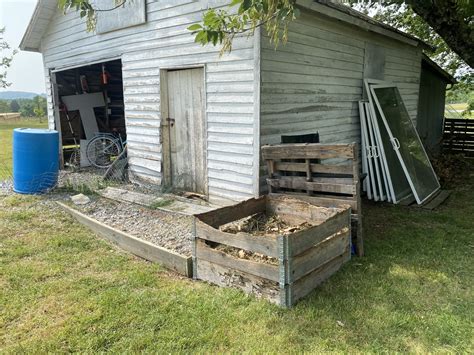
- Compost Bin: Enclosed structures (wire mesh, wood pallets, plastic bins) keep the pile tidy and can speed up decomposition.
- Tumbler Composter: A sealed barrel that rotates, making turning easy and often speeding up the process due to consistent aeration.
What to Compost (and What Not To)
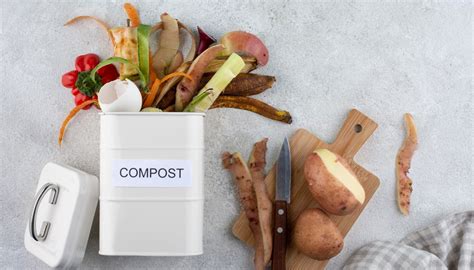
Greens (Nitrogen-rich): Kitchen scraps (fruit and vegetable peels, coffee grounds, tea bags), fresh grass clippings, plant trimmings, fresh weeds (before they go to seed).
Browns (Carbon-rich): Dried leaves, straw, wood chips, shredded newspaper, cardboard, sawdust, twigs.
Avoid: Meat, dairy products, oily foods (attract pests), diseased plants, pet waste, chemically treated wood, inorganic materials.
Maintaining Your Compost Pile
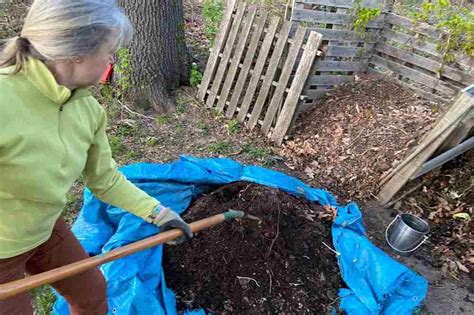
Aim for a good mix of greens and browns (roughly 1 part green to 2-3 parts brown by volume). Keep the pile moist, like a wrung-out sponge, and turn it regularly (weekly to monthly) to aerate it and speed up decomposition. With proper care, you can have finished compost in a few months to a year.
Integrating Compost for Optimal Soil Health
Once you have a batch of beautiful, dark compost, it’s time to put it to work. There are several effective ways to incorporate it into your garden.
Preparing New Garden Beds
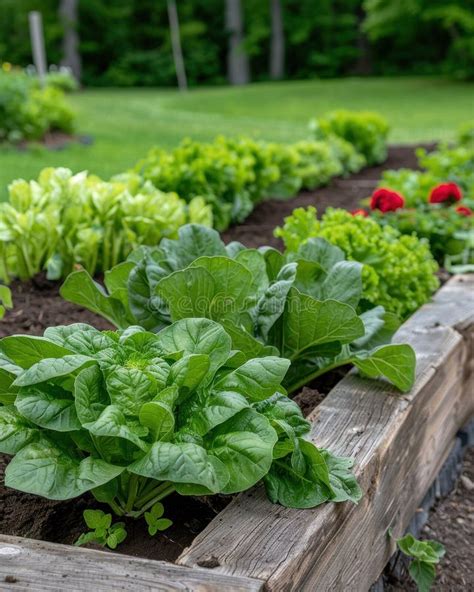
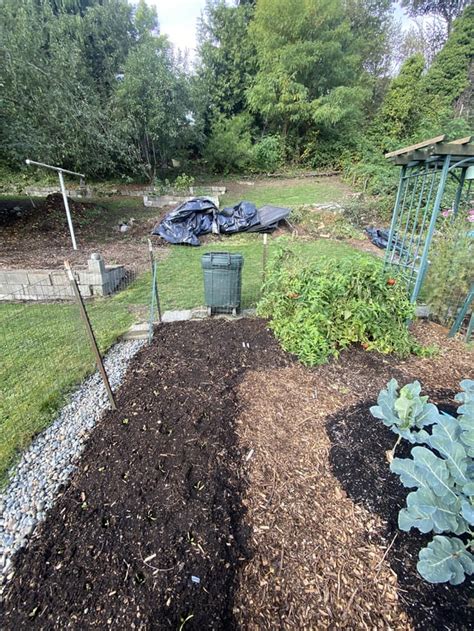
If you’re establishing a new garden area, a generous application of compost is key. Spread a 2-4 inch layer of finished compost over the entire bed. Then, gently incorporate it into the top 6-12 inches of existing soil using a broadfork, spade, or rototiller. This creates an immediate nutrient-rich, well-structured environment for your new plants.
Amending Existing Beds
For established garden beds, you can rejuvenate the soil annually or biannually. Apply a 1-2 inch layer of compost over the surface of the bed in spring or fall. You can lightly fork it into the top few inches of soil, taking care not to disturb existing plant roots too much, or simply let nature work it in with rain and microbial activity.
Top-Dressing and Side-Dressing
Throughout the growing season, individual plants can benefit from a boost. Apply a 1/2 to 1-inch layer of compost around the base of plants (top-dressing) or along rows of vegetables (side-dressing). This provides a slow-release nutrient feed and helps conserve soil moisture. Keep compost slightly away from plant stems to prevent potential issues.
The Enduring Rewards of Composting
Building nutrient-rich garden soil with backyard compost is not a one-time task but an ongoing practice that yields cumulative benefits. Each year you add compost, you’re not just feeding your plants; you’re building a healthier, more resilient soil ecosystem that will continue to improve over time. This approach reduces your reliance on synthetic fertilizers, minimizes waste, and fosters a deeper connection to the natural cycles of your garden.
Embrace the simplicity and power of composting, and watch your garden transform into a vibrant, productive haven, nurtured by the very waste you once discarded. Your plants, your soil, and the environment will thank you.