

Best ways to preserve garden excess using heritage recipes?

The Timeless Appeal of Heritage Preservation
As summer fades and autumn approaches, many gardeners find themselves with an abundant harvest, often more than they can consume fresh. While modern preservation methods are convenient, there’s a unique charm and flavor in turning to heritage recipes. These time-honored techniques not only reduce food waste but also connect us to culinary traditions, passed down through generations, offering a taste of history in every bite.
Embracing heritage preservation means more than just storing food; it’s about appreciating the ingenuity of our ancestors, who skillfully utilized every scrap of their harvest. From the savory tang of fermented vegetables to the sweet burst of homemade fruit preserves, these methods transform garden excess into pantry staples, ensuring delicious, wholesome food all year long.
Classic Heritage Methods for Every Garden Haul
Water Bath Canning & Jam Making
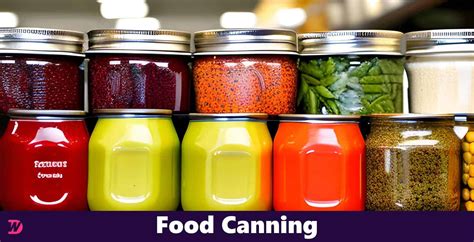
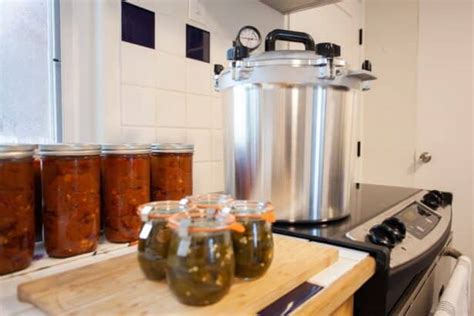
One of the most beloved heritage methods for fruit preservation is water bath canning. This technique is perfect for high-acid foods like fruits, jams, jellies, and fruit butters. Think of grandmother’s famous strawberry jam or her tart cherry preserves. Heritage recipes often feature simpler ingredient lists, letting the natural flavors of the fruit shine through, sometimes with unique spice combinations like cloves in apple butter or a hint of rosewater in quince jelly.
These recipes often involve slow cooking over several hours, caramelizing sugars and intensifying flavors, resulting in a depth rarely found in store-bought alternatives. Beyond the taste, the process itself is a meditative ritual, filling your home with sweet aromas and your pantry with colorful jars.

Pickling & Fermenting Vegetables
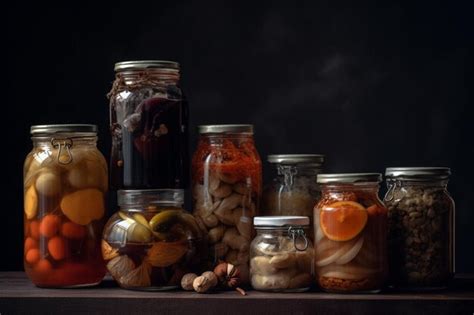
For savory garden bounty like cucumbers, beans, cabbage, and peppers, pickling and fermenting are heritage staples. Pickling, often done with vinegar, salt, and spices, creates crisp, flavorful vegetables that complement countless meals. Explore old family recipes for bread and butter pickles, dilly beans, or pickled beets.
Fermentation, on the other hand, uses beneficial bacteria to transform vegetables, creating probiotic-rich foods like sauerkraut, kimchi, and lacto-fermented pickles. This ancient method not only extends the shelf life of produce but also enhances its nutritional value and complex umami flavors. Many cultures have their own fermented vegetable traditions, offering a vast library of heritage recipes to explore.

Drying & Dehydration
Perhaps the oldest method of preservation, drying is simple, effective, and perfect for herbs, fruits, and even some vegetables. From sun-dried tomatoes to dried apples, plums, and fragrant herbs like oregano and thyme, drying concentrates flavors and nutrients. Heritage techniques often involved sun-drying on racks or hanging bundles of herbs in airy spaces.
While modern dehydrators offer consistency, the traditional methods connect us to a simpler time. Dried produce can be stored for months, providing ingredients for stews, teas, and snacks throughout the colder seasons. Imagine the scent of dried apples, ready to be rehydrated for a pie, or a pinch of your own sun-dried basil adding zest to a winter dish.
Tips for Embracing Heritage Recipes
Diving into heritage preservation can be incredibly rewarding. Here are a few tips to get started:
- Start Small: Don’t try to preserve your entire garden at once. Pick one or two methods and recipes to master first.
- Seek Authentic Recipes: Look for old cookbooks, family recipe cards, or community cookbooks. Websites and forums dedicated to traditional foodways are also great resources.
- Prioritize Safety: Especially with canning, always follow modern safety guidelines for processing times and equipment, even when using an old recipe. Adjustments may be needed for altitude or acidity levels.
- Embrace Imperfection: Heritage cooking is often about feel and intuition as much as precise measurements. Don’t be afraid to experiment and adapt recipes to your taste and available ingredients.
- Share the Knowledge: Just as these recipes were passed down, share your creations and knowledge with friends and family, keeping the tradition alive.
Preserving your garden’s excess using heritage recipes is a deeply satisfying endeavor. It’s a journey back to basics, a celebration of flavor, and a powerful way to connect with history and ensure a sustainable, delicious future for your pantry.