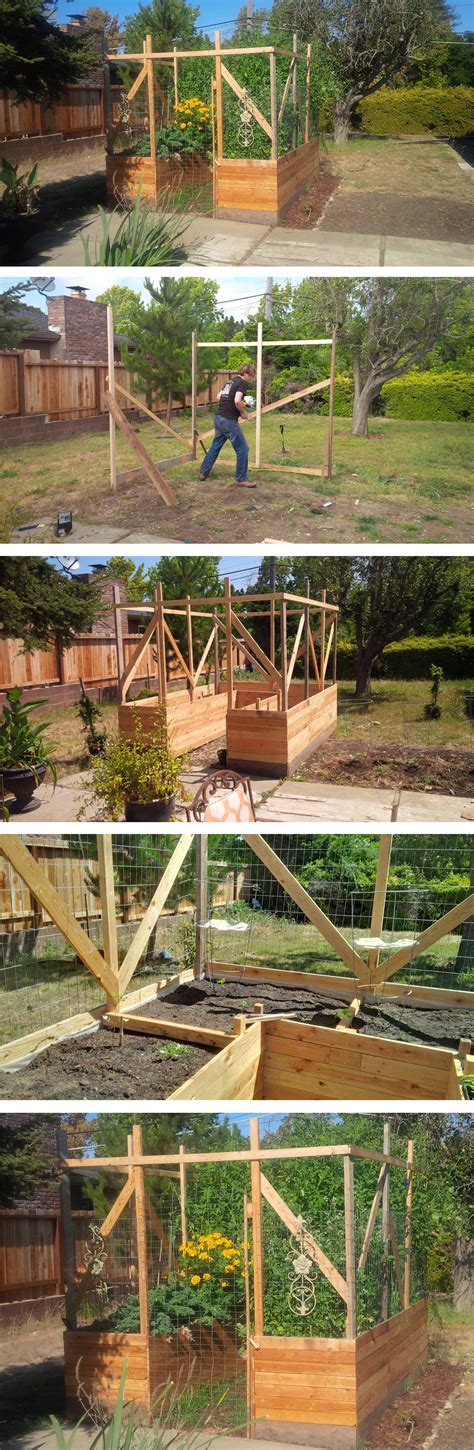
Best natural wood preservative for raised garden beds?

Building raised garden beds is a rewarding DIY project, offering better drainage, soil control, and easier access to your plants. However, the wood used for these beds is constantly exposed to moisture, soil, and fluctuating temperatures, making it highly susceptible to rot and decay. While synthetic preservatives exist, many gardeners prefer natural alternatives, especially when growing food, to avoid introducing undesirable chemicals into their soil and crops. The good news is several excellent natural options can significantly prolong the life of your raised garden beds.
Why Choose Natural Wood Preservatives for Garden Beds?
Opting for natural wood preservatives is a conscious choice that aligns with sustainable and organic gardening practices. The primary motivation for many is food safety; synthetic treatments can leach chemicals into the soil, potentially affecting the plants you intend to eat. Natural alternatives, conversely, are typically plant-based or mineral-based, posing less risk to your edibles and the surrounding ecosystem. They also contribute to a healthier garden environment, supporting beneficial microbes and insects without chemical interference.
Top Natural Options for Your Raised Beds
When selecting a natural preservative, consider its effectiveness, ease of application, and safety profile. Here are some of the best choices:
1. Linseed Oil (Flaxseed Oil)
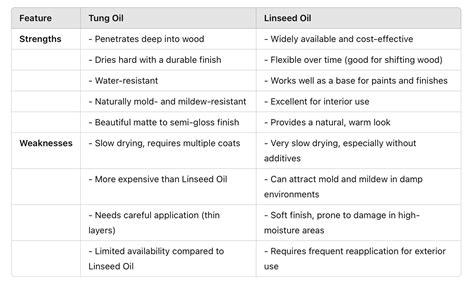
Derived from flax seeds, linseed oil is a popular natural wood finish. It penetrates the wood fibers, hardens, and forms a durable, water-resistant barrier. For garden beds, raw linseed oil is often preferred over boiled linseed oil, as boiled versions can sometimes contain metallic dryers (though food-grade boiled linseed oil exists). It offers excellent protection against moisture and UV rays, preventing cracking and rot. Linseed oil also highlights the natural grain of the wood, enhancing its aesthetic appeal.
2. Tung Oil
Harvested from the nuts of the tung tree, this oil is renowned for its superior water resistance and flexibility. Tung oil creates a tough, flexible, and food-safe finish that resists mildew and penetration by water. It’s a great choice for raised beds as it creates a stronger barrier than linseed oil and is generally more expensive. Pure tung oil is non-toxic and ideal for surfaces that come into contact with food. It cures to a beautiful, subtle sheen that darkens slightly with age.
3. Shou Sugi Ban (Yakusugi)
This ancient Japanese technique involves charring the surface of wood, then cooling, cleaning, and sealing it. The burned layer creates a carbonized barrier that is highly resistant to rot, insects, and fire. While more labor-intensive, Shou Sugi Ban offers incredibly long-lasting protection and a unique, striking aesthetic. The charring essentially seals the wood pores, making it extremely durable without any chemical treatments. This method is particularly effective for the exterior of your raised beds.

4. Food-Grade Mineral Oil
While not a traditional long-term preservative, food-grade mineral oil is an excellent option for the interior surfaces of your raised beds that will be in direct contact with soil. It’s inexpensive, non-toxic, and creates a moisture barrier. However, it needs more frequent reapplication compared to linseed or tung oil as it doesn’t cure or harden in the same way. It’s particularly useful for lining beds if you want to add an extra layer of non-toxic protection without fully sealing the wood.
Application Tips for Longevity
Regardless of the natural preservative you choose, proper application is key to its effectiveness:
- Clean and Dry Wood: Ensure the wood is clean, dry, and free of any dirt or existing finishes. Sanding lightly can help the oil penetrate better.
- Multiple Coats: Most natural oils require multiple thin coats. Allow each coat to fully penetrate and dry (or cure) before applying the next.
- Wipe Off Excess: Always wipe off any excess oil after about 15-30 minutes to prevent a sticky finish, especially with linseed and tung oil.
- Ventilation: Work in a well-ventilated area.
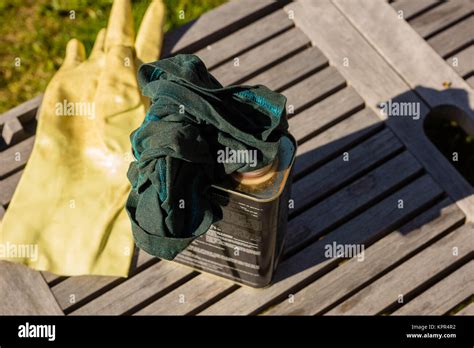
- Disposal of Rags: Rags soaked in linseed or tung oil can spontaneously combust. Always lay them flat to dry or soak them in water before disposing of them in an airtight container.
Considering Naturally Rot-Resistant Woods
While not a preservative in itself, starting with naturally rot-resistant wood greatly reduces the need for extensive treatments. Cedar, redwood, and black locust are excellent choices for raised beds due to their inherent resistance to decay and insects. Even with these woods, a natural oil finish will further extend their lifespan and protect them from the elements.
Maintenance and Reapplication
Natural wood preservatives typically require reapplication every 1-3 years, depending on your climate and the severity of exposure. Monitor your raised beds annually for signs of wear, fading, or moisture absorption. A simple reapplication of your chosen oil can keep your beds looking great and functioning well for many growing seasons to come. For Shou Sugi Ban, maintenance is minimal; the charred layer offers protection for decades.

Conclusion
Protecting your raised garden beds naturally is a sustainable and food-safe approach to garden longevity. By choosing natural wood preservatives like linseed oil, tung oil, or even the traditional Shou Sugi Ban method, you can significantly extend the life of your garden beds while maintaining an eco-friendly growing environment. Invest a little time in preparation and application, and your beautiful, healthy raised beds will serve you and your plants for many years to come.