


Easy ways to involve kids in real food cooking & gardening?
In a world often dominated by screens and processed snacks, engaging children with real food – from soil to plate – offers a wealth of benefits. Not only does it teach them valuable life skills and encourage healthy eating habits, but it also creates lasting family memories. Getting kids involved in cooking and gardening doesn’t have to be a monumental task; it can be fun, messy, and incredibly rewarding. Here are some easy, actionable ways to introduce your little ones to the joys of wholesome food preparation and nurturing nature.
Cultivating Culinary Confidence: Kids in the Kitchen
The kitchen can seem daunting, but with a little guidance, it transforms into a playground for creativity and learning. Start by assigning age-appropriate tasks:
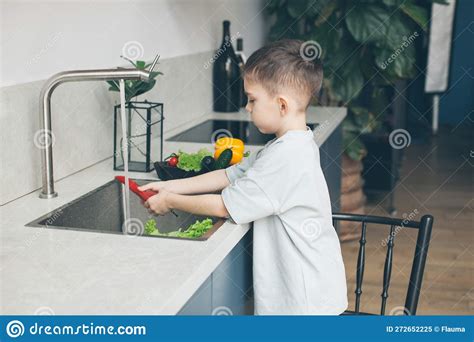
- Toddlers (1-3 years): Washing fruits and vegetables, stirring ingredients in a bowl (with supervision), tearing lettuce, mashing soft foods.
- Preschoolers (3-5 years): Measuring dry ingredients, pouring liquids, spreading butter, kneading dough, setting the table.
- School-Aged Kids (6+ years): Cracking eggs, chopping soft vegetables with a child-safe knife, reading simple recipes, using simple kitchen appliances (with supervision), peeling vegetables.
Make it an adventure! Give dishes funny names, create “mystery ingredient” taste tests, or let them choose a recipe to try. Embrace the mess – it’s part of the learning process, and a little flour on the floor is a small price to pay for a lifetime of culinary curiosity.
Nurturing Green Thumbs: Gardening with Children
Connecting with where food comes from is a powerful lesson. Gardening offers a sensory-rich experience that teaches patience, responsibility, and the magic of nature. You don’t need a sprawling backyard to get started:
- Start Small: A single pot on a windowsill for herbs, a small raised bed, or even a container garden is perfect.
- Easy-Grow Plants: Choose plants that offer quick rewards and are easy for kids to manage, like radishes, cherry tomatoes, snap peas, strawberries, sunflowers, or basil.
- Give Them Ownership: Dedicate a small corner of the garden or a specific pot just for them. Let them choose what to plant and be responsible for watering and care.
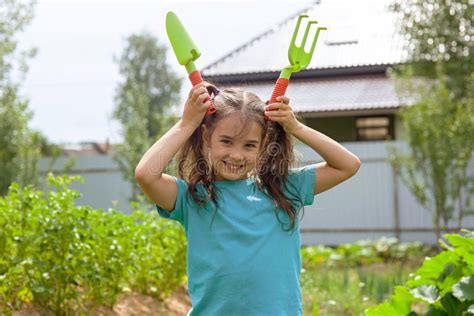
- Tools of Their Own: Invest in child-sized gardening gloves and hand tools to make them feel like real gardeners.
Watching a tiny seed transform into a vibrant plant, and then into something delicious to eat, is an unparalleled joy for a child. It also helps them understand the effort and time involved in producing food.
From Garden to Plate: Bridging the Gap
The real magic happens when you connect the garden directly to the kitchen. This farm-to-table experience is incredibly impactful:
- Harvest Together: Let them pick the tomatoes for tonight’s salad or the basil for pesto.
- Wash and Prepare: Involve them in washing the freshly picked produce, understanding that it often comes with a bit of soil.
- Cook with Your Harvest: Show them how the food they grew becomes part of a delicious meal. This direct link makes them more likely to try and enjoy new vegetables.
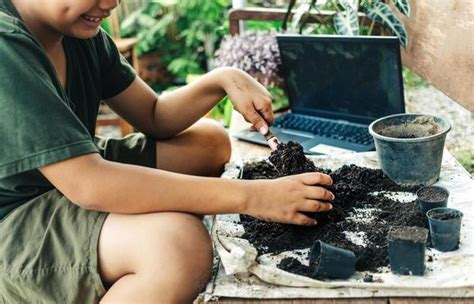
- Composting Lesson: Teach them about closing the loop by composting kitchen scraps and garden waste, showing how it enriches the soil for future plants.
This holistic approach not only teaches practical skills but also instills an appreciation for nature, sustainability, and healthy eating.
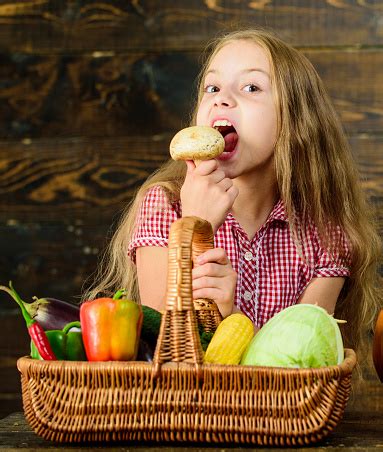
Making it a Family Affair
Ultimately, involving kids in cooking and gardening is about more than just tasks; it’s about shared experiences and building a healthy foundation for life. Be patient, be present, and celebrate every small success – whether it’s a perfectly peeled carrot or a sprouted seed. These moments not only teach valuable lessons about food and nature but also strengthen family bonds and create cherished memories that will last a lifetime.