
Best natural ways to preserve excess summer garden produce without canning?

Embrace the Bounty: Natural Preservation Beyond the Can
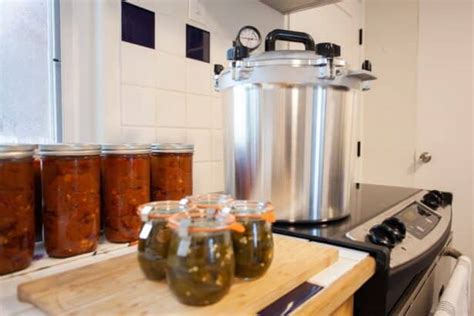
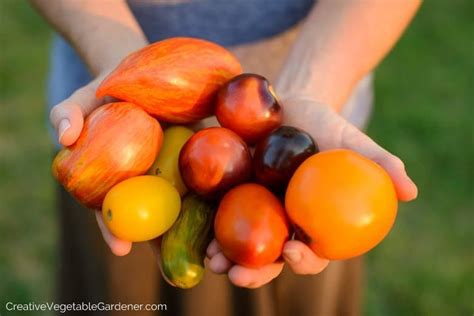
Summer gardens offer a glorious abundance, often more than can be consumed fresh. While canning is a time-honored tradition, many natural, non-canning methods exist to extend the life of your produce, allowing you to enjoy the taste of summer long into the colder months. These techniques are often simpler, require less specialized equipment, and can even enhance the nutritional value and flavor of your harvest.
Freezing Your Way to Year-Round Freshness
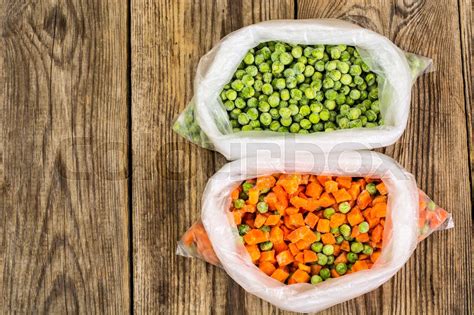
Freezing is arguably the easiest and most versatile method for preserving a wide variety of fruits and vegetables. It locks in nutrients and flavor, making it a go-to for many gardeners. Most vegetables benefit from blanching (briefly boiling then rapidly cooling in ice water) before freezing to halt enzyme activity and preserve color, texture, and nutrients.
Fruits, on the other hand, often freeze beautifully without pre-treatment. Berries can be flash-frozen on a baking sheet before being transferred to freezer bags to prevent clumping. Herbs can be chopped and frozen in ice cube trays with a little water or olive oil, perfect for adding to winter soups and stews. Don’t forget to puree excess tomatoes, peppers, or squash for convenient sauces and bases.
The Ancient Art of Drying and Dehydration
Drying is one of humanity’s oldest preservation methods, concentrating flavors and making food lightweight and shelf-stable. A food dehydrator offers precise control, but sun-drying (in hot, dry climates) or oven drying at low temperatures can also work for many items. Herbs are excellent candidates for drying; hang them upside down in a cool, dark, well-ventilated area, or use a dehydrator.
Fruits like apples, berries, and peaches can be sliced and dehydrated into delicious, chewy snacks or fruit leathers. Vegetables such as tomatoes, peppers, and zucchini can also be dried and later rehydrated for use in cooking. Ensure foods are completely dry before storing in airtight containers to prevent mold.
Fermentation for Flavor, Probiotics, and Longevity
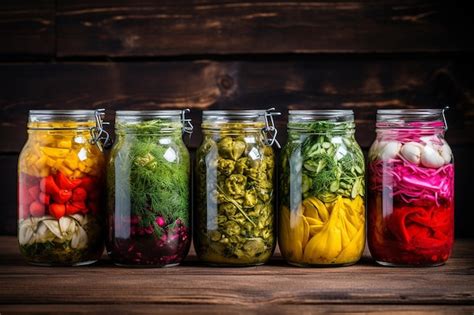
Fermentation is a transformative process that not only preserves food but also enhances its flavor and boosts its probiotic content, contributing to gut health. This method involves beneficial bacteria converting sugars into lactic acid, creating an acidic environment that inhibits spoilage. Popular fermented foods include sauerkraut (fermented cabbage), kimchi (Korean fermented vegetables), and lacto-fermented pickles (cucumbers, carrots, green beans).
The process is relatively simple, usually requiring just vegetables, salt, and water (brine), along with an airtight container or a jar with an airlock. The key is to keep the vegetables submerged in the brine and maintain a consistent temperature. Fermented foods can last for months, even a year, when stored in a cool place.
Root Cellaring and Cool Storage Solutions
For certain types of produce, a cool, dark, and humid environment can be an ideal natural preservation method. A traditional root cellar, whether purpose-built or a converted basement corner, mimics these conditions. Even without a dedicated root cellar, you can create cool storage solutions in unheated closets, basements, or even buried insulated containers.
Root vegetables like carrots, potatoes, parsnips, and beets thrive in cool, moist conditions. Squash and pumpkins prefer cool, dry environments. Apples can also be stored for extended periods in a cool, humid space. Ensure produce is clean, bruise-free, and not touching to prevent spoilage from spreading. Regular inspection is key to success.
Oil Infusions, Vinegars, and Salt Curing
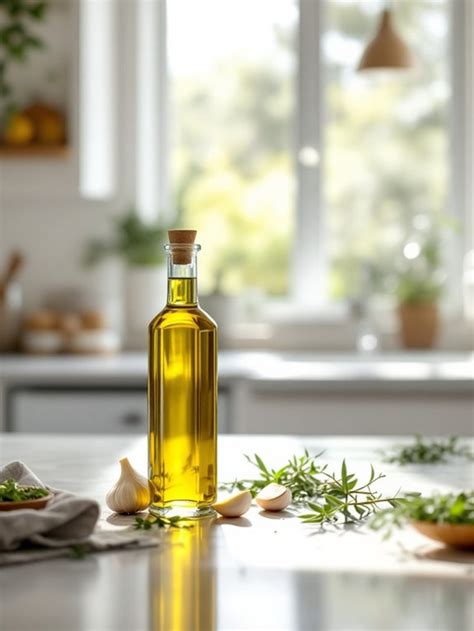
Beyond the main methods, several other natural techniques can help you preserve smaller quantities or specific items. Infusing herbs in quality oils or vinegars can capture their essence for culinary use. However, when infusing fresh garlic or herbs in oil, always store them in the refrigerator and use them within a week, as anaerobic conditions at room temperature can create a risk of botulism.
Vinegar infusions, on the other hand, are more stable due to the high acidity. Fresh herbs like rosemary, thyme, or basil can be submerged in good quality apple cider or white vinegar for flavorful additions to dressings and marinades. Salt curing, while less common for garden produce, can be used for items like green beans (salt-cured beans) or certain types of peppers, drawing out moisture and inhibiting bacterial growth.
Maximizing Your Preservation Efforts
Regardless of the method you choose, a few general tips will enhance your success. Always start with the freshest, highest quality produce, free from blemishes or signs of spoilage. Clean your produce thoroughly, and ensure all equipment is sanitized. Proper labeling with the date of preservation is crucial for managing your pantry.
Experimenting with different methods can be incredibly rewarding, allowing you to discover new flavors and techniques that best suit your lifestyle and your garden’s yield. By embracing these natural preservation strategies, you can transform your fleeting summer bounty into a year-round source of nutritious and delicious food, reducing waste and fostering self-sufficiency.