


Best way to season and clean cast iron skillets naturally?

Embracing the Legacy of Cast Iron
Cast iron skillets are beloved by home cooks and professional chefs alike for their incredible durability, even heat distribution, and naturally non-stick surface—provided they are properly seasoned and maintained. Far from being high-maintenance, caring for cast iron is a simple, natural process that enhances its performance with every use. Ditching harsh chemicals, this guide will walk you through the best natural ways to season and clean your trusty cast iron.
The Art of Natural Seasoning: Building a Durable, Non-Stick Surface
Seasoning is essentially baking a thin layer of oil onto the cast iron, creating a polymerized, non-stick surface. This layer prevents rust and imparts that sought-after cooking quality. Consistency is key, especially when naturally seasoning.
Step-by-Step Natural Seasoning
- Clean Thoroughly: If seasoning a new (or newly stripped) skillet, wash it with warm water and a tiny bit of mild soap (for initial cleaning only!). Use a stiff brush to remove any residue. Rinse thoroughly.
- Dry Completely: Immediately place the skillet on a burner over medium heat for 5-10 minutes until it is bone dry. Any residual water can lead to rust.
- Apply a Thin Layer of Oil: Remove from heat. Apply a very thin, even layer of a high smoke point oil like flaxseed oil (for strongest seasoning), grapeseed oil, or vegetable oil, using a paper towel. Wipe off any excess meticulously – the skillet should look dry, not oily. Too much oil will result in a sticky, gummy finish.
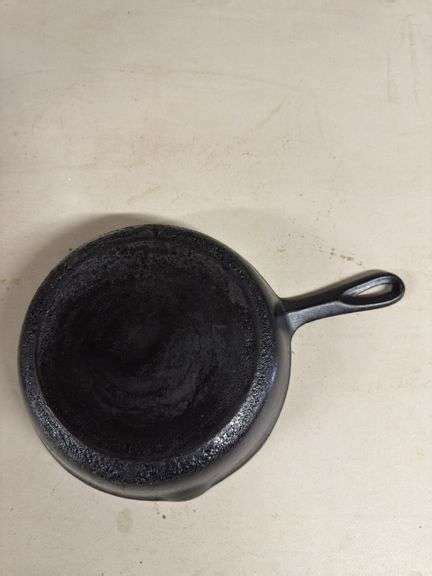
- Bake It On: Place the skillet upside down in a cold oven. Heat the oven to 450-500°F (232-260°C). Once the oven reaches temperature, bake for one hour.
- Cool Slowly: Turn off the oven and let the skillet cool completely inside. This slow cooling helps bond the oil to the iron.
- Repeat for Best Results: For a truly robust seasoning, repeat steps 3-5 at least 3-5 times. The more layers, the better the non-stick quality and protection.

Gentle & Effective Natural Cleaning: Preserving Your Seasoning
The beauty of well-seasoned cast iron is that most food simply slides off, making cleaning quick and easy. The goal is to clean without stripping away the hard-earned seasoning.
Immediate Post-Use Cleaning
- Scrape While Warm: After cooking, while the skillet is still warm (but not scalding hot), use a metal spatula or a plastic pan scraper to remove any stuck-on food.
- Hot Water Rinse: Rinse the skillet under hot running water. For most situations, hot water and a stiff nylon brush or a chainmail scrubber are all you need to clean your skillet thoroughly. Avoid using regular dish soap if possible, as it can strip seasoning over time.
- For Stubborn Bits (Salt Scrub): If food is really stuck, pour a tablespoon or two of coarse salt (like kosher salt) into the skillet. Add a little hot water and scrub vigorously with a paper towel or sponge. The salt acts as a natural abrasive without damaging the seasoning. Rinse well.
Drying and Re-oiling After Cleaning
This is arguably the most crucial step in natural cast iron care after cleaning.
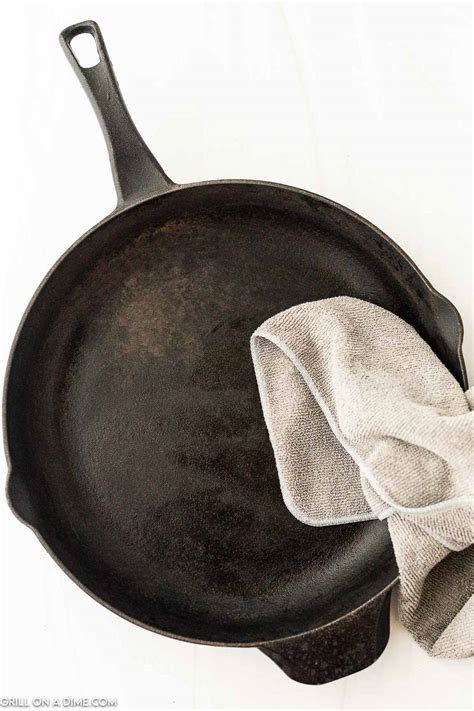
- Dry Completely: Immediately after rinsing, place the skillet back on a stovetop burner over medium-low heat. Heat for 2-5 minutes until all moisture has evaporated. You should see steam rising; when it stops, it’s dry.
- Apply a Maintenance Oil Coat: Once bone dry and slightly warm, remove from heat. Apply a very thin layer of cooking oil (vegetable, grapeseed, or even rendered bacon fat) to the entire surface, inside and out, using a paper towel. Again, wipe off any excess until it looks almost dry. This protective layer prevents rust and maintains your seasoning.
Maintaining Your Cast Iron Masterpiece for Generations
Beyond seasoning and cleaning, a few habits will ensure your cast iron lasts a lifetime and beyond.
Daily Use Best Practices
- Preheat Properly: Always preheat your cast iron slowly over medium heat for 5-10 minutes before adding food. This ensures even heat and prevents sticking.
- Use Cooking Fats: While seasoned cast iron is naturally non-stick, using a small amount of cooking oil or fat (butter, oil, bacon grease) still improves cooking and helps maintain the seasoning.
- Avoid Extreme Temperature Changes: Don’t put a hot skillet into cold water, or vice versa, as this can crack the iron.

Rust Prevention and Storage
The biggest enemy of cast iron is moisture, leading to rust. Proper drying and storage are paramount.
- Store Dry: Ensure your skillet is completely dry and has its thin layer of oil before storing.
- Air Circulation: Store in a dry place. If stacking, place a paper towel between skillets to absorb any potential moisture and allow for air circulation.
The Reward of Natural Care
Caring for your cast iron skillet naturally is a rewarding process that deepens its character and performance over time. By following these simple steps for seasoning and cleaning, you’ll ensure your skillet remains a cherished kitchen tool, providing delicious meals for years to come without the need for harsh chemicals or synthetic coatings. Embrace the tradition, and enjoy the journey of cooking with a truly natural, sustainable, and increasingly non-stick pan.