




Simple sourdough starter tips for busy homesteaders wanting fresh bread?

For many busy homesteaders, the dream of fresh, warm sourdough bread straight from their own oven feels like a luxury reserved for those with endless hours. Yet, with a few smart strategies, maintaining a vibrant sourdough starter and baking delicious loaves can become a simple, integrated part of your country living rhythm, even when time is a precious commodity.
The Allure of Homemade Sourdough on the Homestead
There’s something uniquely satisfying about baking with sourdough. It connects us to age-old traditions, leverages natural fermentation, and results in a bread with unparalleled flavor and digestibility. For homesteaders striving for self-sufficiency, mastering sourdough is a natural fit, reducing reliance on store-bought yeast and bringing a wholesome staple directly to your table.
Choosing Your Starter’s Home (and Schedule)
The key to low-maintenance sourdough lies in understanding how to store and feed your starter based on your baking frequency.
Countertop Convenience for Frequent Bakers
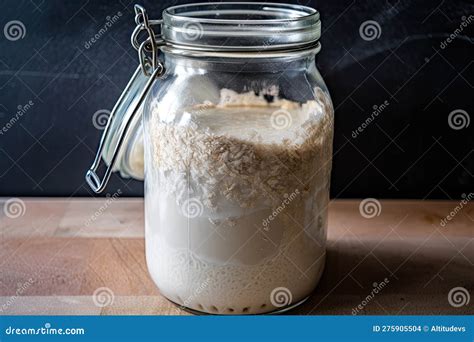
If you plan to bake every few days, keeping your starter on the countertop at room temperature is ideal. It will need feeding daily (or every 12-24 hours depending on temperature) but will always be active and ready to go when you are.
Refrigerator Naps for the Less Frequent
For those who bake weekly or less often, the refrigerator is your best friend. A well-fed starter can happily nap in the fridge for a week or even two (some push it to three!) between feedings. This significantly cuts down on daily maintenance.
Feeding Your Starter, Simply
Don’t overcomplicate the feeding process. Consistency and observation are more important than exact measurements, especially when you’re busy.
The 1:1:1 Ratio (Simplified)
A simple 1:1:1 ratio of starter, water, and flour by weight (e.g., 50g starter, 50g water, 50g flour) is a foolproof method. For refrigerated starters, feed it, let it sit on the counter for 1-2 hours to get active, then tuck it back into the fridge. When you’re ready to bake, pull it out, feed it once or twice on the counter until it’s bubbly and active.
The “Discard Less” Method
If you hate discarding, keep your starter small. Instead of maintaining a huge jar, keep just 20-30g of starter and feed it with a smaller amount of flour and water. This means less “waste” and more manageable quantities. Only build up to a larger amount when you’re preparing to bake a big batch.

Developing a Low-Maintenance Routine
Integrate sourdough care into your existing daily or weekly chores.
Batch Baking for Efficiency
Instead of baking one loaf, consider making two or three. Freeze the extra loaves (they thaw beautifully) or share with neighbors. This maximizes the effort of getting your starter active and heating your oven.
Understanding Your Starter’s Rhythms
Pay attention to how your starter behaves in your home’s environment. Does it peak quickly in summer? Does it need more warmth in winter? Adjusting feeding times and water temperature can make a big difference in its activity without adding complexity.
Troubleshooting for the Time-Strapped
Life happens, and sometimes your starter might not be as vibrant as you’d like. Don’t despair!
Slow to Rise? Don’t Panic!
If your dough isn’t rising quickly, it might just need more time or a warmer spot. Sourdough is forgiving. You can often salvage a slow rise by simply extending the fermentation time or moving it to a warmer location (like a turned-off oven with the light on).
A Neglected Starter? Revival is Possible!
Even if your starter has been in the fridge for weeks and looks sluggish (or has a little hooch on top), it’s likely not dead. Pour off the hooch, discard most of it, and feed it several times over 1-2 days at room temperature. It often bounces back with surprising resilience.
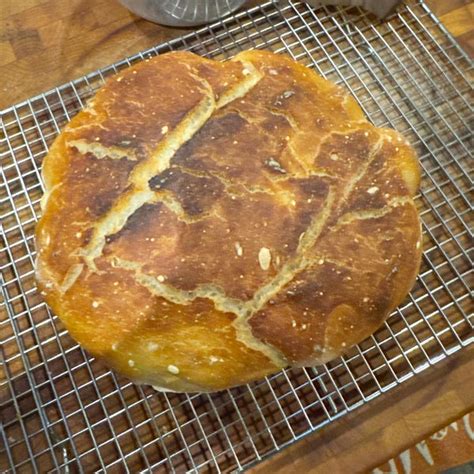
Beyond the Loaf: Using Discard Wisely
Minimizing discard is great, but when you do have it, don’t let it go to waste! Sourdough discard is excellent for a myriad of quick, delicious recipes that don’t require an active starter.
Whip up pancakes, waffles, crackers, tortillas, or even quick breads and muffins. These recipes are often fast to make and require minimal fuss, making them perfect for busy homesteaders wanting to maximize every resource.
![Easy Sourdough Discard Pancakes [Quick AND Fluffy] · Growing Dawn](/images/aHR0cHM6Ly90czQubW0uYmluZy5uZXQvdGg/aWQ9T0lQLnZaOEtHSFg4LTZ0dlluOFZFZERyOVFIYUo0JnBpZD0xNS4x.webp)
Embrace the Sourdough Journey
Integrating sourdough into your busy homesteader life doesn’t have to be a daunting task. By simplifying your routine, understanding your starter’s needs, and being flexible, you can consistently enjoy the unparalleled satisfaction of homemade sourdough bread. It’s a journey of connection, resilience, and delicious rewards that truly complements the homesteading spirit.