



How do you preserve summer garden tomatoes for winter sauces?
As summer peaks and your garden overflows with ripe, juicy tomatoes, the thought of their vibrant flavor fading with the season can be disheartening. Fear not! Preserving these sun-kissed gems is a rewarding process that allows you to enjoy the taste of summer sunshine in your winter sauces, stews, and chilis. With a few proven techniques, you can stock your pantry and freezer with the building blocks for countless delicious meals.
Why Preserve Your Tomatoes?
Preserving tomatoes is not just about extending their shelf life; it’s about capturing their peak flavor and nutritional value. Store-bought canned tomatoes, while convenient, often lack the depth and sweetness of homegrown varieties. By preserving your own, you control the ingredients, avoid unwanted additives, and savor the authentic taste of your labor.
Method 1: Canning Tomatoes for the Pantry
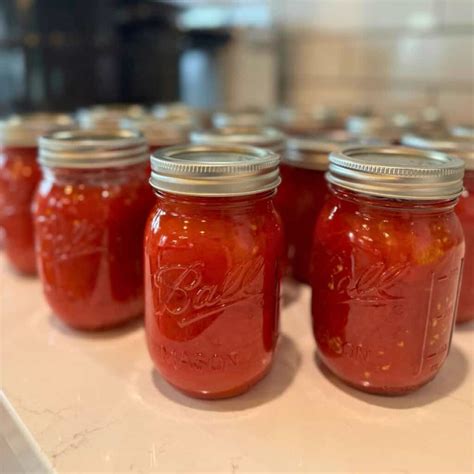
Canning is a time-honored method that creates shelf-stable jars of tomatoes, perfect for long-term storage without refrigeration. It involves processing tomatoes in a water bath canner, ensuring a safe product.
- Preparation: Wash tomatoes thoroughly. You can can them whole, halved, crushed, or as a sauce. Many recipes call for blanching and peeling first.
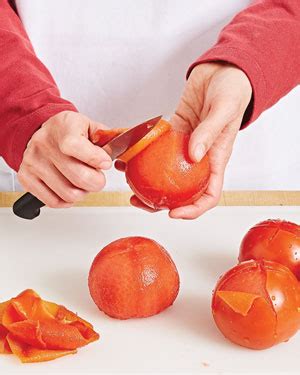
- Blanching & Peeling: Briefly dip tomatoes in boiling water (30-60 seconds), then transfer to an ice bath. The skins will slip off easily. Remove cores.
- Packing: Pack prepared tomatoes into clean, hot canning jars. Add a tablespoon of lemon juice or 1/2 teaspoon of citric acid per quart jar (half for pint jars) to ensure proper acidity for water bath canning.
- Processing: Fill jars, leaving headspace, and remove air bubbles. Wipe rims, apply lids and bands, then process in a boiling water canner for the time specified by a tested recipe, adjusted for altitude.
Method 2: Freezing Tomatoes for Convenience
Freezing is arguably the easiest and least labor-intensive method for preserving tomatoes. It’s fantastic for those who want quick access to tomatoes for cooking without the canning process.
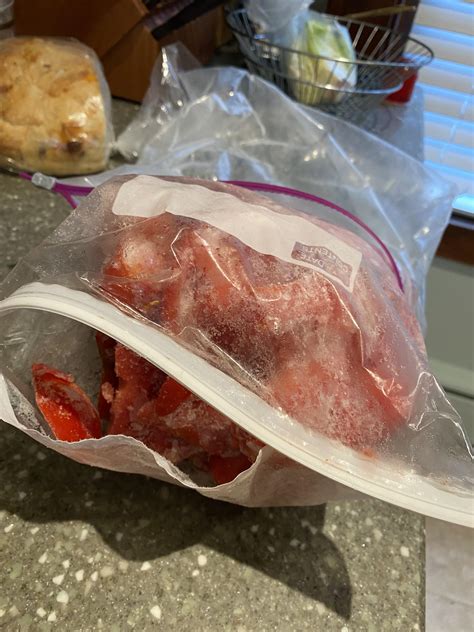
- Whole Tomatoes: Wash and dry whole tomatoes. Place them on a baking sheet in a single layer to freeze solid. Once frozen, transfer them to freezer-safe bags or containers. When ready to use, simply run warm water over a frozen tomato, and the skin will slip right off.
- Diced or Crushed: For diced or crushed tomatoes, blanch and peel first (as for canning), then chop or crush. Pack into freezer bags, removing as much air as possible, or into freezer-safe containers. Label with the date.
- Tomato Puree/Sauce: Cook down fresh tomatoes into a basic sauce or puree. Cool completely, then portion into freezer bags or containers. This is excellent for pre-made soup bases or pasta sauces.
Method 3: Dehydrating for Concentrated Flavor
Dehydrating tomatoes concentrates their flavor, making them ideal for sun-dried tomato dishes, grinding into powder, or rehydrating for sauces. This method removes most of the moisture, preventing spoilage.
- Preparation: Wash tomatoes and slice them 1/4 to 1/2 inch thick. Smaller varieties can be halved.
- Dehydration: Arrange slices in a single layer on dehydrator trays or baking sheets if using an oven. Set your dehydrator to 125-135°F (52-57°C) or your oven to its lowest setting with the door slightly ajar.
- Drying Time: Drying can take 8-16 hours or more, depending on thickness and humidity. Tomatoes are done when they are leathery but pliable, with no soft spots.
- Storage: Store cooled dried tomatoes in airtight containers in a cool, dark place. For longer storage, you can freeze them or pack them in olive oil (ensure they are fully submerged).

Crafting Your Winter Sauces
Once preserved, your tomatoes are ready to become the star of countless winter dishes. Frozen whole tomatoes are perfect for dropping into simmering stews or roasts. Canned crushed tomatoes form an excellent base for marinara or pizza sauce. Dehydrated tomatoes can be rehydrated in warm water or broth, then blended into pestos, added to casseroles, or ground into a potent tomato powder.
Essential Tips for Success
- Choose Wisely: Use ripe, blemish-free tomatoes. Paste tomatoes (like Roma) are excellent for sauces due to their lower water content, but any flavorful garden tomato will work.
- Sanitation is Key: Always work with clean hands, utensils, and surfaces. When canning, sterilize jars and lids according to best practices.
- Follow Tested Recipes: Especially for canning, always use recipes from trusted sources (e.g., USDA, university extensions) to ensure safety.
- Label and Date: Clearly label all your preserved goods with the date and contents to avoid guesswork later on.
By investing a little time and effort during the summer harvest, you can enjoy the unparalleled taste of garden-fresh tomatoes all year round. These preserved treasures will elevate your winter cooking, reminding you of sunny days and bountiful harvests with every delicious bite of homemade sauce.