


Prevent mushy home-canned green beans? Tips for crisp garden produce.
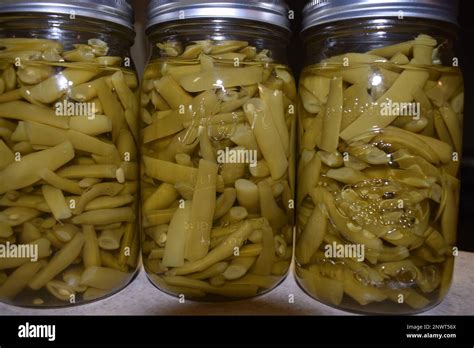
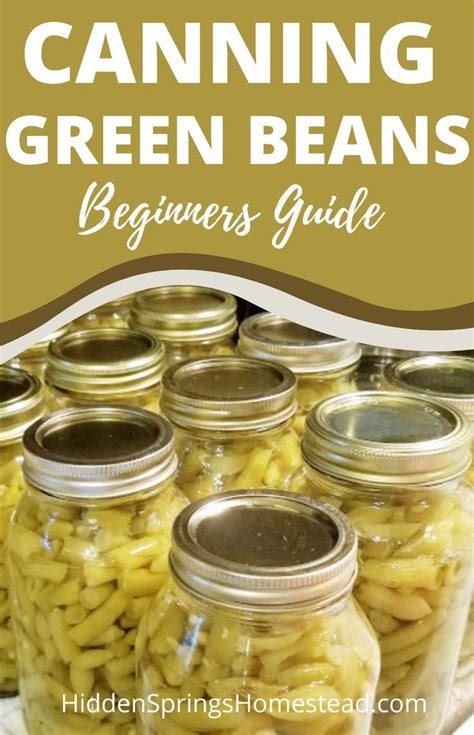
There’s nothing quite like the satisfaction of opening a jar of home-canned vegetables, especially when they come straight from your garden. However, that satisfaction can quickly turn to disappointment if your once-vibrant green beans emerge from the jar as a mushy, unappetizing mess. Achieving that satisfying snap requires more than just filling jars; it involves a series of critical steps from harvest to sealing. Let’s delve into the secrets of preventing mushy green beans and ensuring your home-canned produce maintains its delightful crispness.
Start with the Best: Quality and Variety
The journey to crisp home-canned green beans begins before they even leave the garden. The quality and type of bean you choose significantly impact the final texture. Opt for varieties specifically bred for canning, as some heirloom or fresh-eating varieties may naturally be softer.
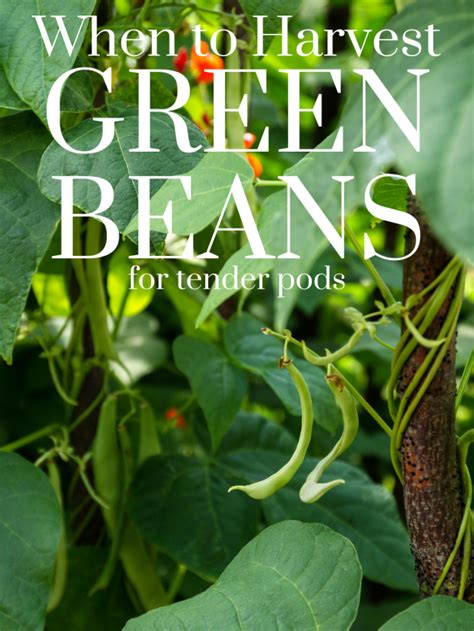
- Harvest Young & Tender: Pick green beans when they are young, tender, and snap easily. Overly mature beans with prominent seeds tend to become mushy during processing.
- Process Immediately: The fresher the bean, the better. Try to can your green beans within a few hours of harvesting. If you must store them, refrigerate for no more than 24 hours. Freshness directly translates to crispness.
The Critical Role of Preparation
Proper preparation is key to locking in texture before the canning process even begins.
- Thorough Cleaning: Wash beans thoroughly under cold running water. Snap off the ends and remove any strings.
- Blanching (Optional but Recommended): While not strictly required for safety with green beans, a brief blanch can help maintain color and texture. Dip beans in boiling water for 2-3 minutes, then immediately transfer them to an ice bath to stop the cooking process. This thermal shock helps set their crispness.
- Avoid Overfilling: Do not pack jars too tightly. Overpacking can inhibit proper heat circulation during processing, leading to uneven cooking and potential mushiness.
Mastering the Canning Process
The actual canning method is where many common mistakes occur, leading to soft beans.
Jar Preparation and Packing
Whether you choose a raw pack or a hot pack method, attention to detail is crucial.
- Hot Pack Method: Blanch beans for 2-5 minutes, then pack hot beans into hot jars, leaving 1-inch headspace. Cover with hot boiling water (or cooking liquid from blanching), maintaining the 1-inch headspace. This is often preferred for a firmer finished product.
- Raw Pack Method: Pack raw beans tightly into hot jars, leaving 1-inch headspace. Cover with boiling water, again maintaining the 1-inch headspace. Raw packing can sometimes result in more liquid loss and a slightly softer texture initially, but for some, it’s a time-saver.
- Proper Headspace: Always leave 1-inch headspace to allow for expansion during processing and proper seal formation. Too little headspace can lead to seal failures, and too much can cause food to darken.
The Pressure Canning Advantage
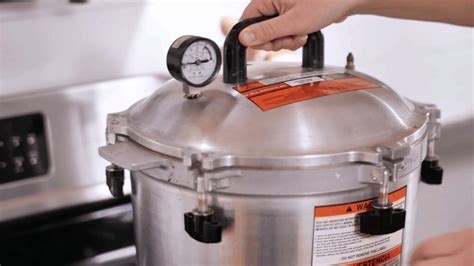
Green beans are a low-acid food and MUST be processed in a pressure canner to ensure safety and prevent botulism. Water bath canning is NOT safe for green beans.
- Accurate Processing Times: Follow tested recipes from reputable sources like the USDA Complete Guide to Home Canning. Over-processing is a leading cause of mushy vegetables. Do not guess or deviate from recommended times and pressures.
- Maintain Consistent Pressure: Once the canner reaches the correct pressure (adjusted for altitude), maintain it steadily throughout the processing time. Fluctuations can affect the texture and safety of your food.
- Cooling Correctly: Allow the canner to depressurize naturally. Do not rush the cooling process by opening the vent or cooling with water, as this can cause siphoning, liquid loss, and a softer product.
Beyond Green Beans: General Tips for Crisp Produce
These principles extend to other garden vegetables you wish to preserve with integrity:
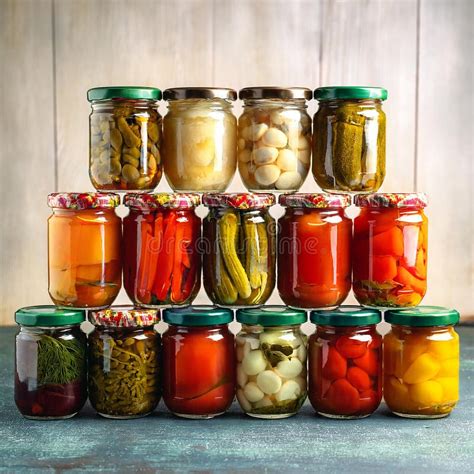
- Pickling: For cucumbers and other vegetables intended for pickling, consider adding a grape leaf or a pinch of pickling lime (calcium chloride) to jars. The tannins in grape leaves and the calcium in pickling lime help maintain crispness, but ensure proper rinsing if using pickling lime.
- Freshness is Universal: Always prioritize canning the freshest produce possible, regardless of the vegetable.
- Variety Matters: Research varieties known for their canning stability and firmness.
Conclusion: Enjoying Your Hard Work
Preventing mushy home-canned green beans is a skill honed with practice and attention to detail. By starting with fresh, quality produce, preparing it carefully, and meticulously following tested pressure canning guidelines, you can ensure your hard work in the garden and kitchen results in jars of perfectly crisp, delicious green beans. There’s immense satisfaction in hearing that satisfying snap and knowing you’ve preserved the taste of summer for months to come.