



Simplest ways to teach kids homesteading chores & build family teamwork?

Why Involve Kids in Homesteading Chores?
Homesteading isn’t just about self-sufficiency; it’s a lifestyle rich with opportunities for growth and connection. Involving children in daily chores from a young age offers invaluable benefits far beyond just getting tasks done. It teaches responsibility, instills a strong work ethic, develops practical life skills, and most importantly, strengthens family bonds through shared purpose and accomplishment. Rather than seeing it as an extra burden, consider it an investment in their character and your family’s unity.
Age-Appropriate Chores: Starting Small and Simple
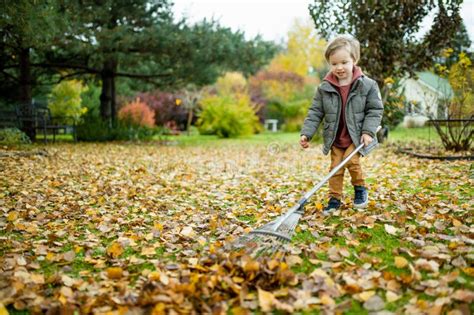
The key to success is matching tasks to a child’s age and developmental stage. What might seem like a chore to an adult can be an exciting adventure for a child if presented correctly. Here’s a general guide:
Toddlers (2-4 years)
- Feeding chickens: With supervision, letting them toss feed can be a huge thrill.
- Watering plants: A small watering can for garden beds or indoor plants.
- Collecting eggs: Gentle handling and the excitement of discovery.
- Picking berries: Simple harvesting of low-hanging fruit.
Young Children (5-8 years)
- Weeding: Assign a small, manageable section of the garden.
- Harvesting vegetables: Teaching them what’s ripe and how to pick.
- Composting: Tossing food scraps into the compost bin.
- Animal care: Refilling waterers, brushing animals (under supervision).
- Simple food prep: Washing vegetables, stirring ingredients.
Pre-teens & Teenagers (9+ years)
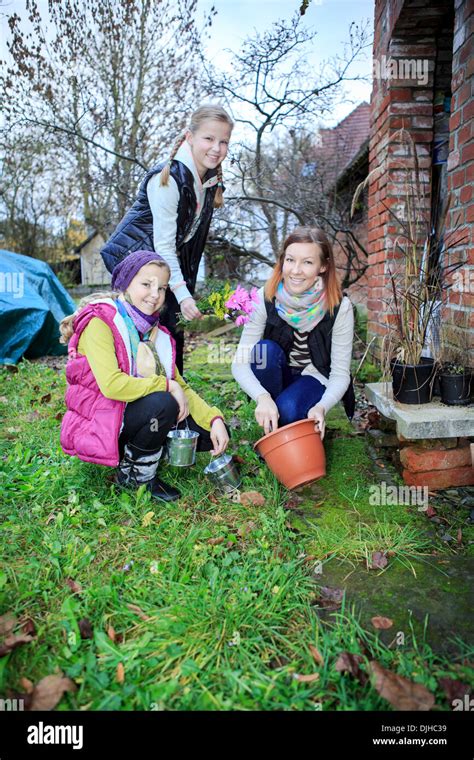
- Larger garden tasks: Planting seeds, transplanting, trellising.
- Animal husbandry: Mucking stalls, milking, moving animals to pasture.
- Home maintenance: Chopping firewood, basic repairs, fencing.
- Food preservation: Canning, dehydrating, freezing produce.
- Planning & record-keeping: Helping with garden planning, tracking animal production.
Making Chores Fun and Engaging
Transforming chores from dreaded tasks into enjoyable activities is crucial. Here are some strategies:
- Gamify it: Turn chores into games. Who can pick the most weeds in five minutes? Can we beat the clock to finish harvesting?
- Storytelling: Create narratives around the chores. You’re not just weeding; you’re rescuing your tomato plants from evil invaders!
- Sing songs: Many simple work songs can make repetitive tasks feel lighter.
- Incentives (non-monetary): A special treat after a big job, extra playtime, or choosing the family movie night.
- Let them choose: Offer a choice of chores, giving them a sense of control and ownership.
- Show appreciation: Acknowledge their effort and contribution with genuine praise.

Building Family Teamwork Through Shared Work
Homesteading naturally lends itself to teamwork, but you can amplify this by intentionally fostering a collaborative spirit:
Work Together, Side-by-Side
Instead of assigning chores and walking away, work alongside your children, especially when they are younger. This models the behavior, provides immediate guidance, and turns work into quality family time. Talk, laugh, and share stories while you work.
Communicate and Plan Together
Hold family meetings to discuss weekly or daily chore lists. Let children contribute to the planning process. Ask for their ideas on how to approach a task or make it more efficient. This gives them a voice and investment in the outcome.

Rotate Roles and Teach New Skills
Don’t always assign the same person to the same chore. Rotate responsibilities so everyone learns different aspects of homesteading. Use these opportunities to teach new skills explicitly, explaining the ‘why’ behind each task. This builds competency and reduces monotony.
Celebrate Successes
When a big project is completed or a harvest comes in, celebrate it as a family effort. Share the fruits (literally!) of your labor during meals, highlighting how everyone contributed. This reinforces the idea that their efforts lead to tangible rewards for the whole family.

Overcoming Challenges
It won’t always be smooth sailing. Expect resistance, mistakes, and moments of frustration. When these occur, approach them with patience and understanding. Reiterate the importance of their contribution, offer help, and remember that consistent effort and a positive attitude from parents are contagious. By simplifying tasks, making them enjoyable, and emphasizing the communal benefit, homesteading chores become a powerful tool for developing capable, responsible children and a cohesive, resilient family unit.