




Real food: How to adapt vintage recipes with garden produce & pantry basics?
There’s a unique allure to vintage recipes – a whisper of history, comfort, and time-honored techniques. They often evoke memories of simpler times and hearty, wholesome meals. However, bringing these culinary gems into the modern kitchen can sometimes pose a challenge. Ingredients may be hard to find, measurements outdated, or nutritional profiles not quite align with contemporary health goals. The good news? With a little creativity and a focus on ‘real food’ principles, you can transform these classic dishes using fresh garden produce and readily available pantry basics, making them not just relevant, but vibrant and delicious for today’s table.
Why Adapt, Not Just Recreate?
Adapting vintage recipes goes beyond mere recreation; it’s about evolution. This approach offers several compelling benefits:
- Sustainability: By utilizing seasonal garden produce, you reduce your carbon footprint and support local food systems (even if your ‘local’ is your own backyard).
- Enhanced Nutrition: Many older recipes are high in fats, sugars, and refined ingredients. Swapping in fresh vegetables, whole grains, and lean proteins can significantly boost their nutritional value.
- Cost-Effectiveness: Making the most of what’s in your garden and pantry minimizes trips to the grocery store and reduces food waste.
- Creative Freedom: It allows you to experiment, personalize dishes, and put your own signature on culinary heritage, ensuring these recipes live on.
Deciphering the Past: Understanding Vintage Recipe Quirks
Before you start swapping, it’s helpful to understand the common characteristics of vintage recipes. You might encounter:
- Vague Measurements: “A knob of butter,” “flour until stiff,” or “cook until done” might require some interpretation and intuition.
- Uncommon Ingredients: Certain fats (like lard or suet), specific cuts of meat, or even heirloom varieties of vegetables might be mentioned.
- Emphasis on Preservation: Canning, pickling, and long-cooking methods were often central.
- Higher Fat/Sugar Content: Before modern nutritional guidelines, richness was often prioritized.
Don’t be daunted! These quirks are part of their charm and provide opportunities for clever adaptation.
The Pillars of Adaptation: Garden & Pantry
Maximize Your Garden Harvest
Your garden (or local farmer’s market) is your primary resource. Think seasonally and creatively:
- Swap for Freshness: If a recipe calls for canned peas, use fresh shelled peas from your garden. If it mentions spinach, consider Swiss chard or kale if that’s what’s abundant.
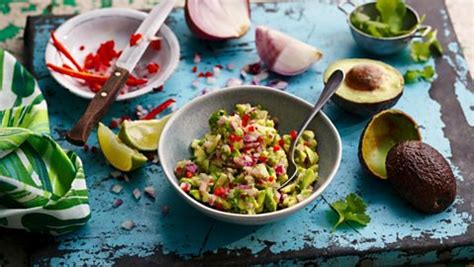
- Bulk Up with Veggies: Many savory dishes can be extended and made more nutritious by adding extra vegetables. A casserole can easily accommodate extra zucchini, tomatoes, or bell peppers.
- Herb Power: Fresh herbs from your garden can elevate any dish, adding bright, complex flavors that processed dried herbs often lack.
Leverage Your Pantry Staples
Your pantry is the backbone of your kitchen. These basics are key to bridging the gap between vintage and modern:
- Whole Grains: Replace white flour with whole wheat, spelt, or oat flour in baked goods. Use brown rice or quinoa instead of white rice.
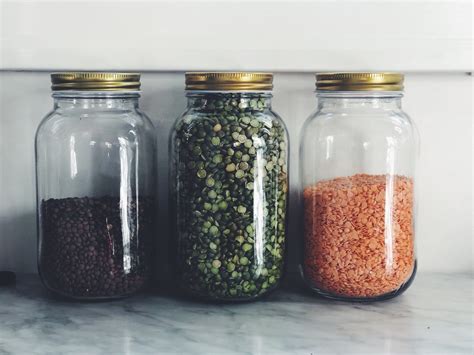
- Legumes & Pulses: Canned or dried beans, lentils, and chickpeas can add protein and fiber to stews, soups, and even meat-heavy dishes.
- Healthy Fats: Olive oil, avocado oil, or butter (in moderation) can replace less healthy fats.
- Vinegars & Ferments: Apple cider vinegar, red wine vinegar, or homemade ferments add depth and a probiotic boost.
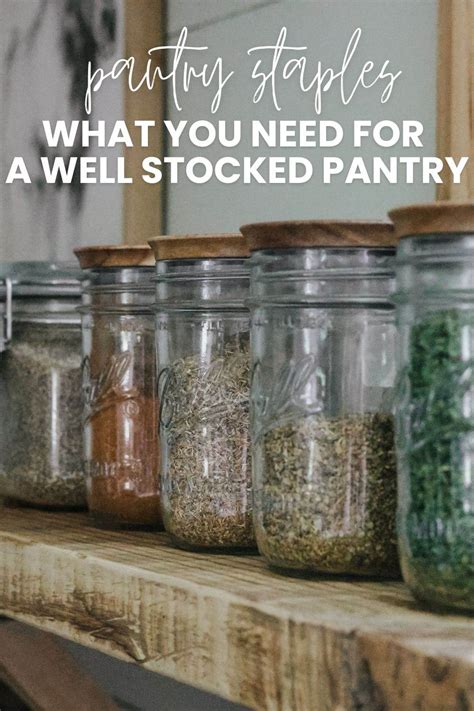
- Spices & Seasonings: A well-stocked spice rack is invaluable for adjusting flavors.

A Step-by-Step Guide to Modernizing a Classic
- Choose Your Vintage Gem: Select a recipe that genuinely excites you.
- Deconstruct the Original: Read through the entire recipe. Identify key ingredients, cooking methods, and potential areas for swaps.
- Identify Garden Opportunities: What in your garden is ready? Can you swap out a vegetable, add fresh herbs, or use homemade preserves?
- Integrate Pantry Solutions: Are there healthier grain alternatives? Can you replace a fatty ingredient with a leaner protein or a plant-based option? Think about reducing sugar and salt, using spices for flavor instead.
- Adjust Techniques: Consider modern cooking methods. Can a slow-cooked dish be adapted for an Instant Pot? Can a baked good benefit from a lighter hand with fats or sweeteners?
- Taste and Tweak: This is crucial! As you cook, taste regularly and adjust seasonings. Sometimes a splash of vinegar, a pinch more salt, or fresh lemon zest can make all the difference.

Embrace the Experiment
Adapting vintage recipes is an art, not an exact science. Don’t be afraid to experiment. Your first attempt might not be perfect, but each culinary adventure builds your intuition and skill. Keep a cooking journal to note successful swaps, ingredient ratios, and flavor combinations. Over time, you’ll develop a knack for transforming old-world charm into modern, healthful, and incredibly satisfying ‘real food’ meals that celebrate both tradition and innovation.
Conclusion
Reimagining vintage recipes with your garden’s bounty and pantry’s treasures is a profoundly rewarding experience. It connects you to culinary history while fostering a sustainable, healthy, and creative approach to cooking. So, dust off those old cookbooks, step into your garden, and unleash your inner culinary innovator – your taste buds, your family, and the planet will thank you.