

Best way to turn kitchen scraps into rich compost for the garden?
Unlocking Your Garden’s Potential with Kitchen Scrap Compost
Transforming kitchen waste into garden gold is one of the most rewarding practices for any home gardener. Not only does it divert valuable organic material from landfills, but it also creates a free, nutrient-rich soil amendment that boosts plant health, improves soil structure, and reduces the need for chemical fertilizers. But with various methods available, what’s truly the best way to turn your fruit peels, vegetable trimmings, and coffee grounds into thriving garden soil?

The Core Ingredients: Greens and Browns from Your Kitchen
Successful composting hinges on a balanced mix of “greens” (nitrogen-rich materials) and “browns” (carbon-rich materials). For kitchen scraps, your greens primarily consist of:
- Fruit and vegetable peels/scraps
- Coffee grounds and tea bags
- Eggshells (crushed)
- Leftover cooked grains (in moderation)
While many kitchen scraps are greens, you’ll need to supplement with browns from your garden or household, such as dry leaves, shredded newspaper, cardboard, or wood chips, to achieve the ideal carbon-to-nitrogen ratio (roughly 25-30:1). Avoid composting meat, dairy, oily foods, and diseased plants, as these can attract pests and create foul odors.
Choosing Your Composting Method
1. Traditional Composting Pile or Bin
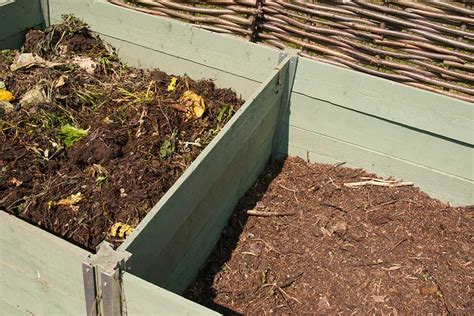
This is the classic approach. You simply layer greens and browns in a dedicated spot in your yard or a purpose-built compost bin. Piles are easy to start but can be slower and might attract pests if not managed well. Bins, whether enclosed plastic, wire mesh, or wooden, offer better containment and heat retention.
- Pros: Simple, handles large volumes, low cost.
- Cons: Can be slow (cold composting), requires space, needs turning.
2. Compost Tumblers
Tumblers are sealed, rotating bins designed for faster composting. Their main advantage is easy aeration – just give them a spin every few days. This frequent turning helps break down materials more quickly and can generate higher temperatures, accelerating the decomposition process.
- Pros: Faster decomposition (hot composting), pest-resistant, easy turning, contained.
- Cons: Limited capacity, can be more expensive than basic bins.
3. Vermicomposting (Worm Composting)
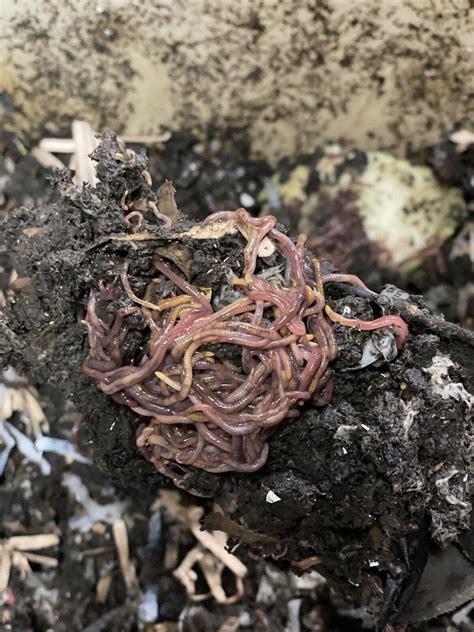
For smaller households or those with limited outdoor space, vermicomposting is an excellent option. Red wiggler worms do all the work, converting kitchen scraps into nutrient-rich worm castings. Worm bins can be kept indoors or outdoors in shaded areas.
- Pros: Ideal for small spaces, produces nutrient-dense castings, great for specific scraps (no citrus/onions in large amounts).
- Cons: Can be delicate (temperature sensitive), specific food requirements for worms, slower for large volumes.
4. Bokashi Composting
Bokashi isn’t traditional composting but a fermentation process. Kitchen scraps, including meat and dairy, are layered with a special inoculant (bran fermented with beneficial microbes) in an airtight bucket. After a couple of weeks, the fermented material is then buried in the garden or added to a traditional compost pile for final breakdown. It’s a great pre-treatment method.
- Pros: Ferments a wider range of food scraps, eliminates odors, quick initial process.
- Cons: Requires specific bokashi bran, two-step process, doesn’t produce finished compost directly.

The ‘Best’ Way: A Personalized Approach
Ultimately, the “best” way to turn kitchen scraps into rich compost depends on your circumstances:
- For large gardens and ample space: A combination of a traditional compost pile/bin for garden waste and a dedicated kitchen scrap tumbler for faster processing might be ideal.
- For smaller spaces or apartment dwellers: Vermicomposting or a Bokashi system paired with a community compost drop-off is often the most practical.
- For maximum efficiency and speed: A well-managed compost tumbler or a hot composting bin that you actively turn and monitor will yield results fastest.
Regardless of the method, remember these golden rules: maintain a good balance of greens and browns, keep the pile moist but not soggy, and ensure good aeration. Chopping scraps into smaller pieces also significantly speeds up decomposition.
Enjoying Your Garden’s Bounty
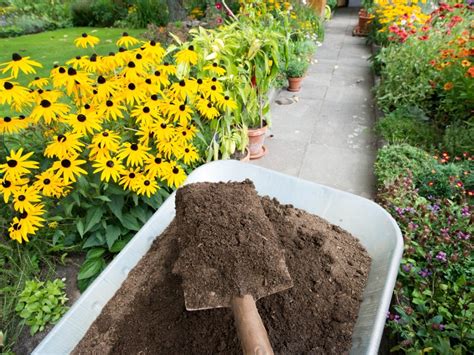
Once your compost is dark, crumbly, and smells like fresh earth, it’s ready! Spread it around your plants as a top dressing, mix it into new garden beds, or use it to enrich potting mixes. The benefits—healthier plants, improved soil structure, better water retention, and reduced waste—make the effort of composting truly worthwhile. Start small, experiment, and watch your kitchen scraps transform into a cornerstone of a thriving garden ecosystem.