


Best natural ways to tenderize tough cuts of beef for country stews?

Unlocking Tenderness: Natural Ways to Transform Tough Beef for Hearty Stews
Country stews are beloved for their rich flavors and comforting warmth, often featuring more economical, tougher cuts of beef like chuck, round, or short rib. While these cuts are packed with flavor, they require a little extra help to become melt-in-your-mouth tender. Fortunately, you don’t need fancy equipment or artificial additives. Nature offers a bounty of simple, effective ways to break down tough muscle fibers and connective tissue, ensuring your stew beef is always succulent and tender.

Mechanical and Pre-Cooking Techniques
Sometimes, the tenderizing process begins even before you start cooking:
- Pounding or Malleting: For slightly thinner cuts or stew pieces, a meat mallet can physically break down muscle fibers, making them more pliable. Just be careful not to overdo it and turn the meat to mush.
- Scoring: Making shallow cuts against the grain can help break down fibers and allow marinades to penetrate deeper, accelerating the tenderizing process.
- Browning First: While not a tenderizer itself, searing the beef before stewing creates a flavorful crust (Maillard reaction) and helps seal in juices, contributing to a more enjoyable texture.
Enzymatic Tenderizers: Nature’s Secret Weapons
Certain natural ingredients contain enzymes that actively break down proteins in meat, leading to increased tenderness. Use these with caution, as leaving meat in enzymatic marinades for too long can result in a mushy texture.
- Fruits (Pineapple, Papaya, Kiwi): These fruits contain powerful enzymes (bromelain in pineapple, papain in papaya, actinidin in kiwi). A small amount of juice or a few slices in a marinade for a short period (30 minutes to a couple of hours) can work wonders. Be mindful of their strong flavors.
- Ginger: Fresh ginger contains a proteolytic enzyme that can gently break down proteins. Grated ginger is an excellent addition to marinades, especially for Asian-inspired stews.
- Dairy (Yogurt, Buttermilk): Lactic acid and enzymes in dairy products like plain yogurt or buttermilk gently tenderize while adding a creamy tang. Marinate for a few hours or even overnight. This is particularly effective for larger cuts.

Acidic Tenderizers: Breaking Down Collagen
Acids help break down tough collagen and connective tissue, resulting in more tender meat. They also add flavor and help marinades penetrate.
- Vinegars and Citrus Juices: Apple cider vinegar, red wine vinegar, balsamic vinegar, lemon juice, or lime juice are excellent choices. They add a bright note and gently break down fibers. Use in marinades or directly in the braising liquid.
- Wine and Beer: The acidity and phenols in wine (especially red wine) and the enzymes in beer contribute to tenderizing while adding depth of flavor. These are common ingredients in traditional stew recipes for a reason.
- Tomatoes and Tomato Paste: The natural acidity of tomatoes helps to break down tough fibers during slow cooking. Tomato paste also adds umami and richness to your stew base.
Salt and Brining: The Osmotic Effect
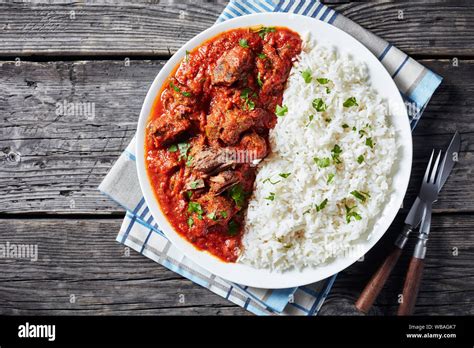
Salt is more than just a seasoning; it’s a powerful tenderizer. It works by drawing out moisture and then allowing the meat to reabsorb it along with the salt, breaking down muscle proteins in the process.
- Dry Brining (Salting): Generously salt your beef pieces 1-2 hours or even overnight before cooking. The salt draws out moisture, then creates a brine that is reabsorbed, leading to juicier, more tender meat.
- Wet Brining: While more common for poultry, a wet brine (salt dissolved in water, often with herbs and spices) can also tenderize beef by allowing it to absorb moisture and salt.
The Magic of Slow, Moist Heat
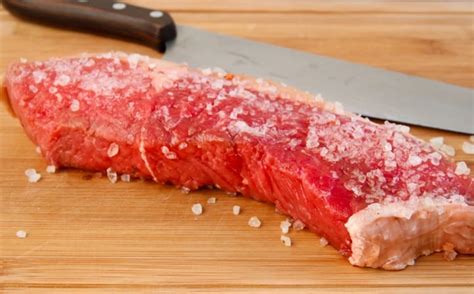
Ultimately, for tough cuts destined for stew, the most potent tenderizer is time combined with moist heat. Slow cooking at a low temperature, submerged in liquid, allows collagen to slowly melt into gelatin. This transformation is what makes tough cuts incredibly tender and adds a luxurious mouthfeel to your stew.
- Low and Slow: Cook your stew at a gentle simmer, whether on the stovetop, in the oven, or in a slow cooker. Avoid vigorous boiling, which can make meat tough.
- Adequate Liquid: Ensure the beef is partially or fully submerged in broth, wine, or water to facilitate the breakdown of connective tissues.
- Patience is Key: Don’t rush the process. Depending on the cut and size, tenderizing can take anywhere from 2 to 4 hours or even longer for very tough cuts. The meat should be easily pierced with a fork when done.
Bringing It All Together for the Perfect Stew
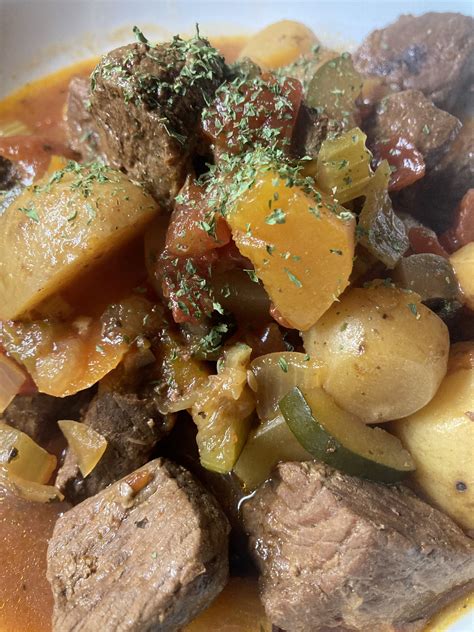
For the best results, consider combining several of these natural methods. A marinade featuring an acidic component (vinegar, wine) and perhaps a touch of an enzymatic tenderizer (yogurt, ginger) followed by thorough salting and then a long, slow cook in a flavorful liquid, will guarantee wonderfully tender beef every time. Experiment with these techniques to discover your favorite combinations and elevate your country stews to new levels of deliciousness.