


Easy backyard composting for kitchen scraps & garden health?

Are you looking for a simple, sustainable way to reduce waste, enrich your garden soil, and contribute to a healthier environment? Backyard composting is an incredibly rewarding practice that transforms everyday kitchen scraps and garden refuse into a nutrient-dense, dark, crumbly soil amendment often referred to as ‘black gold.’ It’s easier than you might think, and the benefits for your garden are immense.
Why Compost in Your Backyard?
Composting is nature’s recycling system. Instead of sending organic waste to landfills where it produces harmful methane gas, you can harness its power right in your backyard. The finished compost acts as a superb soil conditioner, improving soil structure, water retention, and aeration. This means healthier roots, stronger plants, and a vibrant garden that’s more resilient to pests and diseases.
For your kitchen, composting diverts food waste like fruit and vegetable peels, coffee grounds, and eggshells from the trash, significantly reducing your household’s waste footprint. For your garden, it provides a free, natural fertilizer, teeming with beneficial microorganisms that feed your plants and enhance overall soil fertility, reducing the need for chemical fertilizers.
Getting Started: Choosing Your Composting Method
The beauty of backyard composting is its flexibility. You can choose a method that best suits your space and lifestyle. Common options include:
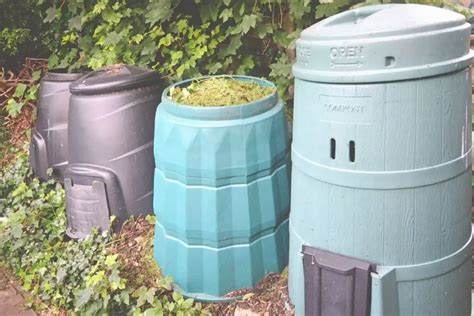
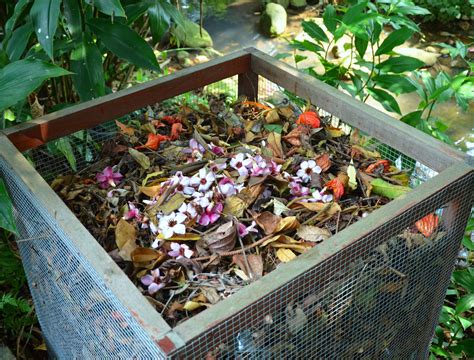
- Compost Bins: These are enclosed structures, often made of plastic or wood, that keep the pile tidy and can deter pests. Tumbler composters are popular for their ease of turning.
- Compost Piles/Heaps: For larger yards, a simple open pile in a designated corner works well. They can be contained by wire mesh or pallets.
- Worm Composting (Vermicomposting): An excellent option for smaller spaces or indoor use, where red wigglers do the work of breaking down food scraps into rich worm castings.
Regardless of the method, choose a shaded, well-drained spot in your yard, away from your house, for your compost system.
The Perfect Recipe: Greens and Browns
A successful compost pile needs a balanced mix of ‘greens’ and ‘browns.’ Think of it like a recipe for healthy soil:
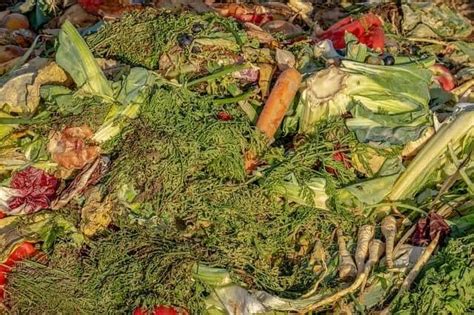
- Greens (Nitrogen-rich): These provide moisture and nitrogen, which fuels decomposition. Examples include kitchen scraps (fruit/vegetable peels, coffee grounds, tea bags), fresh grass clippings, and plant trimmings.
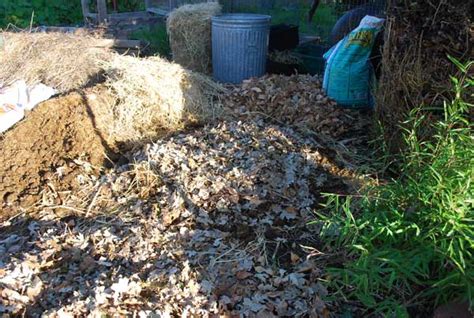
- Browns (Carbon-rich): These provide bulk, aeration, and carbon, preventing the pile from becoming slimy and smelly. Examples include dry leaves, straw, wood chips, shredded newspaper, and cardboard.
Aim for a ratio of roughly 2-3 parts browns to 1 part greens. Chop larger materials into smaller pieces to speed up decomposition. Remember to never compost meat, dairy, oily foods, diseased plants, or pet waste, as these can attract pests and introduce pathogens.
Maintaining Your Compost Pile for Optimal Health
Once your pile is built, a little maintenance goes a long way. The key elements are moisture and aeration:
- Moisture: Your compost pile should be consistently damp, like a wrung-out sponge. If it’s too dry, decomposition will slow down; if too wet, it can become anaerobic and smelly. Add water if dry, or more browns if too wet.
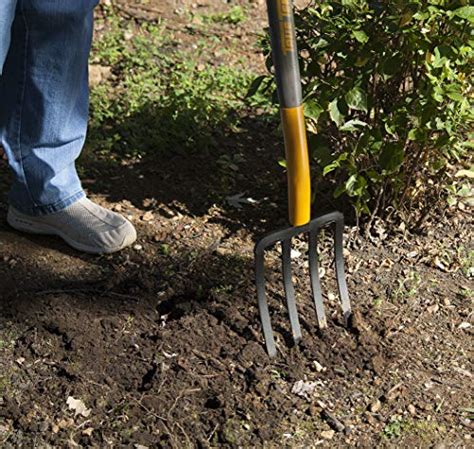
- Aeration (Turning): Regularly turning your compost pile (once a week or every few weeks, depending on the system) introduces oxygen, which is crucial for the beneficial aerobic bacteria that break down organic matter. Turning also helps mix materials and distribute moisture evenly.
A well-maintained pile will heat up in the center, indicating active decomposition. You’ll notice steam on cool mornings!
Harvesting and Using Your ‘Black Gold’
You’ll know your compost is ready when it’s dark brown, crumbly, smells earthy and sweet, and you can no longer recognize the original materials. Depending on your method and maintenance, this can take anywhere from a few months to a year. Many compost bins allow you to harvest finished compost from the bottom while adding new materials to the top.
Once ready, your black gold can be used in countless ways:
- Soil Amendment: Mix it into garden beds and raised beds before planting.
- Top Dressing: Spread a layer around existing plants, shrubs, and trees.
- Potting Mix: Blend it with soil for container plants (typically 1 part compost to 3 parts soil).
- Lawn Care: Use it to top-dress your lawn, improving turf health.
Start Composting Today!
Easy backyard composting is a powerful tool for any home gardener looking to foster a healthier, more vibrant garden while significantly reducing household waste. With a little initial setup and ongoing care, you’ll be amazed at how quickly your kitchen scraps and garden debris transform into a valuable resource. Dive in and enjoy the rewards of nourishing your soil the natural way!