



How to create nutrient-rich compost for a thriving backyard vegetable garden?
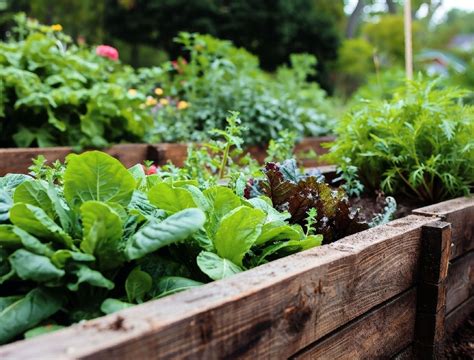
A thriving vegetable garden starts with healthy soil, and there’s no better way to enrich your soil naturally than with nutrient-rich compost. Composting is an age-old practice that transforms organic waste into a dark, crumbly, and earth-smelling treasure – often called ‘black gold’ – that provides essential nutrients, improves soil structure, and boosts microbial life. If you’re looking to cultivate a backyard garden that truly flourishes, mastering the art of composting is your most valuable skill.
Why Compost is Your Garden’s Best Friend
Compost isn’t just a fertilizer; it’s a holistic soil conditioner. It introduces a slow-release supply of nutrients, reducing the need for chemical fertilizers. Furthermore, compost improves soil structure, making heavy clay soils more workable and sandy soils better at retaining moisture and nutrients. It also acts as a buffer, helping to stabilize soil pH and suppress plant diseases by fostering a healthy microbial ecosystem. Ultimately, compost leads to stronger, more productive plants that are more resistant to pests and environmental stresses.
Understanding the Golden Ratio: Greens and Browns
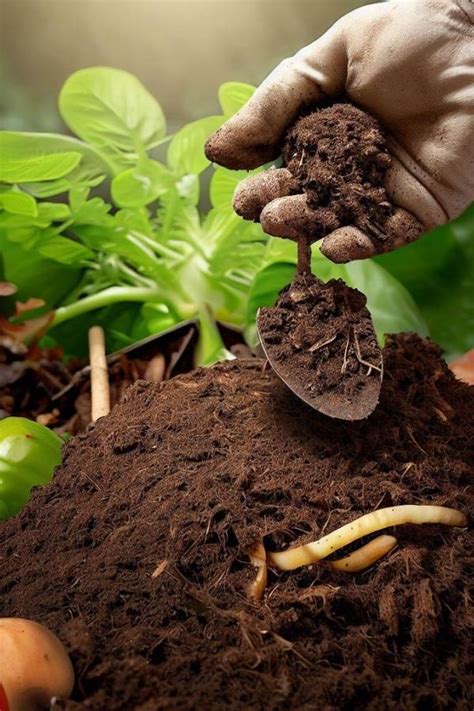
Successful composting relies on a balanced mix of ‘green’ (nitrogen-rich) and ‘brown’ (carbon-rich) materials. The ideal ratio is roughly 2-3 parts brown to 1 part green, by volume. This balance is crucial for microorganisms to efficiently break down the materials.
What are “Greens”?
- Vegetable and fruit scraps (from the kitchen)
- Coffee grounds and tea bags
- Fresh grass clippings
- Weeds (non-seeding)
- Manure (from herbivores like chickens, cows, horses – aged if possible)
What are “Browns”?
- Dried leaves
- Straw or hay
- Wood chips or sawdust (in moderation)
- Shredded newspaper or cardboard (non-glossy)
- Small twigs
What NOT to Compost
While most organic materials can be composted, some items should be avoided to prevent pests, pathogens, and unpleasant odors:
- Meat, bones, fish, dairy products, and oily foods (attract pests, cause odors)
- Diseased plants (can spread pathogens)
- Weeds with seeds (can spread weeds)
- Pet waste (can contain harmful pathogens)
- Chemically treated wood or sawdust
- Glossy paper or magazines
Building Your Compost Pile
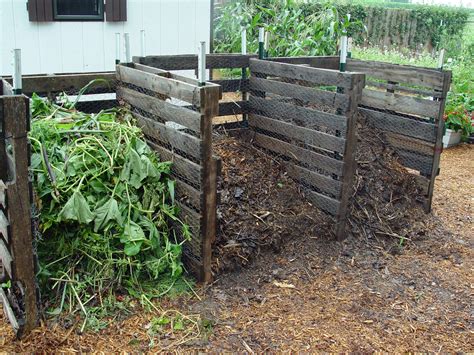
You can create a compost pile directly on the ground, use a simple bin made from pallets, or invest in a ready-made compost tumbler or bin. Regardless of your choice, pick a location that’s well-drained, partially shaded, and accessible for adding materials and turning. Start by laying a base layer of coarse brown materials (like small branches or straw) for good air circulation. Then, begin layering your greens and browns, wetting each layer as you go, much like making a lasagna.

Maintaining Your Compost for Optimal Decomposition
Once your pile is built, ongoing maintenance is key to speed up decomposition:
- Moisture: Your compost pile should be consistently moist, like a wrung-out sponge. If it’s too dry, decomposition slows; too wet, it becomes anaerobic and smelly. Water it during dry spells.
- Aeration: The microorganisms need oxygen. Turn your pile regularly – ideally once a week or every two weeks – with a pitchfork or compost aerator. This introduces air and mixes the materials, ensuring even decomposition.
- Size: Chop or shred larger materials into smaller pieces (no more than 1-2 inches) before adding them to accelerate breakdown.
When is Your Compost Ready?
Finished compost will be dark brown or black, crumbly, and have an earthy smell. You shouldn’t be able to distinguish the original materials anymore, except for perhaps a few stubborn twigs. Depending on the materials used, pile size, and turning frequency, this process can take anywhere from two months to a year. A well-maintained, hot compost pile (one that heats up significantly due to microbial activity) will be ready faster.
How to Use Your Nutrient-Rich Compost
Once your compost is ready, it’s time to put that black gold to work in your garden:
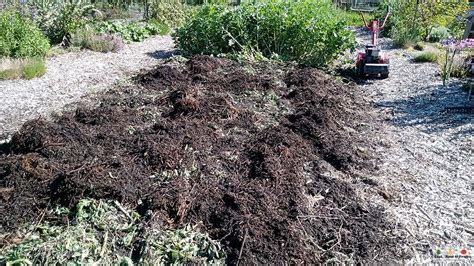
- Soil Amendment: Incorporate a 2-4 inch layer into new or existing garden beds before planting.
- Top Dressing: Spread a thin layer (1/2 to 1 inch) around the base of established plants or over lawns.
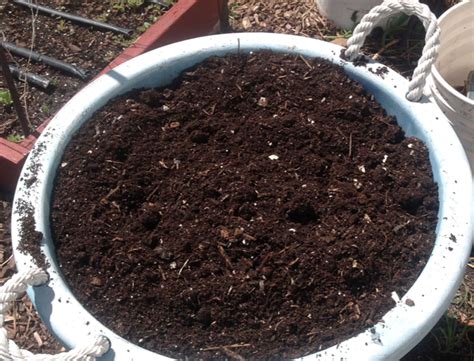
- Potting Mix: Mix compost with regular potting soil (up to 25-50% compost) for nutrient-boosted container plants.
- Seed Starting: Screen finer compost to mix with vermiculite or peat moss for an excellent seed-starting medium.
Creating your own nutrient-rich compost is one of the most rewarding and sustainable practices for any gardener. It not only reduces household waste but also transforms your backyard into a vibrant, productive oasis without relying on synthetic inputs. Start your compost journey today, and watch your vegetable garden thrive like never before!