


Simple DIY solution for drafty old farmhouse windows?
Embrace Comfort: Tackling Drafty Farmhouse Windows with DIY Solutions
Old farmhouse windows possess an undeniable charm, a testament to craftsmanship and history. However, their beauty often comes with a common challenge: drafts. These sneaky air leaks can make your home uncomfortably cold in winter and surprisingly warm in summer, leading to higher energy bills. While full window replacement can be a costly and daunting undertaking, there are many simple, budget-friendly DIY solutions you can implement to significantly reduce drafts and improve your home’s energy efficiency and comfort.
Why Are Farmhouse Windows Prone to Drafts?
The reasons behind drafty old windows are typically straightforward. Over decades, wooden frames can shrink, paint can chip, and original sealants can degrade, creating tiny gaps and cracks. Sash windows, common in older homes, often have worn-out tracks or gaps around their movable parts. These imperfections, though small, create pathways for air to leak in and out, compromising your home’s indoor climate.
Effective DIY Strategies to Seal Those Leaks
1. Clean and Inspect Thoroughly
Before you apply any sealant or weatherstripping, a thorough cleaning and inspection are crucial. Use a stiff brush or a putty knife to remove old caulk, paint chips, and debris from around the window frame, sills, and sashes. Once clean, carefully inspect every inch for visible cracks, gaps, or areas where the window frame meets the wall. A lit candle or incense stick can help you pinpoint air leaks; if the flame flickers or smoke wavers, you’ve found a draft.
2. Caulk Away Gaps
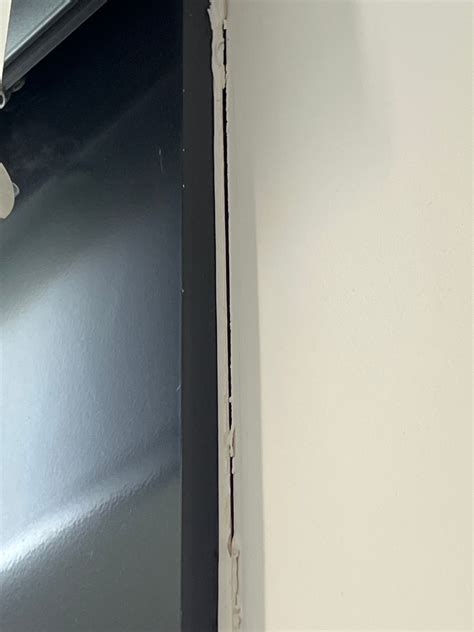
Caulking is your first line of defense against stationary drafts. Choose an exterior-grade, paintable caulk for outdoor applications (where the window frame meets the siding) and an interior-grade, flexible caulk for inside the home (around the trim). Apply a thin, consistent bead of caulk to all non-moving gaps and cracks. Smooth it with a wet finger or a caulking tool for a professional finish. This simple step can make a dramatic difference.
3. Install Weatherstripping
For moving parts of your windows, like the sashes of double-hung windows, weatherstripping is essential. There are several types:
- Self-Adhesive Foam Tape: Easy to apply, good for minor gaps. Stick it to the top, bottom, and sides of the sash where it meets the frame.
- V-Strip (Spring Bronze or Vinyl): More durable and discreet, these strips create a seal as the window closes. They are tucked into the jambs and around the sash.
- Tubular Gaskets: Excellent for larger, irregular gaps, providing a compressible seal.
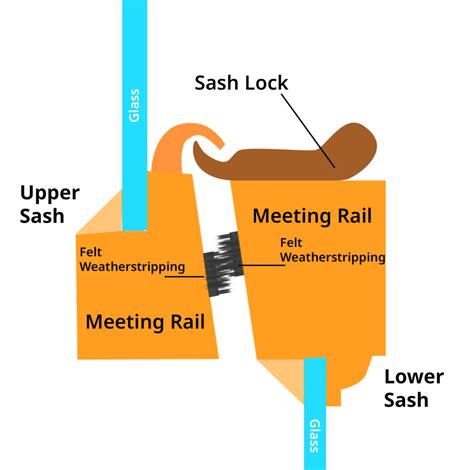
Measure carefully and apply weatherstripping to the meeting rails (where the sashes meet in the middle), the sides of the sashes, and the bottom sill to create a tight seal when the window is closed.
4. Embrace Window Film Kits
For a temporary but highly effective winter solution, consider shrink-wrap window insulation kits. These plastic films are applied to the interior frame of your window using double-sided tape and then shrunk taut with a hairdryer. They create an insulating air pocket between the window pane and your room, dramatically reducing heat loss and drafts. They are inexpensive and easy to remove when spring arrives.

5. Drape with Insulating Curtains or Roman Shades
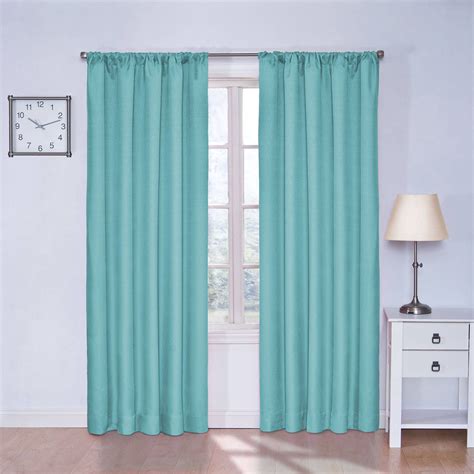
While not a direct seal, heavy, thermal-lined curtains or insulated Roman shades can act as an additional barrier against drafts and heat transfer. When drawn, they add a layer of insulation, keeping warm air in during winter and blocking intense sun in summer. This is an aesthetic and functional upgrade that complements other sealing efforts.
6. Create or Buy Draft Snakes
For drafts coming from the very bottom of the window, a simple fabric draft snake (a tube of fabric filled with rice, sand, or batting) can be placed along the sill. These are easy to DIY and can be customized to match your decor.
Beyond the Quick Fix: When to Consider More
While these DIY solutions are excellent for immediate and noticeable improvements, be aware that severely deteriorated windows might eventually require more extensive restoration or replacement. However, for most old farmhouse windows, these simple steps can significantly extend their lifespan, enhance your comfort, and save you money on energy bills for years to come, all while preserving the historic character of your home.
Conclusion
Don’t let drafty windows diminish the joy of your old farmhouse. With a few hours of effort and minimal investment, you can transform chilly, leaky windows into cozy, energy-efficient assets. By systematically addressing gaps with caulk, sealing moving parts with weatherstripping, and adding layers of insulation, you’ll not only enjoy a more comfortable home but also appreciate the satisfaction of a job well done.