



How do we involve kids in real food meal prep without chaos?
Setting the Stage: Why and How to Prepare
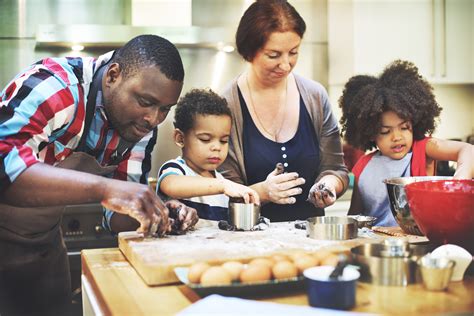
Inviting children into the kitchen for meal prep is a fantastic way to teach valuable life skills, encourage healthy eating habits, and create lasting family memories. However, the thought of adding tiny hands to an already bustling kitchen can conjure images of flour explosions and overturned bowls. The good news is that with a bit of planning and a shift in perspective, you can transform meal prep into a fun, educational, and relatively chaos-free experience for everyone.
The key isn’t to eliminate mess entirely – after all, a little mess is part of the creative process – but to manage expectations and implement strategies that make the experience enjoyable and productive. Start by choosing the right recipes and the right mindset. Simple, wholesome dishes with manageable steps are ideal for beginners, and a calm, patient attitude from adults is essential.

Age-Appropriate Tasks: From Toddlers to Teens
Understanding what tasks are suitable for different age groups is crucial for success and safety. Over-challenging a child can lead to frustration, while under-challenging can lead to boredom.
- Toddlers (2-3 years): Simple tasks like washing vegetables (with supervision), tearing lettuce, stirring ingredients in a bowl, mashing soft foods (like bananas or avocados), or handing you utensils.
- Preschoolers (4-5 years): Can graduate to spreading sauces, counting ingredients, measuring dry ingredients, cutting soft foods with a butter knife or child-safe knife (like bananas, berries), and pressing cookie cutters.
- Early Elementary (6-8 years): With supervision, they can peel vegetables with a peeler, crack eggs, measure liquids, whisk, grate cheese, and use a paring knife for simpler cuts.
- Late Elementary (9-11 years): Can learn to follow recipes more independently, chop vegetables with supervision, knead dough, sauté ingredients, and use the microwave safely.
- Teens (12+ years): Capable of cooking entire dishes with minimal supervision, following complex recipes, understanding cooking temperatures, and even contributing to meal planning.

Strategies for a Smooth Experience
Minimizing chaos comes down to thoughtful preparation and clear boundaries. Here are some actionable tips:
- Choose Your Moment: Avoid involving kids when you’re stressed or in a rush. Pick a time when you can relax and focus on the process, not just the outcome. Weekends or slower evenings are often best.
- Mise en Place is Your Friend: Before inviting your little helpers, get all ingredients measured, washed, and prepped as much as possible. This prevents downtime and keeps momentum going.
- Assign Specific Jobs: Give each child a clear, simple task. “You wash the potatoes, you stir the batter.” This prevents arguments over who does what and keeps everyone engaged.
- Safety First, Always: Review kitchen safety rules before starting. Teach proper knife handling, emphasize hand washing, and discuss hot surfaces. Provide step stools for easy reach.
- Embrace the Imperfect: The goal is participation and learning, not perfection. A wobbly cut carrot or a slightly lopsided cookie is a badge of honor for a child.

Embracing the Mess and Making it Fun
Despite your best efforts, messes will happen. Instead of dreading them, integrate cleanup into the process and make the entire experience enjoyable.
- Prepare for the Mess: Lay down newspaper or a washable mat. Have sponges and towels readily available. Dress kids in aprons or old clothes.
- Involve Them in Cleanup: Just as they help with prep, involve them in wiping counters, sweeping floors, and putting away dishes. This teaches responsibility and completes the cooking cycle.
- Turn it into a Game: “Who can count the most carrots?” “Let’s see who can stir the fastest!” A little playfulness can make mundane tasks exciting.
- Taste Testing: Encourage them to taste ingredients along the way. This engages their senses and helps them understand how flavors build.
- Celebrate Their Contributions: Acknowledge their hard work. “This meal tastes extra good because you helped!” Positive reinforcement is incredibly powerful.

The Long-Term Payoff
While involving kids in meal prep might initially take more time and patience, the benefits far outweigh the temporary challenges. Children who cook are more likely to try new foods, understand nutrition, and develop independence and confidence in the kitchen. They also gain a deeper appreciation for where their food comes from and the effort involved in preparing a meal.
By making cooking a regular, positive family activity, you’re not just creating dinner; you’re cultivating healthy habits, practical skills, and cherished memories that will last a lifetime. So, don’t shy away from inviting your little ones to join the culinary adventure. With a little planning and a lot of love, you can turn meal prep into a joyful, chaos-managed family affair.