


How to preserve summer garden bounty into easy real food recipes for homemade winter meals?
Embrace the Abundance: Why Preserve Your Summer Harvest?
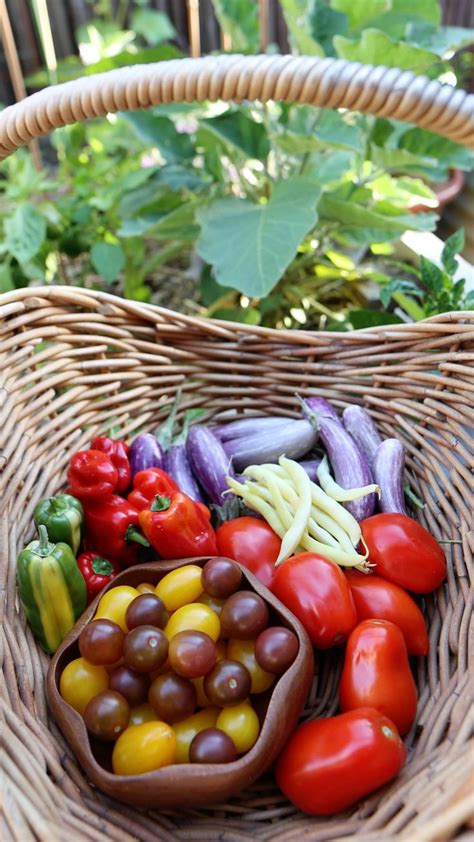
The vibrant energy of a summer garden is truly a sight to behold, bursting with ripe tomatoes, crisp beans, sweet berries, and fragrant herbs. But as the days shorten and temperatures drop, the garden’s prolific output wanes. The good news? You can capture that peak freshness and intense flavor to enjoy throughout the colder months. Preserving your summer bounty is not only a fulfilling culinary endeavor but also a fantastic way to ensure your family enjoys nutrient-dense, real food meals, free from artificial additives, all winter long.
Imagine a cold January evening, pulling a jar of sun-ripened tomato sauce from your pantry or a bag of garden-fresh corn from your freezer. These preserved treasures become the foundation for incredibly flavorful, wholesome dishes that nourish both body and soul. This guide will walk you through popular preservation techniques and inspire you with easy, real food recipes to transform your stored goods into comforting winter meals.
Tried-and-True Preservation Methods for Every Gardener
Choosing the right preservation method depends on the type of produce, your available equipment, and your family’s preferences. Here are the most common and effective ways to store your summer harvest:
Freezing: Simplicity and Versatility
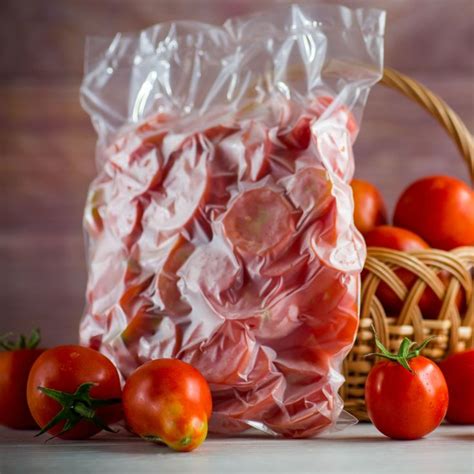
Freezing is arguably the easiest and most accessible method for most home gardeners. It requires minimal specialized equipment and preserves the texture and flavor of many vegetables and fruits exceptionally well. Blanching most vegetables before freezing is crucial to stop enzyme action and maintain color, flavor, and nutrients. Berries, chopped peppers, and herbs can often be frozen raw.
Canning: Shelf-Stable Goodness
Canning involves sealing food in airtight jars and heating them to a temperature that destroys spoilage-causing microorganisms. There are two primary types:
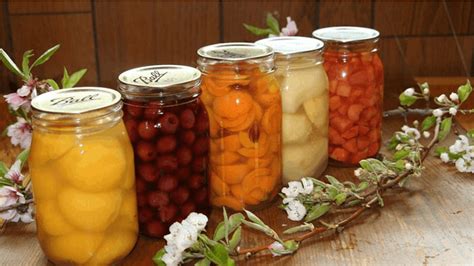
- Water Bath Canning: Ideal for high-acid foods like fruits, jams, jellies, pickles, and most tomato products.
- Pressure Canning: Essential for low-acid foods such as most vegetables (beans, corn, carrots), meats, and combination recipes like soups, to prevent botulism.
Dehydrating: Concentrated Flavor and Light Storage
Dehydration removes moisture from food, inhibiting microbial growth and concentrating flavors. It’s excellent for herbs, fruit leathers, sun-dried tomatoes, and even vegetables like kale or zucchini for chips or soup mixes. A food dehydrator or even a low oven can be used.
Fermenting: Probiotic Powerhouse
Fermentation uses beneficial bacteria to transform fresh produce into tangy, probiotic-rich foods like sauerkraut, kimchi, and lacto-fermented pickles. This method not only preserves but also enhances nutritional value and digestive health.
Essential Tools for Your Preservation Journey
While some methods are quite simple, having the right tools can make your preservation efforts more efficient and successful:
- For Freezing: Freezer-safe bags (zip-top or vacuum seal bags), freezer containers, a blanching pot. A vacuum sealer is an excellent investment for extending freezer life.
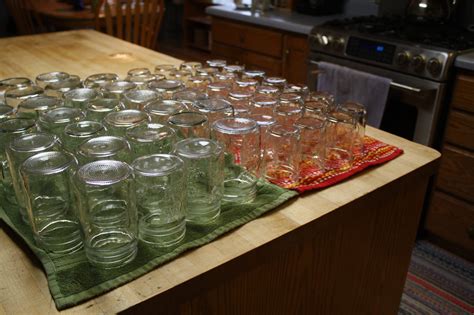
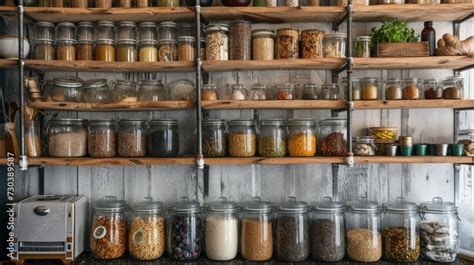
- For Canning: Canning jars (mason jars), new lids and bands, a water bath canner with rack, a pressure canner (if processing low-acid foods), jar lifter, canning funnel, headspace tool, bubble remover.
- For Dehydrating: A food dehydrator with multiple trays, or oven racks if using your oven.
- For Fermenting: Glass jars with tight-fitting lids or fermentation crocks, weights to keep food submerged, airlocks (optional).
Transforming Your Bounty: Easy Real Food Winter Recipes
Once your pantry and freezer are stocked, the real fun begins! Here are some ideas for turning your preserved goods into delicious, homemade winter meals:
Hearty Soups and Stews
- Tomato Soup/Sauce: Use your canned tomatoes or frozen tomato puree as the base for rich soups, pasta sauces, or chili. Add frozen corn, green beans, or peppers for extra bulk.
- Vegetable Stock: Save scraps from your garden and freeze them. Once you have a good amount, simmer them for a flavorful homemade vegetable stock.
- Winter Squash & Apple Soup: Combine roasted winter squash (fresh or frozen from last year) with canned or frozen apples for a creamy, comforting soup.
Savory Sides and Main Dishes
- Pesto Power: Frozen pesto (made from summer basil) is perfect for pasta, spreading on sandwiches, or swirling into soups.
- Roasted Vegetable Medley: Toss frozen mixed vegetables (broccoli, carrots, peppers, onions) with olive oil and herbs, then roast for a quick, healthy side.
- Baked Fruit Crumble: Use canned fruit pie filling (peaches, apples, berries) or frozen fruit in crumbles, pies, or turnovers.
Tangy Accents and Flavor Boosters
- Fermented Kraut/Kimchi: Serve alongside roasted meats, in sandwiches, or as a vibrant side dish to add a probiotic kick.
- Pickled Green Beans/Okra: Excellent as a snack, on a charcuterie board, or chopped into salads.

Tips for Maximizing Your Preservation Efforts
- Plan Ahead: Know what you want to preserve and how you’ll use it. This helps prevent waste and ensures you have ingredients for specific recipes.
- Batch Cook: When you’re making a sauce or jam, make a large batch. It’s often not much more work to double or triple a recipe.
- Label Everything: Include the contents, date, and any special instructions (e.g., “peach pie filling”). This is crucial for food safety and organization.
- Rotate Your Stock: Use older preserved items first to ensure freshness and prevent spoilage.
- Don’t Be Afraid to Experiment: Start with simple recipes and methods, then gradually try new techniques as you gain confidence.

Enjoy the Fruits of Your Labor All Winter Long
Preserving your summer garden bounty into easy, real food recipes for homemade winter meals is a rewarding journey. It connects you more deeply with your food, reduces waste, and fills your pantry with wholesome, delicious ingredients. From the satisfying crunch of pickled green beans to the comforting warmth of a hearty tomato soup, you’ll savor the flavors of summer long after the snow falls. So roll up your sleeves, embrace the harvest, and prepare to enjoy a winter filled with your garden’s incredible gifts!