




How to involve kids in country living chores without constant nagging?
Making Chores a Natural Part of Rural Life
Country living offers a unique tapestry of experiences, from fresh air and open spaces to the hands-on realities of maintaining a home and land. For families, this often means a wider array of chores than urban living might present – think gardening, animal care, property maintenance, and more. The challenge, however, lies in integrating children into these tasks not as a burden, but as a natural and rewarding part of family life, all while sidestepping the dreaded cycle of constant nagging.
Getting kids to willingly participate in chores is a universal parenting goal, but in a rural setting, these tasks often carry greater weight, teaching valuable life skills and contributing directly to the family’s self-sufficiency. The key is to shift the dynamic from ‘having to’ to ‘wanting to’ or ‘needing to’ contribute.
Lead by Example and Make it Age-Appropriate
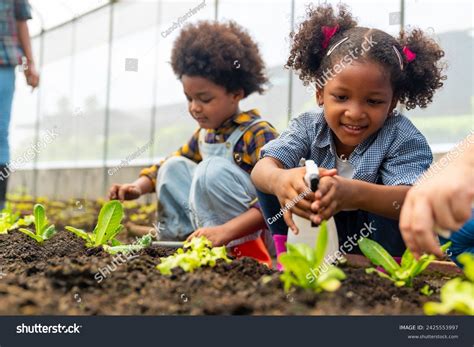
Children are natural imitators. When they see parents and older siblings actively engaged in chores with a positive attitude, they are far more likely to follow suit. Make it clear that these tasks are simply ‘what we do’ as a family, a shared responsibility rather than a punishment or an extra burden. Involve them in tasks you’re doing, even if it’s just fetching tools or holding a bag.
Crucially, ensure that the tasks assigned are appropriate for their age and developmental stage. A toddler can help gather small sticks, while a pre-teen might be responsible for feeding chickens or helping with garden weeding. Overly challenging tasks lead to frustration, while overly simple ones might seem trivial. Gradually increase responsibility as their skills and confidence grow.
Turn Chores into Games or Adventures
Gamification can be a powerful tool. Instead of saying, “Go pick up the garden tools,” try, “Let’s see who can find the most tools hiding in the garden!” or “Can you beat the clock to get the chicken coop cleaned?” Simple challenges, races, or scavenger hunts can transform mundane tasks into exciting missions. Younger children especially respond well to imaginative play – let them be a ‘farmhand’ or a ‘garden explorer.’
Another approach is to connect the chore directly to a reward, not as a bribe, but as a natural consequence. “Once the firewood is stacked, we’ll have a cozy fire tonight for s’mores.” or “When the garden beds are clear, we can plant those new seeds you picked out.” This helps them see the tangible benefits of their efforts.

Empower Through Choice and Routine
While some chores are non-negotiable, offering choices can give children a sense of control and ownership. “Would you prefer to help water the plants or collect the eggs today?” or “Do you want to stack the hay bales or help clean the stable first?” Even small choices can make a big difference in willingness.
Establishing a consistent routine is also vital. When chores are a predictable part of the day or week, they become less negotiable and more integrated into the family rhythm. A visual chore chart, especially one with pictures for non-readers, can be incredibly helpful for tracking responsibilities and celebrating completion.

Teach, Don’t Just Tell, and Praise the Effort
Country chores often require specific skills. Take the time to teach your children how to do tasks properly and safely. Show them how to safely use a rake, how to correctly identify weeds, or the proper way to feed an animal. Patience is key; it might take longer than doing it yourself, but the investment in teaching pays off in the long run.
When they complete a task, offer specific praise for their effort and contribution, not just the outcome. “I really appreciate how carefully you stacked that firewood – it looks great!” or “You worked so hard weeding the garden; thank you for helping our plants grow.” This positive reinforcement builds confidence and encourages future participation.
Fostering a Culture of Contribution
Involving kids in country living chores without constant nagging boils down to fostering a culture of contribution, responsibility, and teamwork. By leading by example, making tasks appropriate and engaging, offering choices, establishing routines, and focusing on teaching and positive reinforcement, you can transform chores from a battleground into a bonding experience. Ultimately, you’ll be raising capable, responsible individuals who understand the value of hard work and the satisfaction of contributing to their family and home.