



Keeping homemade real food fresh on a country road trip?
Embrace the Open Road with Fresh, Homemade Flavors
There’s nothing quite like the freedom of a country road trip – winding through scenic landscapes, discovering charming towns, and enjoying the journey at your own pace. And what enhances that experience more than savoring delicious, homemade real food along the way? The challenge, however, is keeping those culinary delights fresh and safe for the duration of your adventure. Fear not, with a bit of planning and the right tools, you can enjoy wholesome, pre-prepared meals without relying on roadside fast food.
Strategic Meal Planning and Preparation
The secret to fresh road trip food begins long before you hit the highway. Start by planning your meals, considering the length of your trip and your access to refrigeration. Focus on dishes that travel well and are less prone to spoilage. Think hearty sandwiches, pasta salads (with non-mayonnaise bases), roasted vegetables, hard-boiled eggs, cut fruit, and sturdy baked goods. Avoid highly perishable items like raw meats or dairy-heavy dishes if you lack reliable cooling.
Pre-preparation is key. Cook and cool all meals thoroughly before packing. Portion your food into individual servings or meal-sized batches using airtight containers. This minimizes exposure to air and makes grabbing a snack or meal effortless, reducing the need to rummage through your entire cooler. For items like sandwiches, keep wet ingredients (like tomatoes or lettuce) separate until just before eating to prevent sogginess.
Essential Gear for Temperature Control
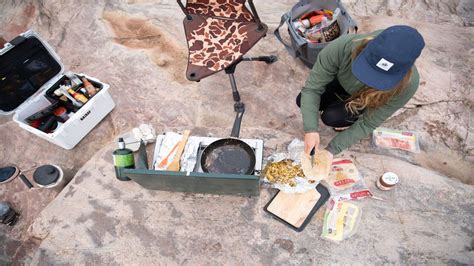
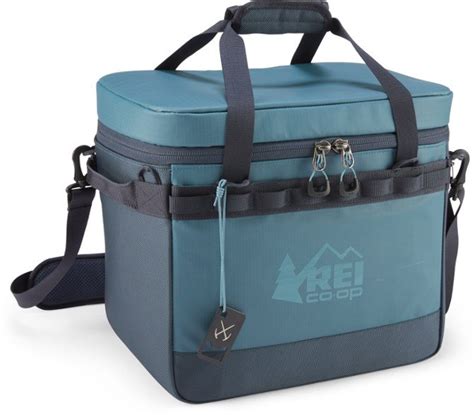
Your choice of cooling equipment is paramount. High-quality coolers are your best friend on a country road trip. Consider the type that best suits your needs:
- Passive Coolers: These rely solely on ice or ice packs. Opt for models with thick insulation and a tight-sealing lid. Pre-chill your cooler with sacrificial ice for several hours before packing your food.
- Electric Coolers (Thermoelectric): Plug into your car’s 12V outlet, these can keep items cool but generally don’t reach refrigerator temperatures. They are better for maintaining already cold food rather than actively chilling warm items.
- Compressor Coolers (Portable Refrigerators): The most effective, these run off 12V or AC power and act like a mini-fridge, capable of reaching and holding specific temperatures, even freezing. They are an investment but offer superior performance.
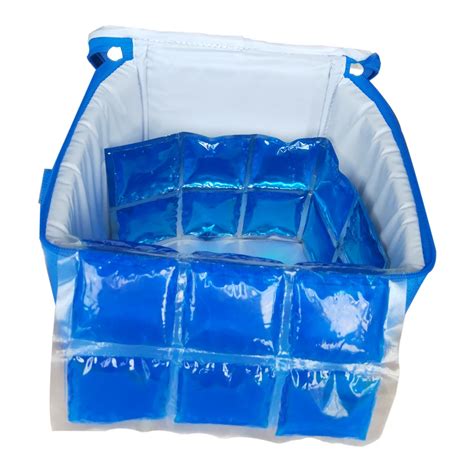
Beyond the cooler, stock up on reusable ice packs or frozen water bottles. These are cleaner than loose ice and prevent soggy food. A separate insulated bag for snacks or drinks you’ll access frequently can help keep your main cooler sealed and cold longer.
Smart Packing and Storage Techniques
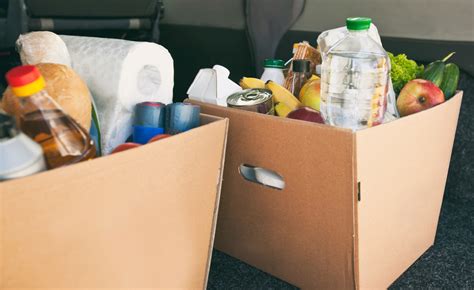
How you pack your cooler significantly impacts food freshness. Start with a layer of ice packs or frozen bottles at the bottom. Place items you need least often or those that are most sensitive to temperature (like cooked meats) on the bottom. Layer with a towel or barrier if using loose ice to prevent items from getting wet. Foods that can tolerate warmer temperatures, such as fruits and vegetables, can go on top.
Keep raw ingredients, especially any raw meat (though generally advised against for long trips), completely separate from cooked foods to prevent cross-contamination. Use sturdy, leak-proof containers for everything. As much as possible, keep your cooler out of direct sunlight in your vehicle. If possible, place it on the floor of the back seat or in the trunk, covered with a blanket for extra insulation.

Maintaining Freshness on the Go
Minimizing how often you open your cooler is crucial. Every time the lid is opened, cold air escapes, and warm air enters. Plan your stops and food access to reduce openings. When you do open it, be quick and efficient. If you’re on a multi-day trip, consider replenishing ice or refreezing ice packs at motels or rest stops. Always use clean hands or utensils when handling food to prevent bacterial contamination.
Pay attention to expiration dates and your gut feeling. If something smells off or looks suspicious, it’s always best to err on the side of caution and discard it. For perishable items, a general rule is to consume them within 2-4 hours if left unrefrigerated in warm conditions, but this window significantly extends within a well-maintained cooler.

Beyond the Basics: Adding Variety and Safety
While the focus is on keeping food fresh, remember to hydrate! Carry plenty of water, perhaps even a large insulated water jug. Consider bringing a small portable stove for heating up pre-cooked soups or making coffee if you plan extended stops away from amenities. Don’t forget basic hygiene essentials: hand sanitizer, wet wipes, and a small trash bag for waste.
Embracing homemade food on a road trip is not just about saving money; it’s about enjoying healthier, tastier meals tailored to your preferences, all while soaking in the beauty of the countryside. With smart preparation and diligent storage, your culinary journey can be as delightful as the scenery.