
How do I prevent soggy bottom pie crusts for homemade fruit pies?
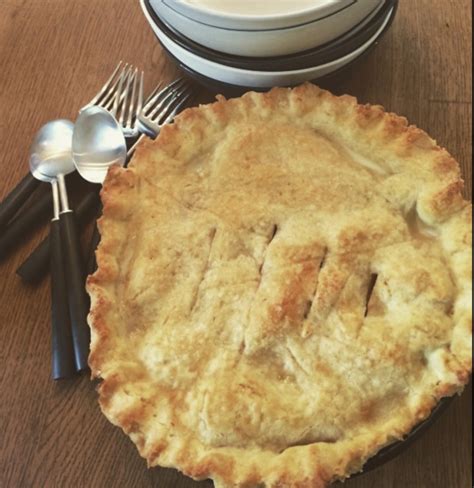
Few things are as disheartening as pulling a beautiful, golden-brown fruit pie from the oven, only to discover a soft, undercooked, and utterly soggy bottom crust. This common baking dilemma can ruin an otherwise perfect dessert. Fortunately, with a few expert techniques, you can banish the dreaded soggy bottom for good and enjoy perfectly crisp crusts every time you bake a homemade fruit pie.
The Science of Soggy Bottoms: Why It Happens
Soggy bottoms occur when the moisture from your fruit filling seeps into the uncooked bottom crust before it has a chance to fully cook and crisp up. As the pie bakes, the filling releases steam and juices. Without proper protection, this moisture is absorbed by the raw dough, turning it gummy instead of flaky. The goal is to create a barrier and ensure the crust cooks through quickly.
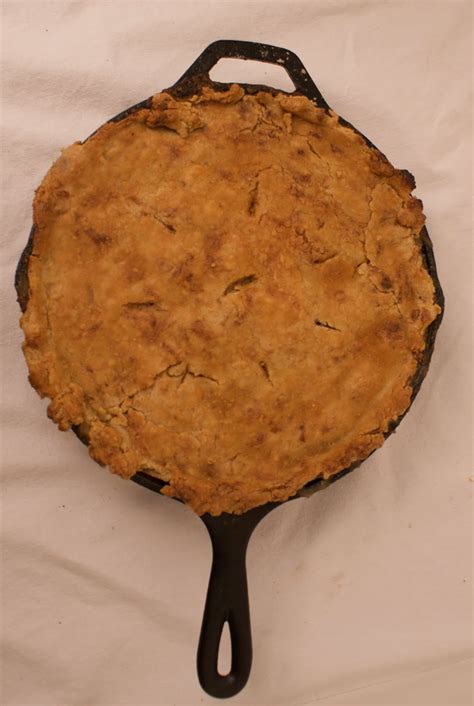
Blind Baking: The Essential Pre-Bake
Blind baking (or pre-baking) your pie crust is arguably the most crucial step in preventing a soggy bottom. This process partially cooks the crust before you add the filling, giving it a head start and strengthening its structure against moisture.
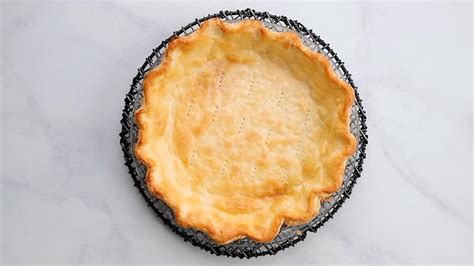
- Roll out your pie dough and fit it into your pie dish. Crimp the edges as desired.
- Chill the dough for at least 30 minutes. This helps prevent shrinkage.
- Prick the bottom all over with a fork to allow steam to escape.
- Line the chilled crust with parchment paper, allowing an overhang.
- Fill the parchment paper with pie weights, dried beans, or rice, ensuring they reach the top edges to support the sides.
Bake in a preheated oven (usually 375-400°F or 190-200°C) for 15-20 minutes, or until the edges are lightly golden. Remove the weights and parchment paper. Continue baking for another 5-10 minutes, or until the bottom is dry and slightly golden. Let it cool completely before filling.
Build a Barrier: Egg Wash or Crumb Layer
Even with blind baking, an extra layer of protection can make a big difference.
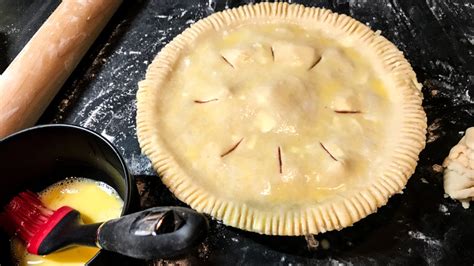
- Egg Wash: After blind baking (and removing the weights), brush the entire bottom and sides of the partially baked crust with a thin layer of beaten egg white or a whole egg wash. The egg proteins will cook and create a waterproof seal when baked again.
- Crumb Layer: Alternatively, sprinkle a thin layer of dry breadcrumbs, crushed cornflakes, or even a tablespoon of flour or semolina over the bottom of the partially baked crust before adding your filling. These ingredients will absorb any initial moisture released by the fruit, protecting the crust.
Tame the Juices: Prepare Your Fruit Filling Smartly
The wetter your filling, the higher the risk of a soggy bottom.
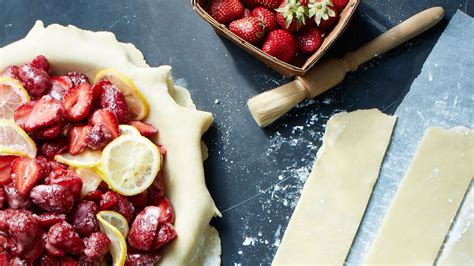
- Thickeners: Always use a thickener for fruit pies. Cornstarch, tapioca, arrowroot, or flour are common choices. Adjust the amount based on the juiciness of your fruit. For very juicy fruits, consider pre-cooking some of the fruit mixture to reduce moisture before adding it to the pie.
- Cool the Filling: If your recipe involves cooking the fruit filling first, ensure it’s completely cooled before pouring it into your pre-baked crust. Hot filling will immediately start to steam and soften the crust.
Optimize Baking: Heat and Time are Key
How you bake the pie is just as important as how you prepare it.
- Hot Oven Start: Begin baking your pie in a very hot oven (e.g., 425-450°F or 220-230°C) for the first 15-20 minutes. This rapid heat helps set the crust quickly and ensures it crisps up before the filling has a chance to thoroughly seep in. Reduce the temperature to finish baking (e.g., 375°F or 190°C) to prevent the top from burning.
- Preheated Baking Surface: Place your pie on a preheated baking sheet, pizza stone, or baking steel. The direct, intense heat from below will help cook the bottom crust faster and more thoroughly.
- Bake Until Golden: Don’t pull the pie out too soon. The bottom crust needs to be fully cooked, which often means the top is a deep golden brown and the filling is bubbling thickly. If the top crust is browning too quickly, loosely tent it with aluminum foil.
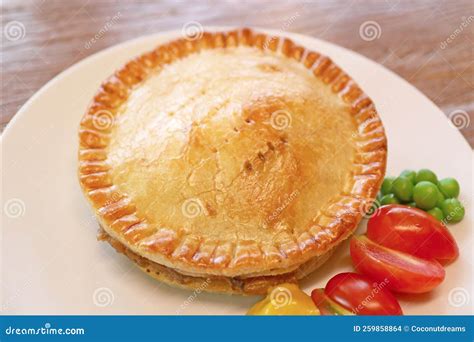
Enjoy Your Flaky Masterpiece
Preventing a soggy bottom pie crust is a combination of foresight and technique. By embracing blind baking, creating moisture barriers, thoughtfully preparing your fruit filling, and optimizing your baking process, you’ll consistently achieve that coveted crisp, flaky bottom crust. Say goodbye to disappointment and hello to perfect homemade fruit pies every time!