Achieving flaky homemade biscuits: what’s the secret to a tender crumb?
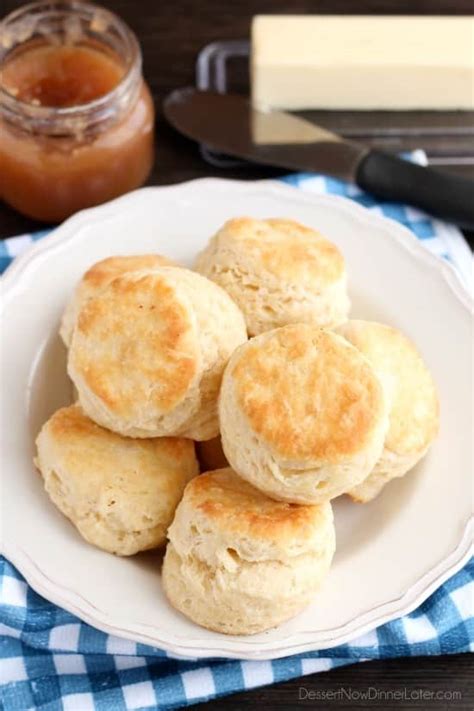
There’s nothing quite like a warm, flaky homemade biscuit, split open to reveal a tender, buttery interior. Yet, for many home bakers, achieving this idyllic perfection can feel like a culinary quest. Often, biscuits turn out tough, dense, or simply lacking that coveted light and airy texture. The good news? The secrets aren’t mystical; they’re rooted in a few fundamental baking principles that, once understood, will transform your biscuit-making game.
The Power of Cold Ingredients: Especially Butter
The number one rule for flaky biscuits starts with temperature, specifically, keeping your fat — typically butter — as cold as possible. When tiny pieces of cold butter hit a hot oven, the water content within them rapidly turns to steam. This steam creates small pockets and pushes the dough upwards, resulting in those characteristic layers and a light, airy texture. If your butter is too warm, it melts into the flour prematurely, leading to a denser, cake-like biscuit without the desired flakiness.

Handle with Care: The Minimal Touch Approach
Overworking biscuit dough is a common pitfall that can quickly lead to tough, chewy results. The more you mix and knead, the more gluten develops in the flour. While gluten is essential for structure in breads, too much of it in biscuits will make them firm rather than tender. The goal is to bring the ingredients together just until combined, with pockets of flour still visible. A light touch ensures the dough remains delicate and yields a wonderfully tender crumb.
Mastering the Layers: Folding and Stacking
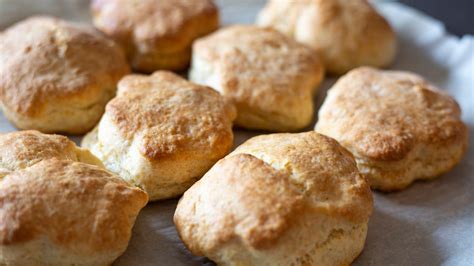
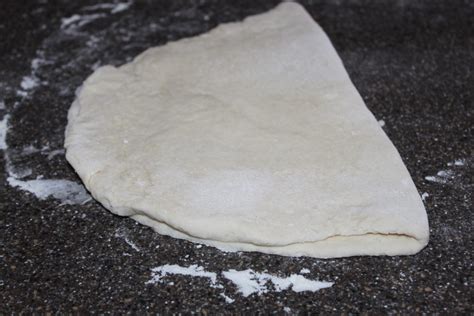
Beyond cold butter, how you assemble and shape your dough significantly contributes to flakiness. Techniques like folding the dough onto itself multiple times (lamination) or gently stacking cut pieces can create dozens of ultra-thin layers that separate beautifully during baking. Think of it like making puff pastry, but simplified. This layering technique traps steam more effectively, giving you those distinct, airy strata that define a truly flaky biscuit.
Leavening and Lactic Acid: The Role of Buttermilk
A combination of baking powder and baking soda, typically activated by an acidic ingredient like buttermilk, is crucial for biscuits. Baking powder provides the initial lift, while baking soda reacts with the buttermilk’s lactic acid to create additional carbon dioxide gas, contributing to a lofty rise and a tender crumb. Ensure your leavening agents are fresh, as old baking powder or soda will lead to flat, dense biscuits. Buttermilk also adds a subtle tang and moisture that enhances flavor and tenderness.
Hot Oven, Quick Bake: Don’t Peek!
Finally, the baking environment itself plays a vital role. Biscuits thrive in a hot oven, typically between 425-475°F (220-245°C). This high heat causes the leavening agents to react quickly and the cold butter to steam rapidly, resulting in a dramatic “oven spring” and a tall, flaky biscuit. Resist the urge to open the oven door frequently, as this drops the temperature and can inhibit the rise. A swift, hot bake ensures a golden crust and a soft, tender interior.

Mastering these secrets — cold ingredients, minimal handling, strategic layering, proper leavening, and a hot oven — will elevate your homemade biscuits from good to absolutely glorious. With a little practice, you’ll be consistently turning out biscuits with a perfectly tender crumb and incredible flakiness, ready to be slathered with butter, jam, or gravy.