Adapting homemade recipes with seasonal garden produce tips?

Embracing the bounty of a seasonal garden is one of the most rewarding aspects of home cooking. Fresh, ripe produce not only tastes superior but also offers a wealth of nutrients. However, successfully integrating these often-abundant ingredients into your established homemade recipes requires a bit of culinary creativity and strategic thinking. This guide will help you confidently adapt your kitchen classics to feature your garden’s freshest offerings.
Understanding Your Produce’s Role
Before you start swapping ingredients willy-nilly, consider the role each vegetable or fruit plays in the original recipe. Is it providing bulk, flavor, moisture, acidity, or texture? Understanding this will help you choose appropriate substitutions or additions that complement rather than detract from the dish’s essence.
Key Considerations for Adaptation
- Flavor Profile: Does your garden item have a strong, mild, sweet, or savory flavor? How will it interact with the other ingredients?
- Texture: Is it crunchy, soft, watery, or fibrous? How will this impact the dish’s mouthfeel and cooking time?
- Moisture Content: High-water vegetables like zucchini or tomatoes can thin sauces. You might need to reduce other liquids or cook longer.
- Acidity/Sweetness: Some produce can alter the pH or sugar balance of a dish, requiring adjustments to seasonings.
Tips for Seamless Integration
1. Start with Familiar Pairings
If you’re new to adapting, begin by substituting similar items. For instance, swap bell peppers for other sweet peppers, or use different types of squash interchangeably in a stew. Basil can replace other tender herbs like parsley in many sauces.
2. Embrace the ‘Guest Star’ Approach
Sometimes, your garden produce doesn’t need to replace an existing ingredient but can be added as a ‘guest star.’ Sautéed greens can be folded into scrambled eggs, cherry tomatoes tossed into pasta sauces, or roasted root vegetables added to grain bowls. This approach is excellent for using up small quantities.

3. Adjust Cooking Methods and Times
Different vegetables have varying cooking times. If adding denser root vegetables to a quick sauté, you might need to pre-cook them slightly or cut them into smaller pieces. Leafy greens, on the other hand, wilt very quickly and should often be added towards the end of cooking.
4. Don’t Be Afraid to Experiment with Seasonings
When you introduce new flavors, your seasoning might need tweaking. A squeeze of lemon or a dash of vinegar can brighten a dish with rich garden vegetables. Herbs like dill pair wonderfully with cucumbers, while rosemary complements potatoes and squash. Taste as you go and adjust accordingly.

5. Think Beyond the Main Dish
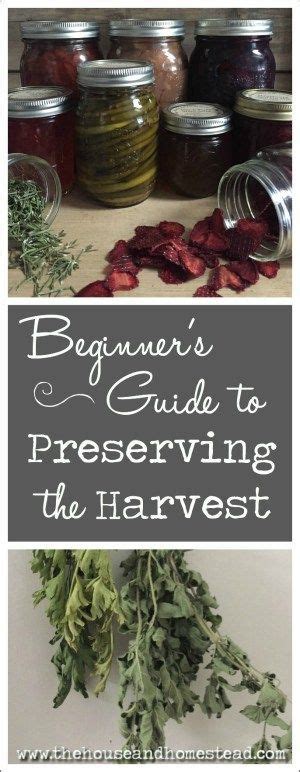
Garden produce isn’t just for dinner! Consider making pestos from excess herbs or greens, fruit leathers from overripe berries, or quick pickles from cucumbers and green beans. These creations can then be used in other recipes or as standalone snacks.
Common Garden Produce and Adaptation Ideas
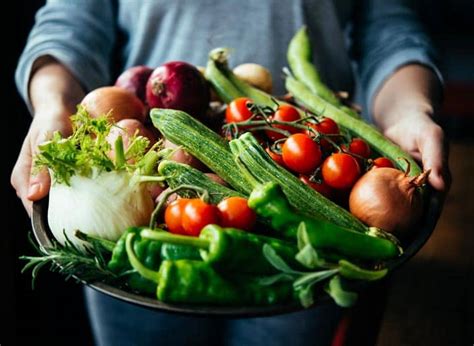
- Tomatoes: Substitute for canned tomatoes in sauces, add fresh to bruschetta, or roast for depth in soups.
- Zucchini/Summer Squash: Grate into muffins or bread, spiralize into ‘noodles,’ or sauté with garlic as a side.
- Leafy Greens (Kale, Chard, Spinach): Wilt into pasta, stir into frittatas, or blend into smoothies.
- Herbs: Infuse oils or vinegars, make pesto, or simply chop and sprinkle generously over almost any savory dish.
- Berries/Stone Fruits: Bake into crumbles or pies, simmer into compotes, or add fresh to salads and yogurts.

Adapting your homemade recipes to seasonal garden produce is a journey of culinary discovery. It encourages resourcefulness, reduces waste, and elevates the flavor and nutritional value of your meals. By understanding your ingredients and embracing a little experimentation, you’ll soon be transforming your garden’s bounty into delicious, fresh, and uniquely personal dishes that truly reflect the season.