Best beginner method for preserving surplus garden tomatoes naturally?

Why Preserve Your Garden Tomatoes Naturally?
As summer peaks, many home gardeners find themselves with a bountiful harvest of sun-ripened tomatoes. While fresh tomatoes are a delight, turning that surplus into pantry staples is a smart way to enjoy their flavor long after the growing season ends. Choosing natural preservation methods not only avoids artificial additives but also keeps the process simple and accessible for beginners.
Natural preservation often means minimal processing, focusing on methods that inherently keep food safe and flavorful. For tomatoes, their high acidity makes them particularly well-suited to several beginner-friendly techniques. Let’s explore the best ways to keep your harvest vibrant and delicious.
Freezing Tomatoes: The Simplest Method
For absolute beginners, freezing is undoubtedly the easiest and most forgiving method for preserving tomatoes. It requires minimal equipment and preparation, making it perfect for handling a large batch quickly. You can freeze tomatoes whole, chopped, or as a purée.
Method 1: Freezing Whole Tomatoes
- Wash tomatoes thoroughly and remove stems.
- Place them in a single layer on a baking sheet lined with parchment paper.
- Freeze until solid (a few hours). This prevents them from sticking together.
- Transfer the frozen tomatoes to freezer-safe bags or containers, removing as much air as possible.
- Label with the date. When you’re ready to use them, simply run them under warm water, and the skins will slip right off!

Method 2: Freezing Chopped or Puréed Tomatoes
- Wash and chop tomatoes into desired sizes, or blend them into a purée.
- For sauce, you can briefly simmer them to reduce moisture and intensify flavor, though it’s not strictly necessary for freezing.
- Portion the chopped tomatoes or purée into freezer bags, ice cube trays, or small freezer-safe containers.
- Leave headspace if using rigid containers (liquid expands when frozen).
- Once solid, transfer ice cubes to a larger bag for easier storage. Label and date.
Frozen tomatoes are perfect for soups, stews, chilis, and sauces. They retain most of their nutritional value and flavor for up to a year.
Drying Tomatoes: Concentrated Flavor
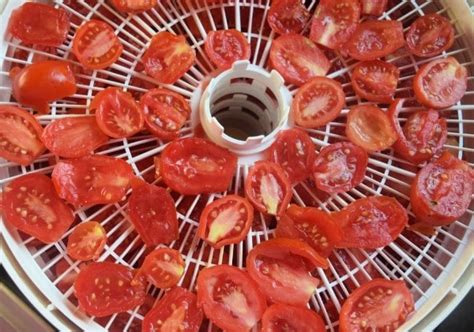
Drying tomatoes, whether in a dehydrator or under the sun, concentrates their flavors into intensely sweet and savory morsels. While sun-drying requires specific weather conditions, a food dehydrator makes this method accessible to everyone.
Using a Food Dehydrator
- Wash and slice tomatoes about 1/4 to 1/2 inch thick. Smaller varieties like cherry tomatoes can be halved.
- Arrange slices on dehydrator trays, ensuring they don’t overlap.
- Set your dehydrator to 125-135°F (52-57°C).
- Dry for 6-12 hours, or until the tomatoes are leathery and pliable but no longer sticky. They should bend, not break.
- Once fully dried, let them cool completely before storing.
Storing Dried Tomatoes
Store dried tomatoes in airtight containers in a cool, dark place for up to 6 months. For longer storage, or if you live in a humid climate, consider vacuum sealing or freezing them. You can also pack them in olive oil with herbs, ensuring they are fully submerged, and store in the refrigerator.
Water Bath Canning: Basic Crushed Tomatoes or Sauce
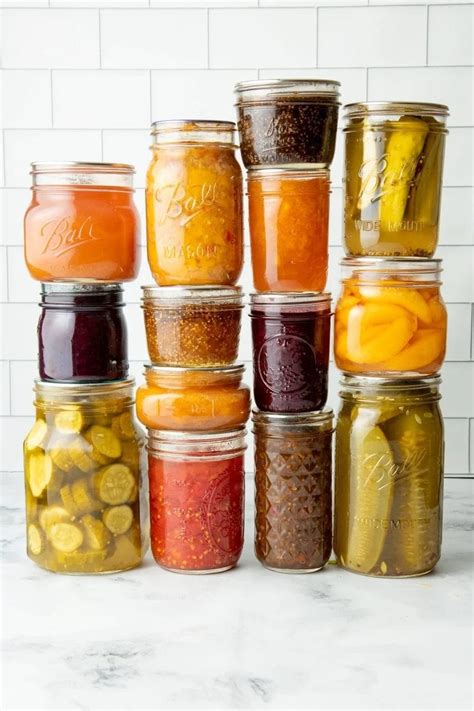
Water bath canning is a classic preservation method that allows you to store tomatoes at room temperature for extended periods. Because tomatoes are a high-acid food, they are safe for water bath canning. For beginners, starting with simple crushed tomatoes or a basic sauce is ideal.
Essential Equipment for Water Bath Canning
- Large water bath canner with a rack
- Glass canning jars with new lids and bands (lids are single-use)
- Jar lifter, canning funnel, bubble remover/headspace tool
- Large pot for preparing tomatoes
Steps for Basic Crushed Tomatoes (or Sauce)
- Prepare Tomatoes: Wash, core, and chop tomatoes. You can blanch them briefly to remove skins if desired, but for crushed tomatoes, it’s not strictly necessary. Simmer in a large pot until softened, then crush or blend to your desired consistency.
- Acidify: This is crucial for safety. For every quart (approx. 1 liter) of tomatoes, add 2 tablespoons of bottled lemon juice or 1/2 teaspoon of citric acid directly to each jar. Do NOT skip this step.
- Prepare Jars: Wash jars, lids, and bands in hot, soapy water. Keep jars hot (e.g., in the canner with simmering water, or a warm oven) until filling.
- Fill Jars: Using a canning funnel, ladle hot tomato mixture into hot jars, leaving 1/2 inch headspace. Remove air bubbles with a bubble remover tool. Wipe rims clean.
- Seal Jars: Center a new, clean lid on each jar, then screw on the band fingertip-tight.
- Process: Carefully place filled jars onto the rack in your water bath canner. Ensure water covers jars by at least 1-2 inches. Bring to a rolling boil and process for the recommended time (typically 35-45 minutes for quarts, adjust for altitude).
- Cool and Store: Turn off heat, remove canner lid, and let jars sit for 5 minutes. Remove jars with a jar lifter and place on a towel-lined counter, spaced apart, to cool for 12-24 hours. Check for seals (lids should be concave and not flex when pressed). Label and store in a cool, dark place.
Tips for Successful Natural Tomato Preservation
- Choose Ripe Tomatoes: Always select firm, ripe, unblemished tomatoes for the best flavor and preservation quality.
- Cleanliness is Key: Sanitize all your equipment, especially for canning, to prevent spoilage.
- Label Everything: Include the contents and date on all your preserved goods. This helps with inventory and ensures you use them within their optimal timeframe.
- Proper Storage: Store frozen items in the freezer, dried items in airtight containers in a cool, dark pantry, and canned goods in a cool, dark, dry place.

Enjoy Your Harvest Year-Round
Preserving your garden tomatoes naturally is a rewarding experience that extends the joy of your harvest. Whether you choose the simplicity of freezing, the intense flavor of drying, or the traditional satisfaction of water bath canning, you’ll be well on your way to enjoying delicious, homemade tomato products all year long. Start with the method that feels most comfortable, and soon you’ll be a pro at turning your garden’s bounty into pantry staples.