




Best BTS tip for turning homemade food fails into engaging stories?

Embrace the Imperfect: Your Secret Sauce for Relatability
In the polished world of food blogging and content creation, it’s easy to feel pressure to present only perfection. However, the most engaging stories often emerge not from flawless execution, but from the glorious, messy, and sometimes hilarious journey of getting there. Homemade food fails aren’t just mishaps; they’re golden opportunities for authentic storytelling that can elevate your ‘Behind the Scenes’ content from mere process footage to truly captivating narratives.
The best BTS tip for turning homemade food fails into engaging stories is simple: Embrace vulnerability and leverage humor. Instead of hiding the scorched soufflé or the collapsed cake, put it front and center. This approach humanizes your brand, builds trust, and makes your content infinitely more relatable.

Why Fails Are More Engaging Than Perfection
Think about it: everyone has experienced a cooking disaster. When you share yours, you’re not just showing a mistake; you’re creating a shared experience. This relatability is a powerful connector. Perfection can sometimes feel aspirational but distant, whereas a good old-fashioned kitchen mishap is instantly accessible and often generates a laugh or a sympathetic nod.
- Authenticity Builds Trust: Showing your struggles proves you’re real, not just a curated highlight reel.
- Relatability Fosters Connection: Viewers see themselves in your struggles, leading to stronger engagement.
- Humor is Magnetic: A well-told story of a food fail, infused with self-deprecating humor, is incredibly entertaining.
- Educational Value: Sometimes, explaining what went wrong and how you might fix it (or salvaged it) can be genuinely informative.
Crafting the Fail Story: Beyond Just Showing the Mess
Simply flashing a picture of a culinary catastrophe isn’t enough. The magic lies in the storytelling. Here’s how to elevate your food fail into an engaging narrative:
1. Set the Scene
Before the ‘reveal,’ describe your intentions. What were you trying to make? What was your ambitious vision? The bigger the dream, the funnier the fall. Build anticipation for what should have been.
2. The Moment of Truth (The Fail Itself)
Don’t just show the outcome; if possible, show snippets of the process leading to the fail or your immediate reaction. Was there a moment of dawning horror? Confusion? Exasperation? Visuals (even short video clips) here are gold. For instance, a time-lapse of a cake slowly deflating in the oven is far more captivating than just a static photo of the final flat cake.
3. The Aftermath & Reflection
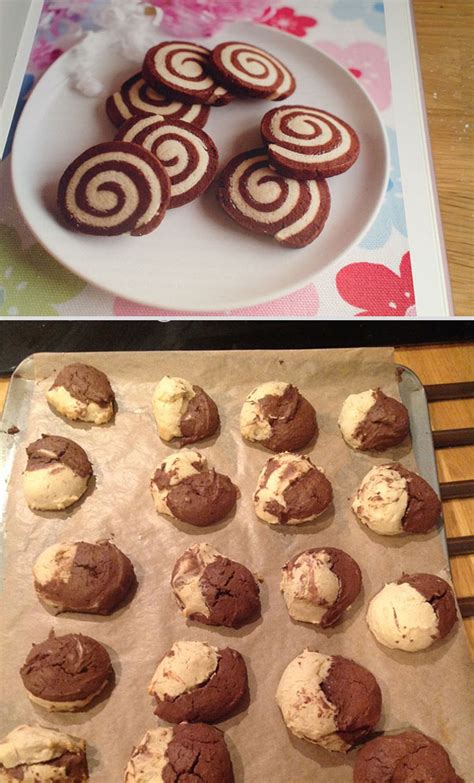
This is where the ‘BTS’ truly shines. What was your immediate reaction? Did you burst out laughing? Did you almost cry? How did you attempt to salvage it, if at all? Share the thought process. Did you learn a valuable lesson? Did you pivot to something else entirely? This reflection shows problem-solving and resilience.
4. The Takeaway (or The Punchline)
Every good story has a conclusion. What’s the moral of the story? Is it a lesson learned about temperature control? A humorous acceptance of your culinary limitations? Or simply a reminder that even pros have off days? End with a strong, memorable statement or a call to action.
Practical Tips for Content Creation
- Capture in the Moment: Don’t wait! The raw, immediate reaction is often the most genuine and funny.
- Use Engaging Captions/Narration: A picture of a burnt cookie is one thing; a caption that reads, “My attempt at ‘golden brown’ somehow translated to ‘charred charcoal,'” is another.
- Ask for Audience Interaction: End your fail story by asking your audience, “What’s your biggest kitchen disaster?” This instantly boosts engagement.
- Don’t Overproduce: The beauty of a fail story is its unpolished nature. Don’t try to make it look too perfect.

Conclusion: Your Fails Are Features, Not Flaws
By embracing your homemade food fails and turning them into well-crafted, humorous, and honest stories, you’re not just creating content; you’re building a community. You’re showing the human side of your passion, making yourself more approachable, and proving that sometimes, the most delicious content comes from the unlikeliest of ingredients: a dash of disaster and a sprinkle of self-aware humor. So next time your culinary creation takes an unexpected turn, grab your camera – you might just have your next viral BTS hit.