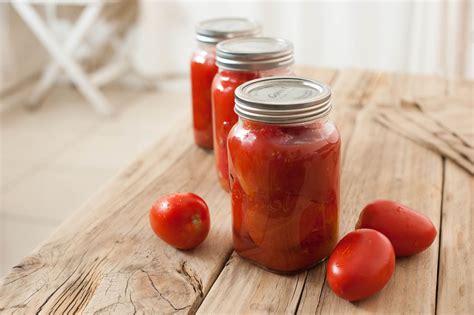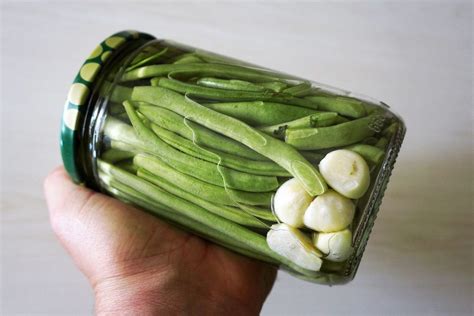
Best canning tips for garden tomatoes to prevent spoilage?

Preserving the bounty of your garden tomatoes through canning is a rewarding way to enjoy their fresh taste long after the growing season ends. However, ensuring food safety and preventing spoilage is paramount. This guide provides comprehensive tips to help you can your tomatoes successfully and keep them safe for consumption.
Start with Quality Tomatoes
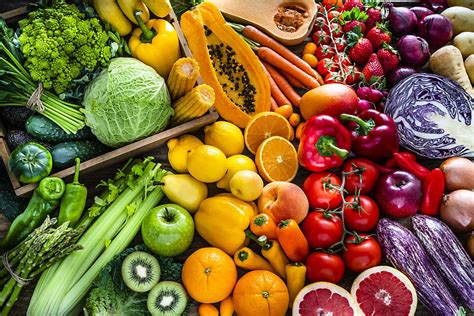
The foundation of safe and delicious canned tomatoes begins with selecting the right produce. Always use ripe, firm, and blemish-free tomatoes. Overripe, bruised, or moldy tomatoes can harbor undesirable bacteria and significantly increase the risk of spoilage.
- Choose Fresh: Can tomatoes within a day or two of harvesting for optimal quality.
- Inspect Carefully: Discard any tomatoes with soft spots, mold, or signs of decay.
- Wash Thoroughly: Rinse tomatoes under running water to remove any dirt or debris.
Prepare for Canning Safely
Proper preparation is crucial for safe canning. This includes not only the tomatoes but also your equipment.
Blanching and Peeling
Many canning recipes require peeling tomatoes. Blanching makes this process easier:
- Score an ‘X’ on the bottom of each tomato.
- Dip in boiling water for 30-60 seconds, then immediately transfer to an ice bath.
- The skins should slip off easily.
Acidification is Key
Tomatoes are a border-line low-acid food, meaning their natural acidity can vary. To ensure a safe canning environment and prevent the growth of harmful bacteria like Clostridium botulinum, you must add acid, regardless of the tomato variety.
- Citric Acid: Use 1/2 teaspoon per pint jar or 1 teaspoon per quart jar.
- Bottled Lemon Juice: Use 1 tablespoon per pint jar or 2 tablespoons per quart jar. (Do not use fresh lemon juice, as its acidity can vary.)
- Vinegar (5% acidity): Use 2 tablespoons per pint jar or 4 tablespoons per quart jar. Keep in mind vinegar can alter the flavor significantly.
Always add the acid directly to the empty jars before filling them with tomatoes.

Choose the Right Canning Method
The proper canning method is critical for safe tomato preservation.
Water Bath Canning
Water bath canning is suitable for tomatoes when they have been properly acidified. This method involves submerging filled jars in boiling water for a specified time.
- Ensure jars are completely covered by at least one inch of water.
- Follow recommended processing times for your altitude.
Pressure Canning
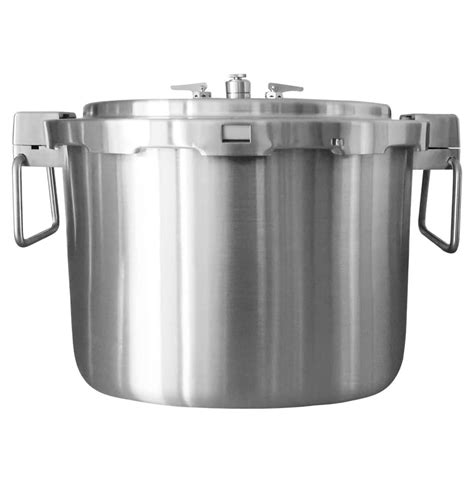
Pressure canning is a safer option for tomatoes, especially if you prefer not to add extra acid or are canning purees, sauces, or mixtures with low-acid ingredients (like onions or peppers). It reaches higher temperatures, effectively destroying all bacteria.
- Always use a properly calibrated pressure canner.
- Follow specific pressure and time recommendations for your recipe and altitude.
Proper Jar Preparation and Sealing
Sterile jars and proper sealing are vital for preventing contamination and ensuring a vacuum seal.
- Clean Jars: Wash jars thoroughly with hot, soapy water, then rinse well.
- Sterilize: If processing for less than 10 minutes (rare for tomatoes), jars should be sterilized in boiling water or a canner. For longer processing times, simply hot wash.
- New Lids: Always use new, unused canning lids. Rings can be reused if they are not rusty or bent.
- Headspace: Leave the correct amount of headspace (usually 1/2 inch for tomatoes) at the top of the jar to allow for expansion and proper sealing.
- Wipe Rims: After filling, wipe jar rims with a clean, damp cloth to remove any food particles that could interfere with the seal.
- Tighten Bands: Tighten screw bands to fingertip-tight; do not overtighten.
After Processing and Storage
Once your jars are processed, the work isn’t quite done yet.
- Cooling: Remove jars from the canner and place them on a towel on the counter, leaving space between them. Let them cool undisturbed for 12-24 hours.
- Check Seals: After cooling, check for a proper seal. The center of the lid should be concave and not flex when pressed. If a jar hasn’t sealed, refrigerate and consume within a few days, or reprocess within 24 hours with a new lid.
- Remove Rings: Once sealed, remove the screw bands. This prevents rust and allows you to easily spot unsealed jars later.
- Label and Store: Label jars with the contents and date. Store in a cool, dark, dry place (50-70°F/10-21°C) for optimal shelf life.

Recognizing Spoilage
Always inspect canned goods before consuming. Signs of spoilage include:
- Bulging lids or jars
- Leaking jars
- Foamy or cloudy liquid
- Unusual odors
- Mold growth
If you observe any of these signs, do not taste or consume the product. When in doubt, throw it out.
By following these best practices, you can confidently preserve your garden tomatoes, ensuring a safe and delicious supply of your favorite homemade canned goods.