


Best companion plants for healthy heirloom tomato yields?

The Art of Companion Planting for Heirloom Tomatoes
Heirloom tomatoes, prized for their diverse flavors and vibrant histories, thrive best when given the right conditions and a little help from their botanical friends. Companion planting, an age-old gardening technique, leverages the natural interactions between different plant species to improve growth, deter pests, and enhance overall garden health. For heirloom tomatoes, selecting the right companions can mean the difference between a struggling vine and a prolific, disease-resistant producer.
Integrating specific plants into your tomato patch can lead to a healthier ecosystem, reducing the need for chemical interventions and fostering a more sustainable garden. From attracting beneficial insects to repelling common pests and improving soil nutrients, the benefits are numerous. Let’s explore some of the best companion plants that will help your heirloom tomatoes flourish.
Natural Pest Deterrents and Protectors
Many herbs and flowers possess natural compounds that can deter common tomato pests, protecting your precious heirloom varieties without harsh chemicals.
- Basil: A classic companion for tomatoes, basil is reputed to improve tomato flavor and repel flies, mosquitoes, and notably, tomato hornworms. Its strong aroma confuses pests, making it harder for them to locate your tomato plants.
- Marigolds (Tagetes spp.): French marigolds are particularly effective. Their roots release thiophenes, compounds that repel nematodes (microscopic worms that can damage plant roots). Above ground, their strong scent can deter other pests like whiteflies and general garden invaders.
- Nasturtiums: These vibrant flowers act as an excellent trap crop for aphids. Aphids are drawn to nasturtiums, leaving your tomatoes relatively untouched. They can also deter squash bugs and cucumber beetles.

Attracting Beneficial Insects and Pollinators
A thriving garden relies on a healthy population of beneficial insects. Some plants are excellent at drawing in pollinators and predatory insects that feast on common tomato pests.
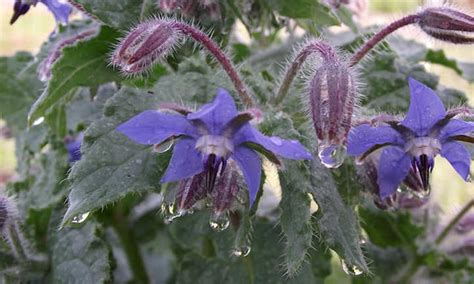
- Borage: This beautiful herb is a magnet for bees, which are essential for pollination. It’s also known to attract beneficial predatory wasps, which can help control tomato hornworms. Borage is also believed to improve soil health by returning trace minerals.
- Dill: A favorite of many beneficial insects, dill attracts lacewings, ladybugs, and predatory wasps, all of which are formidable predators of aphids, spider mites, and even hornworms.
- Calendula (Pot Marigold): Not to be confused with common marigolds, calendula attracts beneficial insects like hoverflies and lacewings, whose larvae are voracious consumers of aphids. It can also deter some nematodes.
Soil Health and Growth Boosters
Beyond pest control, some companions can directly improve soil quality and nutrient availability for your heirloom tomatoes.
- Legumes (Bush Beans/Peas): While too close a proximity can lead to competition, planting certain bush bean or pea varieties near your tomatoes can enrich the soil with nitrogen, a vital nutrient for leafy growth. Ensure adequate spacing to avoid competition for light and water.
- Carrots and Onions: Root vegetables like carrots can help loosen the soil, improving aeration and water penetration for your tomatoes. Onions and garlic, with their strong sulfur compounds, can repel a wide array of pests, including aphids and spider mites.

Companions to Consider with Caution or Avoid
While many plants make great neighbors for tomatoes, some can hinder growth or compete for resources. It’s wise to be aware of these before planting:
- Fennel: Known to inhibit the growth of many plants, including tomatoes. It’s best kept far away from your tomato patch.
- Brassicas (Broccoli, Cabbage, etc.): These heavy feeders compete aggressively for nutrients, often stunting tomato growth. They also have different soil pH requirements.
- Corn: Both corn and tomatoes are susceptible to corn earworms and can attract the same pests, increasing infestation risk.

Tips for Successful Companion Planting
To maximize the benefits of companion planting for your heirloom tomatoes, keep these tips in mind:
- Spacing: Ensure adequate space between plants to prevent competition for light, water, and nutrients.
- Soil Needs: Group plants with similar soil pH and nutrient requirements.
- Observation: Pay attention to how your plants interact. Gardening is an experiment, and what works in one garden might differ slightly in another.
- Diversity: A diverse garden is a resilient garden. Don’t be afraid to experiment with a mix of beneficial companions.
By thoughtfully integrating these companion plants into your heirloom tomato garden, you can create a vibrant, balanced ecosystem that naturally supports healthy growth, deters pests, and ultimately leads to an abundance of delicious, picture-perfect heirloom tomatoes. Happy gardening!