Best companion plants for pest-free heirloom tomatoes?

Unlock a Thriving Garden with Companion Planting for Heirloom Tomatoes
Growing heirloom tomatoes is a truly rewarding experience, offering a burst of unique flavors and a connection to gardening heritage. However, these prized plants can often fall victim to various pests and diseases, challenging even the most seasoned gardeners. The good news? You don’t always need chemical interventions to protect your harvest. Enter companion planting – an ancient, eco-friendly gardening strategy that leverages the natural synergy between different plants to deter pests, attract beneficial insects, and even improve soil health and flavor.
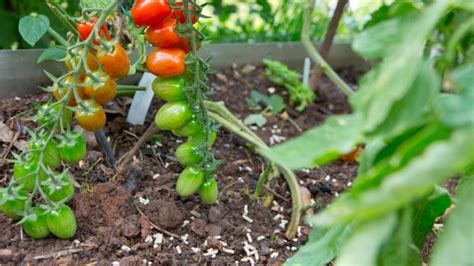
Companion planting is more than just interspersing different species; it’s about creating a balanced ecosystem in your garden. By strategically placing specific plants near your heirloom tomatoes, you can naturally enhance their vigor and resilience, leading to healthier plants and a more abundant, pest-free yield. Let’s explore the best companions to invite into your tomato patch.
Top Companion Plants for Pest Deterrence and Health
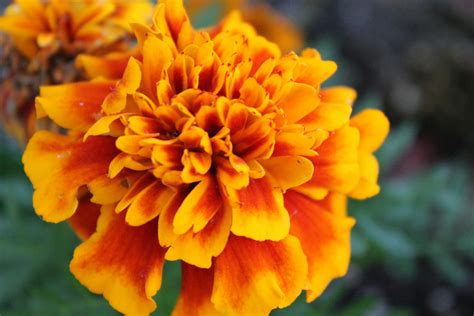
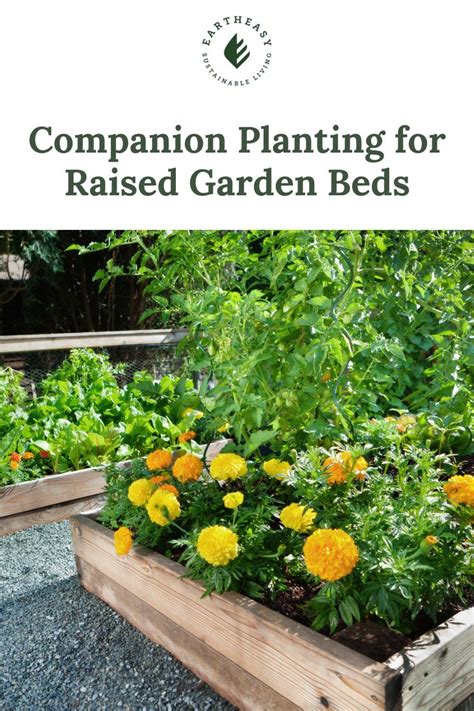
1. Marigolds (Tagetes spp.)
These cheerful, vibrant flowers are not just for aesthetics; they are powerful pest deterrents. French Marigolds (Tagetes patula) are particularly effective at repelling nematodes, microscopic worms that can damage tomato roots. Their roots release compounds that are toxic to these pests. They also deter whiteflies and other destructive insects with their strong scent.
2. Basil (Ocimum basilicum)
A classic culinary pairing with tomatoes, basil is also an excellent garden companion. It’s widely believed to repel common tomato pests like tomato hornworms and flies, and some gardeners even claim it improves the flavor of the tomatoes. Planting basil close to your tomato plants can create a protective aromatic barrier.
3. Nasturtiums (Tropaeolum majus)
Nasturtiums serve as an excellent trap crop. They are incredibly attractive to aphids and other common garden pests, drawing them away from your precious tomato plants. Once the nasturtiums are infested, you can easily remove and dispose of them, taking the pests with them. Their sprawling habit also provides ground cover, helping to retain soil moisture.
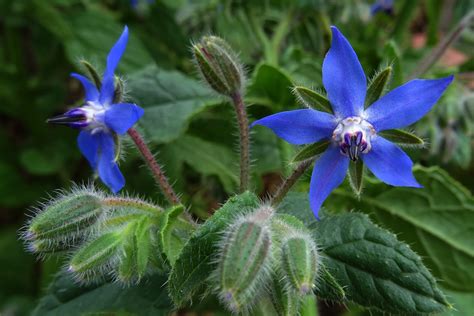
4. Borage (Borago officinalis)
This beautiful, blue-flowered herb is a boon for your tomato patch. Borage is known to deter tomato hornworms and attract beneficial pollinators like bees, which can help with fruit set. It’s also believed to improve the disease resistance and overall growth of tomato plants. The leaves are edible and can be used in salads or as a natural mulch.
5. Carrots and Onions
Planting root vegetables like carrots and onions (including chives and garlic) near tomatoes can offer several benefits. Carrots help loosen the soil, improving drainage and root access for tomatoes. Onions and chives deter aphids and spider mites with their pungent scent, acting as a natural pest barrier. Garlic is also renowned for its fungicidal properties, potentially protecting against certain tomato blights.
6. Other Beneficial Herbs and Flowers
- Parsley: Attracts beneficial predatory wasps and hoverflies, which prey on aphids and other soft-bodied insects.
- Mint: While a great pest deterrent (repelling slugs and ants), mint is highly invasive. Plant it in pots near your tomatoes to keep it contained.
- Calendula (Pot Marigold): Similar to true marigolds, calendula attracts beneficial insects and can deter nematodes.
Plants to Avoid Near Heirloom Tomatoes
Just as some plants are beneficial companions, others can be detrimental. Avoiding these can prevent stunted growth, increased pest issues, or disease transmission:
- Brassicas (Cabbage, Broccoli, Cauliflower): These can inhibit tomato growth.
- Corn: Attracts corn earworms, which can also damage tomatoes.
- Fennel: Known to inhibit the growth of many plants, including tomatoes.
- Walnut Trees: Release juglone, a chemical that is toxic to tomatoes and many other plants.
Tips for Successful Companion Planting
To maximize the benefits of companion planting for your heirloom tomatoes, keep these tips in mind:
- Observe and Adapt: Every garden is unique. Pay attention to what works best in your specific environment.
- Proper Spacing: Ensure that companion plants don’t overcrowd your tomato plants, which could impede air circulation and lead to fungal issues.
- Healthy Soil: Companion planting works best in conjunction with healthy, nutrient-rich soil.
- Diversity: A diverse garden ecosystem is more resilient to pests and diseases. Don’t rely on just one companion plant.

Conclusion
Embracing companion planting for your heirloom tomatoes is a powerful step towards a healthier, more productive, and ecologically balanced garden. By understanding the natural relationships between plants, you can cultivate robust tomato plants that are less susceptible to pests and diseases, yielding a bountiful harvest of delicious, chemical-free heirloom treasures. Experiment with these suggestions, observe your garden’s response, and enjoy the rewards of working with nature.