
Best country kitchen recipes for preserving summer garden produce naturally?
As the days grow long and the sun warms the earth, summer gardens burst forth with an abundance of fresh, vibrant produce. For generations, country kitchens have been the heart of natural preservation, ensuring that the flavors of peak season can be savored long after the harvest is over. Embracing these traditional methods not only reduces food waste but also fills your pantry with wholesome, homemade goodness free from artificial additives. Dive into the art of natural preservation and bring the taste of summer to your table all year round.
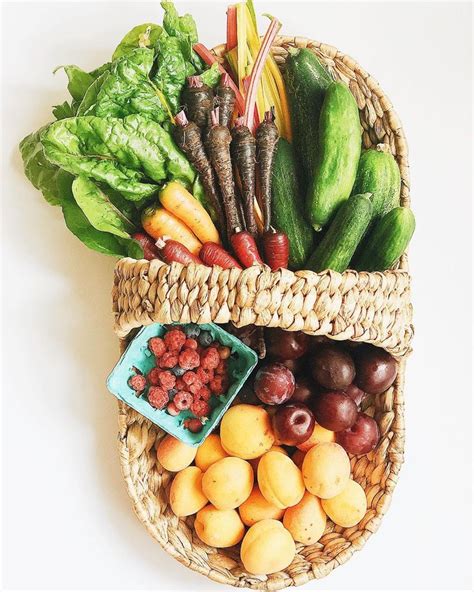
Time-Honored Techniques for Preserving Nature’s Bounty
Natural preservation is about working with nature, utilizing methods like acidification, sugar, salt, and dehydration to extend the shelf life of fruits and vegetables. These techniques are simple, cost-effective, and yield incredibly flavorful results that store-bought options can rarely match.
Canning and Pickling: Tangy Traditions
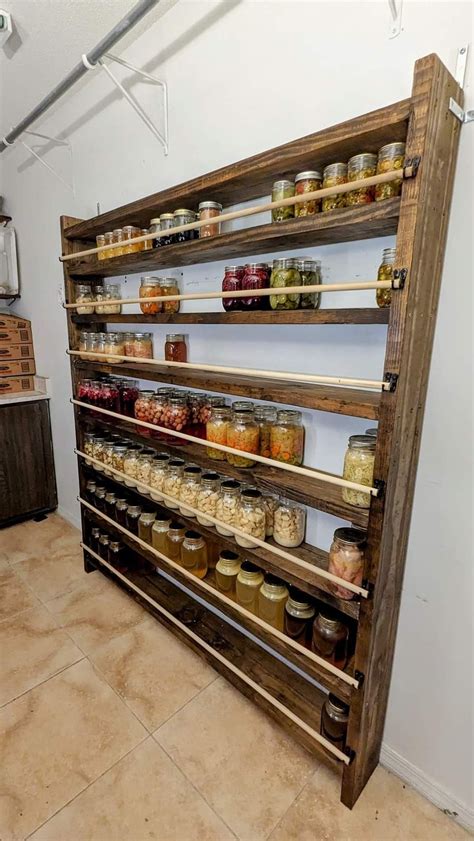
Canning is a cornerstone of country kitchen preservation, involving heating food in jars to create a vacuum seal that prevents spoilage. Pickling, a form of canning, uses vinegar or fermentation to preserve vegetables, imparting a wonderfully tangy flavor.
- Classic Dill Pickles: Crisp cucumbers transformed by a brine of vinegar, water, salt, garlic, and fresh dill. A water bath canner ensures a safe seal.
- Sweet and Tangy Bread and Butter Pickles: Sliced cucumbers, onions, and bell peppers in a sweet vinegar brine with mustard seeds and turmeric. Perfect for sandwiches or as a side.
- Homemade Tomato Salsa: A vibrant blend of garden-fresh tomatoes, onions, peppers, cilantro, and lime, processed in a water bath canner for shelf stability.
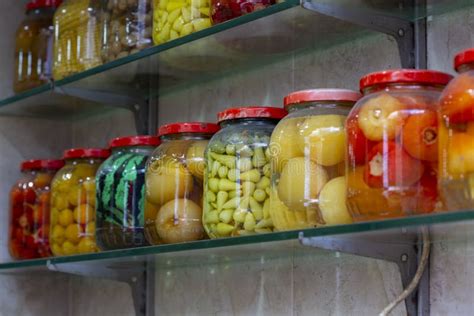
Jams, Jellies, and Fruit Butters: Sweet Spreads
Preserving fruits with sugar creates delightful jams, jellies, and fruit butters. The sugar acts as a natural preservative, inhibiting microbial growth while enhancing flavor.
- Berry Patch Jam (Strawberry, Raspberry, Blueberry): Simmer fresh berries with sugar and a touch of lemon juice until thickened. Use low-sugar pectin for a healthier version or cook longer for a naturally set jam.
- Peach or Apple Butter: Slow-cook puréed peaches or apples with spices like cinnamon and nutmeg until deeply caramelized and spreadable.
- Plum or Cherry Preserves: Whole or halved fruit cooked gently with sugar, preserving their natural shape and intense flavor.
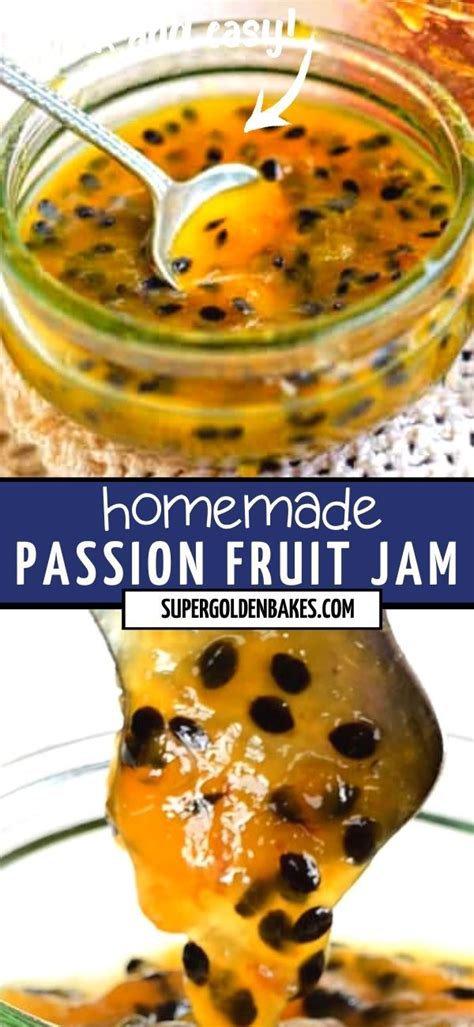
Dehydrating and Drying: Concentrated Flavors
Removing moisture from produce is one of the oldest and simplest preservation methods. Dehydrated fruits and vegetables retain much of their nutritional value and intense flavor.
- Sun-Dried Tomatoes: Halved tomatoes slowly dried in the sun or a dehydrator until leathery and flavorful. Store dry or rehydrate in olive oil.
- Dried Apple Rings: Thinly sliced apples (a quick lemon juice dip prevents browning) dried until chewy. A healthy snack!
- Herbal Blends: Dry fresh herbs like basil, oregano, thyme, and rosemary by hanging them or using a dehydrator. Crumble and store in airtight containers.
Freezing: Simplicity and Freshness
While not a traditional ‘country kitchen’ method in the same vein as canning, freezing is incredibly effective for preserving the fresh taste of summer produce with minimal effort, making it a modern country kitchen staple.
- Blanched Green Beans or Corn: Briefly blanching vegetables before freezing helps retain their color, texture, and nutrients.
- Frozen Berry Purées: Blend fresh berries and freeze the purée in ice cube trays for smoothies, sauces, or desserts.
- Pesto Cubes: Make a big batch of basil pesto and freeze it in ice cube trays for quick pasta dishes or sandwiches throughout the year.
Tips for Successful Natural Preservation
- Use Peak-Quality Produce: The fresher the produce, the better the preserved result.
- Cleanliness is Key: Sterilize jars and equipment thoroughly to prevent spoilage.
- Follow Tested Recipes: Especially for canning, always use reputable, tested recipes to ensure safety.
- Proper Storage: Store preserved goods in a cool, dark place for optimal shelf life.
- Label and Date: Clearly label your jars with contents and date of preservation.
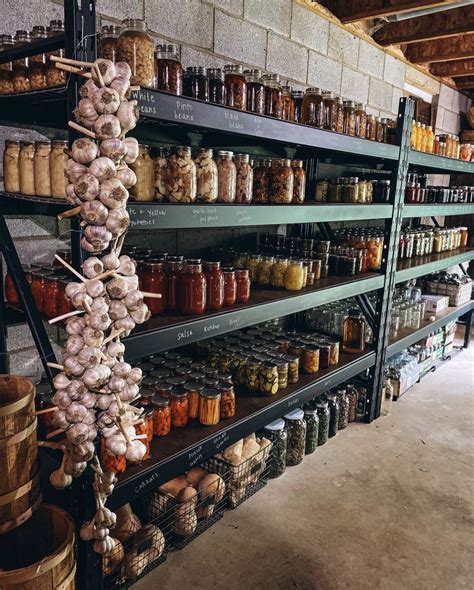
Embracing natural preservation methods is a rewarding journey that connects you to the rhythms of the seasons and the bounty of your garden. Each jar, bag, or dried slice holds a piece of summer’s magic, ready to be enjoyed on a chilly winter’s day. So roll up your sleeves, gather your produce, and start creating delicious, naturally preserved treasures in your own country kitchen.