
Best country tips for preserving a bumper garden harvest?
Embracing Your Bumper Harvest
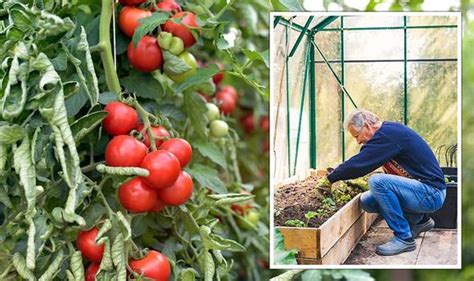
There’s nothing quite like the satisfaction of a thriving garden, bursting with fresh produce. But when that harvest is truly bumper-sized, the joy can quickly turn into a race against time to ensure none of your hard work goes to waste. Fortunately, generations of country wisdom, combined with modern techniques, offer a plethora of ways to preserve your garden’s bounty, allowing you to savor its flavors long after the growing season ends.
The key to successful preservation lies in acting quickly and choosing the right method for each type of produce. Whether you’re dealing with an abundance of tomatoes, a mountain of berries, or a surplus of root vegetables, there’s a perfect preservation technique waiting to be employed.

Core Preservation Philosophies
Before diving into specific methods, remember a few guiding principles: always start with the freshest, highest-quality produce; maintain impeccable cleanliness to prevent spoilage; and understand the science behind each method to ensure food safety.
1. Freezing: The Easiest Option
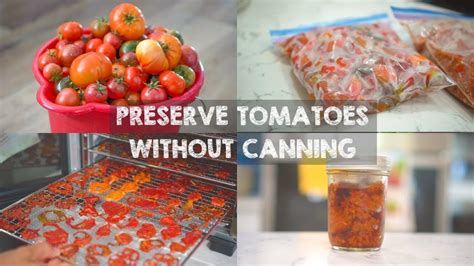
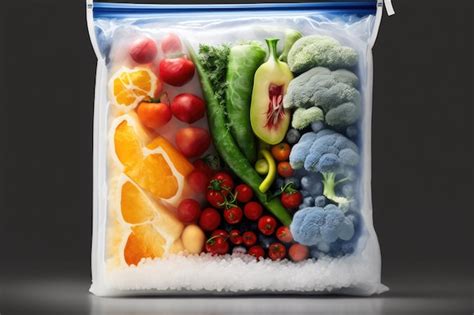
For many vegetables and fruits, freezing is the simplest and most straightforward method. Most vegetables require blanching (briefly boiling, then plunging into ice water) beforehand to stop enzyme action that can degrade flavor and texture. Fruits, on the other hand, can often be frozen raw, either whole, sliced, or pureed.
- Vegetables: Blanch broccoli, beans, peas, corn, and greens. Pack tightly into freezer bags or containers, removing as much air as possible.
- Fruits: Freeze berries on a baking sheet before transferring to bags to prevent clumping. Slice peaches or apples and treat with lemon juice to prevent browning.
2. Canning: Sealing in Summer Flavors
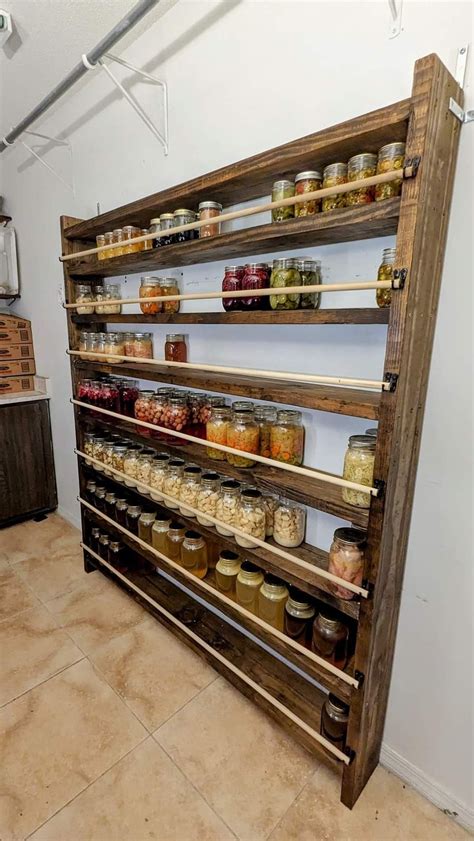
Canning involves sealing food in jars and heating them to a temperature that destroys microorganisms and creates a vacuum seal. There are two main types:
- Water Bath Canning: Suitable for high-acid foods like fruits, jams, jellies, pickles, and tomatoes (often with added acid). Jars are submerged in boiling water for a specific time.
- Pressure Canning: Essential for low-acid foods like most vegetables (beans, corn, potatoes), meats, and mixed soups. A pressure canner reaches much higher temperatures than boiling water, which is necessary to kill botulism spores. This method requires careful adherence to safety guidelines.
3. Drying and Dehydrating: Concentrated Goodness
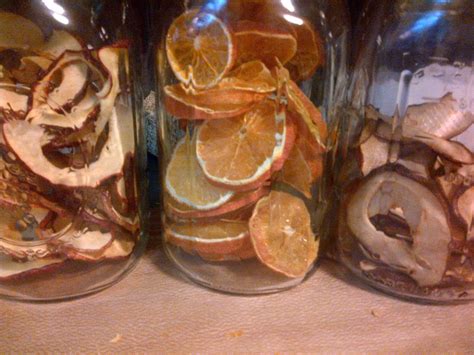
Drying removes water content, inhibiting microbial growth and concentrating flavors. This can be done with a food dehydrator, in an oven on its lowest setting, or even in the sun (for certain foods in hot, dry climates).
- Fruits: Apples, berries, apricots, and plums make excellent dried snacks.
- Vegetables: Tomatoes, peppers, onions, and herbs are great for adding to soups and stews.
4. Fermentation and Pickling: Tangy Delights
Fermentation uses beneficial bacteria to transform food, creating unique flavors and increasing shelf life. Pickling, using vinegar, is another age-old method for preserving vegetables.
- Fermentation: Sauerkraut, kimchi, and fermented pickles (using salt brine) are classic examples.
- Pickling: Cucumbers, green beans, carrots, and onions can be preserved in a vinegar brine.
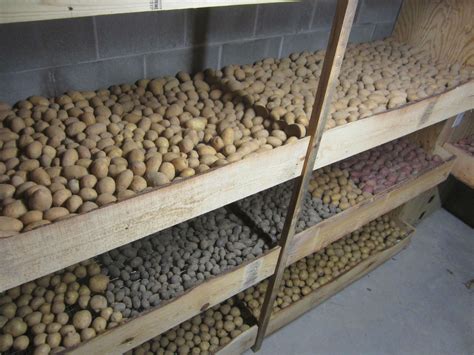
5. Cool Storage: The Natural Root Cellar
For certain root vegetables and fruits, a cool, dark, and humid environment can keep them fresh for months without any processing. If you don’t have a traditional root cellar, a cool basement, unheated garage, or even a buried container can serve a similar purpose.
- Root Vegetables: Carrots, potatoes, sweet potatoes, onions, and garlic thrive in cool, dark conditions.
- Apples and Pears: Can be stored for extended periods in similar environments.
Beyond the Basics: Creative Preservation
Don’t limit yourself to the big five. Many other methods can add variety to your pantry:
- Jams, Jellies, and Sauces: Turn fruits into delicious spreads and tomatoes into flavorful sauces.
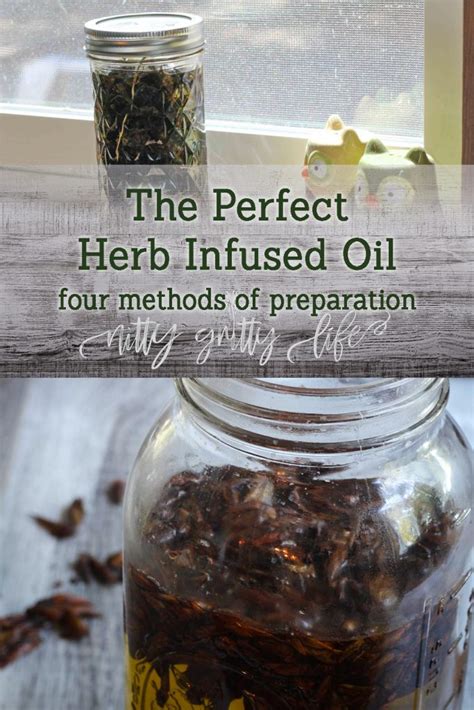
- Herb Infusions: Preserve herbs in oils or vinegars (use caution with oil infusions and refrigerate to prevent botulism).
- Making Fruit Leather: A fun and healthy snack from pureed fruit.
Essential Tips for Successful Preservation
- Label Everything: Include the item, date, and method of preservation. You’ll thank yourself later!
- Work in Small Batches: This ensures quality and makes the process less overwhelming.
- Use Quality Produce: Bruised or overripe produce won’t improve with preservation.
- Follow Recipes Precisely: Especially with canning, exact measurements and timings are crucial for safety.
- Inspect Jars and Lids: Always use new lids for canning and check jars for chips or cracks.
Preserving your bumper garden harvest is a rewarding endeavor that connects you to the land and provides wholesome food year-round. By embracing these country tips and techniques, you’ll transform your fleeting summer bounty into a pantry full of delicious possibilities, ready to be enjoyed any time you crave a taste of your garden’s goodness.