

Best DIY compost mix for a thriving vegetable garden?

Why Homemade Compost is a Game-Changer for Vegetables
For any aspiring or seasoned gardener, understanding the critical role of soil health is paramount. And when it comes to nurturing a vibrant, productive vegetable garden, nothing quite beats the magic of homemade compost. It’s not just about adding nutrients; it’s about building a living, breathing ecosystem in your soil that supports robust plant growth, enhances water retention, and fends off pests and diseases naturally. Forget expensive synthetic fertilizers – your garden’s best friend is a well-managed compost pile.
Creating your own compost allows you to control the quality of the amendments going into your garden, ensuring an organic and sustainable approach. But what exactly constitutes the ‘best’ DIY compost mix for those hungry vegetable plants? It’s all about balance and variety.
Understanding the Basics: Greens and Browns
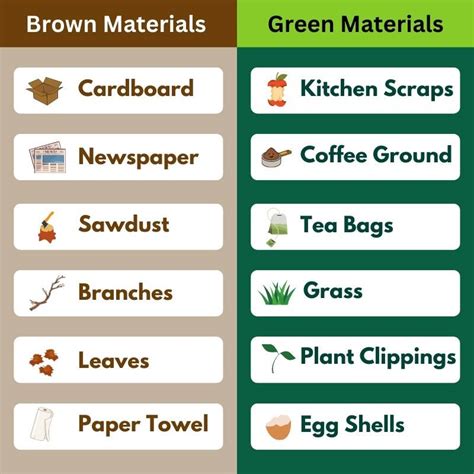
The foundation of any successful compost pile lies in the correct ratio of ‘greens’ (nitrogen-rich materials) and ‘browns’ (carbon-rich materials). This balance is crucial for microorganisms to break down the organic matter efficiently, generating heat and transforming waste into gardener’s gold.
Greens (Nitrogen-Rich)
- Food Scraps: Fruit and vegetable peels, coffee grounds, tea bags, eggshells (crushed).
- Garden Trimmings: Fresh grass clippings, green plant clippings, weeds (before going to seed).
- Manure: Chicken, cow, horse, or rabbit manure (ensure it’s from herbivores and preferably aged).
Greens provide the nitrogen necessary for microbial growth and reproduction, which are essential for decomposition. They tend to be moist and break down quickly.
Browns (Carbon-Rich)
- Fallen Leaves: A fantastic carbon source, especially deciduous leaves.
- Woody Materials: Small twigs, wood chips (use sparingly and in small pieces), sawdust (from untreated wood).
- Cardboard & Paper: Shredded cardboard (non-glossy, remove tape), newspaper (black and white only).
- Straw & Hay: Excellent for aeration and carbon.
Browns provide the energy source for the microbes and help create the necessary air pockets in the compost pile. They are typically dry and decompose more slowly.
The Optimal DIY Mix for Thriving Vegetables
For a hot, active compost pile that yields nutrient-dense compost perfect for vegetables, a general rule of thumb is to aim for a 2:1 or 3:1 ratio of browns to greens by volume. While precision isn’t always possible, a visual estimate works well.
Recommended Ingredients for a Vegetable Garden Power Mix:
- Abundant Food Scraps: These are gold for vegetable gardens, rich in a wide spectrum of micronutrients. Include fruit and vegetable peels, coffee grounds, and crushed eggshells regularly.
- Grass Clippings & Leaf Mold: A good layer of fresh grass clippings (in moderation to avoid sliminess) and well-rotted leaves (leaf mold) forms an excellent base for nitrogen and carbon.
- Aged Manure: If available, incorporating aged chicken or cow manure significantly boosts nitrogen and beneficial microbes, making your compost particularly potent for vegetables.
- Shredded Cardboard/Newspaper: These are excellent for balancing out nitrogen-heavy materials and improving aeration.
- Garden Refuse: Non-diseased plant trimmings, spent vegetable plants (chopped), and annual weeds before they set seed.
Chop all materials into smaller pieces whenever possible; this increases surface area for microbes and speeds up decomposition. Think of it as creating a nutrient-dense buffet for your soil.
Essential Factors: Water and Air
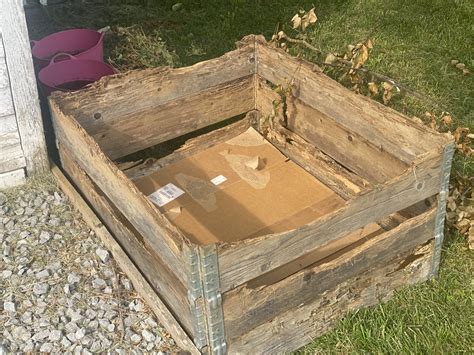
Beyond greens and browns, two other elements are non-negotiable for a thriving compost pile: moisture and oxygen. Without these, your compost will either be a dry, slow-decomposing mess or a stinky, anaerobic swamp.
Moisture
Your compost pile should be consistently moist, like a wrung-out sponge. Too dry, and decomposition slows to a crawl. Too wet, and you risk anaerobic conditions, leading to foul odors and inhibited microbial activity. Water your pile regularly, especially during dry spells, and turn it to distribute moisture evenly.
Aeration
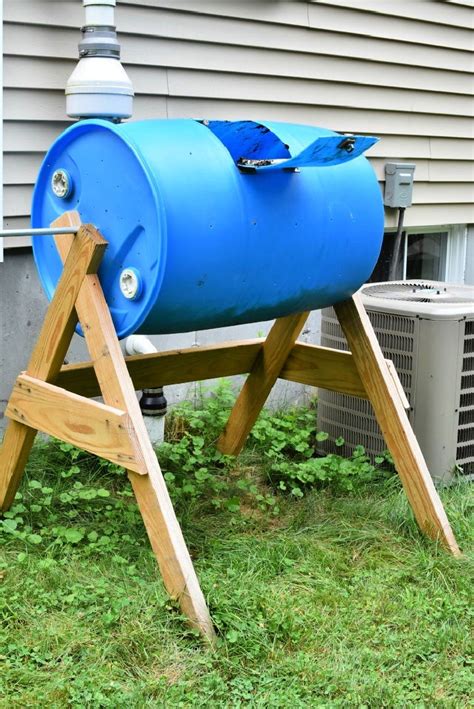
Turning your compost pile is vital for introducing oxygen, which aerobic bacteria (the good kind) need to thrive. Aim to turn your pile every few days to once a week. This also helps mix materials, distribute moisture, and regulate temperature. A well-aerated pile will heat up, which is a sign of active decomposition and effective pathogen killing.
Benefits for Your Vegetable Garden
Applying this DIY compost mix to your vegetable beds offers a myriad of benefits:
- Improved Soil Structure: Compost lightens heavy clay soils and adds body to sandy soils, making both easier to work with and better for root growth.
- Enhanced Nutrient Availability: It slowly releases essential nutrients, providing a steady food source for your vegetables throughout their growing cycle.
- Increased Water Retention: Compost acts like a sponge, holding onto moisture and reducing the need for frequent watering.
- Suppressed Diseases & Pests: Healthy soil fosters healthy plants, which are more resistant to diseases and less attractive to pests.
- Boosted Microbial Life: It introduces a diverse community of beneficial microorganisms that work symbiotically with plant roots.
Maintaining Your Compost Pile for Success
Creating the initial mix is just the beginning. Regular maintenance ensures a continuous supply of high-quality compost:
- Chop Materials: Smaller pieces break down faster.
- Layering: While not strictly necessary for a hot pile, layering greens and browns can help achieve the right balance.
- Monitor Temperature: A hot pile (130-160°F or 54-71°C) indicates active decomposition and ensures weed seeds and pathogens are killed.
- Troubleshooting: If it smells bad, add more browns and turn it. If it’s not heating up, add more greens or water, and turn it.
- Harvesting: Compost is ready when it’s dark brown, crumbly, smells earthy, and you can no longer identify the original materials.
Conclusion
The best DIY compost mix for a thriving vegetable garden isn’t a secret formula, but rather a balanced blend of readily available organic materials, combined with diligent attention to moisture and aeration. By understanding the roles of greens and browns, incorporating nutrient-rich ingredients like food scraps and manure, and regularly tending to your pile, you’ll produce a powerful soil amendment that will transform your garden into a highly productive, flourishing haven for vegetables. Happy composting!