Best DIY method for critter-proofing garden produce storage?
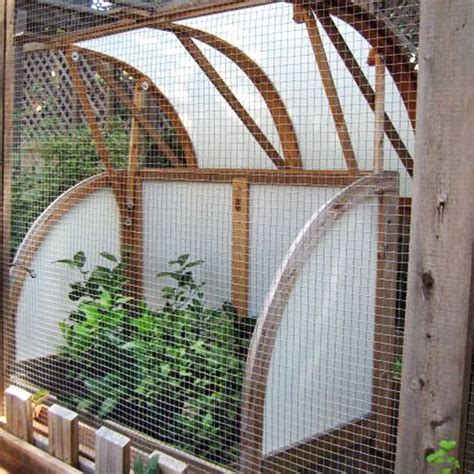
Protecting Your Harvest: Why Critter-Proofing Matters
After weeks or months of nurturing your garden, the last thing you want is for pests to pilfer or spoil your hard-earned harvest. Critters, from tiny insects to persistent rodents, can quickly turn a bountiful yield into a disappointing loss. Implementing effective critter-proofing methods for your garden produce storage isn’t just about saving food; it’s about preserving your effort, time, and investment. Luckily, many of the best solutions are simple, affordable, and completely DIY.
The goal is to create an environment that is unattractive, inaccessible, or simply too much trouble for common garden invaders. This article will guide you through practical, hands-on DIY strategies to keep your stored fruits, vegetables, and herbs safe from hungry pests.
Understanding Your Adversaries: Common Garden Pests
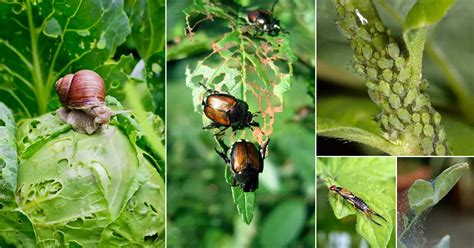
Before you can effectively critter-proof, it’s essential to know who you’re up against. The primary culprits for raiding stored garden produce typically include:
- Rodents: Mice and rats are notorious for chewing through containers, contaminating food with droppings, and can be remarkably persistent.
- Insects: Beetles, weevils, ants, and various larvae can infest stored grains, root vegetables, and fruits, often unseen until it’s too late.
- Birds: While less common for indoor storage, birds can be an issue for open-air drying or temporary outdoor storage.
- Larger Mammals: Squirrels, raccoons, and even deer (if storage is accessible outdoors) can be a significant threat.
Each type of pest requires a slightly different approach, though many DIY methods offer broad-spectrum protection.
Fundamental Principles of Critter-Proof Storage
Regardless of the specific DIY method you choose, successful critter-proofing relies on a few core principles:
- Physical Barriers: The most effective method is to create an impenetrable barrier between the critter and the food.
- Elevation: Keeping produce off the ground can deter many ground-dwelling pests.
- Cleanliness: A clean storage area with no crumbs or spilled produce reduces attraction.
- Eliminate Entry Points: Seal off any gaps or holes in your storage area.
- Ventilation (for some produce): While crucial for produce longevity, ensure ventilation doesn’t become an entry point.
DIY Solutions for Secure Produce Storage
1. Hardware Cloth Reinforced Containers and Shelves
Hardware cloth (not chicken wire, which has larger openings) is a versatile and durable material perfect for keeping out rodents and larger insects. Available in various mesh sizes (1/4 inch or 1/2 inch is ideal), it can be used to fortify almost any storage solution.
- For Bins and Boxes: Line the inside or outside of wooden bins, plastic totes, or wire baskets with hardware cloth. Secure it with staples or screws. Ensure there are no gaps for critters to squeeze through.
- Critter-Proof Shelving Units: Build simple wooden shelves and wrap the entire unit, including the back and sides, with hardware cloth. This creates a fully enclosed, ventilated storage cage for your produce.
- Ventilated Storage Lockers: Construct a small cabinet or locker from plywood and cover any ventilation holes with hardware cloth. Ensure the door has a tight seal and a secure latch.
2. Upcycled Metal Containers and Glass Jars
Rodents cannot chew through metal or glass, making these materials excellent for critter-proofing. Repurpose items you might already have:
- Metal Trash Cans: New, clean metal trash cans with tight-fitting lids are excellent for storing root vegetables like potatoes, carrots, or onions. Ensure the lid forms a secure seal.
- Old Filing Cabinets: An old metal filing cabinet can be cleaned out and repurposed as a multi-drawer critter-proof storage unit. Its sturdy construction and sealed drawers offer great protection.
- Glass Jars: For dried herbs, spices, beans, or smaller quantities of produce, glass jars with airtight lids are perfect. They are impenetrable and allow you to see the contents.
3. Elevated Storage and Hanging Solutions
Many critters, especially mice and some insects, are ground-dwellers. Elevating your produce can significantly reduce their access.
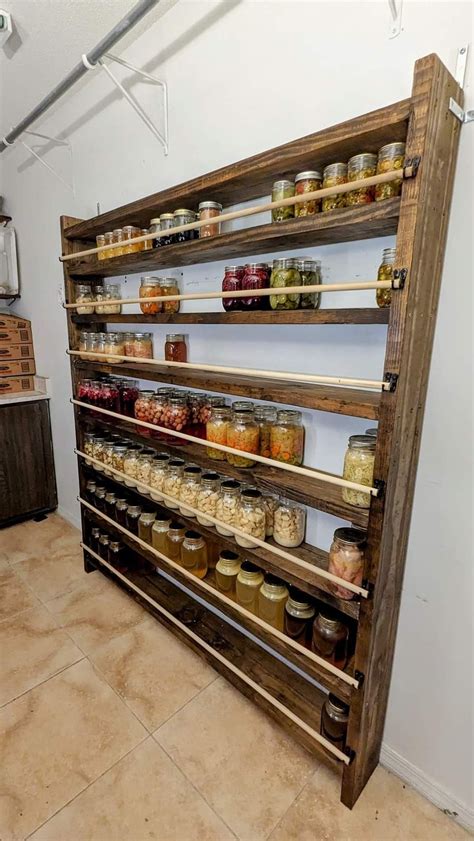
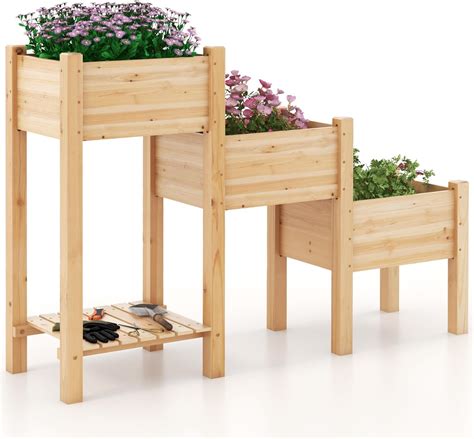
- Sturdy Shelves: Build or install sturdy shelves that are at least 18-24 inches off the floor. Ensure the shelves are securely mounted and can bear the weight of your produce.
- Hanging Baskets and Racks: For onions, garlic, squash, or even drying herbs, hanging mesh bags, baskets, or dedicated racks from the ceiling can be very effective. Ensure the hanging points are solid and that the items are well out of jumping reach for rodents.
- Pallet Platforms: If you must store items directly on the floor, place them on top of pallets to create an air gap. This deters rodents and also improves air circulation, which is beneficial for some produce.
4. Scent and Taste Deterrents (as a secondary measure)
While not a primary solution, certain scents and tastes can deter pests when used in conjunction with physical barriers. These should be kept separate from the produce itself to avoid contamination.
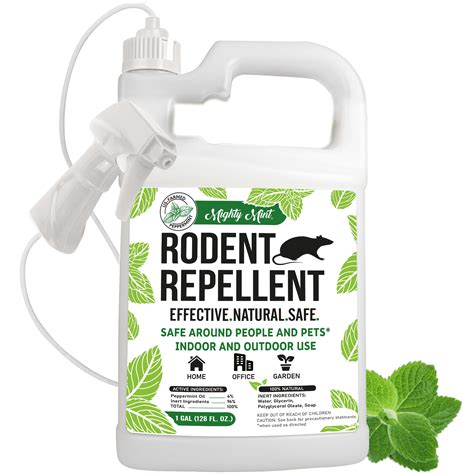
- Peppermint Oil: Rodents dislike the strong smell of peppermint. Place cotton balls soaked in peppermint oil in corners or entry points around your storage area, but not directly with your food.
- Dryer Sheets: Similar to peppermint, some people find dryer sheets repel mice and insects. Tuck them into crevices or under shelves.
- Cayenne Pepper/Chili Flakes: Sprinkling these around the perimeter of your storage area (not on food!) can deter crawling insects and some rodents due to the capsaicin.
5. Maintaining a Clean and Orderly Storage Area
This is perhaps the simplest yet most overlooked DIY method. A clean storage area is far less attractive to pests.
- Regular Cleaning: Sweep and vacuum your storage area regularly. Remove any dropped produce, crumbs, or debris immediately.
- Inspect Regularly: Routinely check your produce and storage containers for any signs of pest activity (droppings, gnaw marks, holes, insect larvae). Early detection is key.
- Seal Cracks and Gaps: Use caulk or steel wool to seal any holes, cracks, or gaps in walls, floors, or around pipes that pests could use as entry points into your storage space.
- Proper Ventilation: Good airflow prevents moisture buildup, which can attract certain insects and lead to mold, another form of spoilage. Ensure vents are covered with hardware cloth.
Conclusion: Vigilance is Key
Critter-proofing your garden produce storage doesn’t have to be complicated or expensive. By employing a combination of physical barriers, smart elevation, and diligent cleanliness, you can create a secure haven for your harvested bounty. Remember that no method is foolproof forever; regular inspection and proactive maintenance are essential to keep your produce safe and enjoy the fruits (and vegetables) of your labor for as long as possible.