Best DIY method for critter-proofing raised garden beds naturally?

Raised garden beds offer numerous benefits, from better drainage to easier access, but they’re not immune to the appetites of local wildlife. Protecting your precious plants naturally ensures a healthy harvest without resorting to harmful chemicals. This guide explores the best DIY methods to keep critters out, using humane and eco-friendly techniques.
Understanding Your Garden Invaders
Before implementing solutions, it’s crucial to identify your common garden pests. Are you battling furry foes like rabbits, squirrels, voles, or deer? Or are birds, slugs, and insects your main concern? Each critter requires a slightly different approach. Observation is key to tailoring the most effective natural defense strategy for your raised beds.
Physical Barriers: The First Line of Defense
When it comes to critter-proofing naturally, physical barriers are often the most effective. They create an impenetrable shield that prevents animals from reaching your plants.
Fencing and Netting
- Rabbit and Deer Fences: For rabbits, a fence at least 2-3 feet high with stakes every few feet should suffice. Bury the bottom 6 inches of the fence into the ground and bend it outwards in an L-shape to deter burrowing. For deer, a much taller fence (6-8 feet) is necessary, or consider a double-fence system. Use sturdy chicken wire or hardware cloth with small openings.
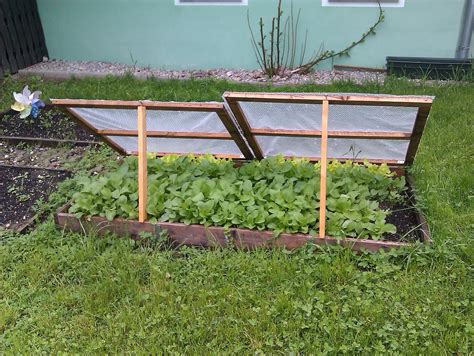
- Bird Netting: Drape fine mesh netting over hoops or a frame above your raised beds to protect berries and fruit from birds. Ensure the netting is taut and secured at the edges so birds don’t get trapped underneath.
- Hardware Cloth Bottoms: For ground-dwelling burrowers like voles and gophers, line the bottom of your raised bed with hardware cloth before adding soil. This creates a solid barrier they cannot chew through.

Natural Repellents and Scent Deterrents
Certain plants and natural substances can deter pests with their strong smells or tastes, encouraging them to find meals elsewhere.
Companion Planting
Strategic companion planting can act as a living repellent. Plants like marigolds, nasturtiums, garlic, onions, and mint are known to deter various pests, including nematodes, aphids, and even some larger animals. Plant these around the perimeter of your raised beds or intersperse them among your vegetables.
Scent-Based Deterrents
- Coffee Grounds: Spreading used coffee grounds around plants can deter slugs, snails, and even some cats due to the strong scent and rough texture.
- Chili Powder/Cayenne Pepper: A light dusting of chili powder or cayenne pepper on leaves can deter nibbling pests, though it needs frequent reapplication, especially after rain.
- Bar Soap: Hanging bars of strong-scented soap (like Irish Spring) from stakes around your garden beds can deter deer due to the unfamiliar scent.
- Essential Oils: Sprays made with peppermint, eucalyptus, or predator urine scents (available commercially) can be effective against specific animals.

Elevated Design and Strategic Placement
Sometimes, simply making your garden less accessible or less appealing can be an effective natural deterrent.
Higher Beds
While most raised beds are already off the ground, making them even taller (e.g., 2-3 feet high) can deter some smaller ground animals like rabbits, who may find it too much effort to jump in. This also makes it easier for you to work in the garden!
Garden Location
Place your raised beds closer to your home or in areas with more human activity. Animals are generally more hesitant to venture into high-traffic zones. Keep the area around your raised beds clean and free of weeds or debris that could provide cover for pests.

Humane Traps and Monitoring
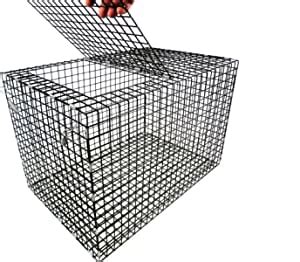
For persistent individual pests, humane trapping and relocation can be an option, but always check local regulations regarding wildlife trapping.
Live Traps
If you have a specific animal causing significant damage, a live trap can be used. Once caught, relocate the animal several miles away in a suitable natural habitat. Ensure you handle the animal safely and minimize stress.
Regular Monitoring
Familiarize yourself with signs of critter activity – tracks, droppings, or specific types of damage. Early detection allows you to address the problem before it escalates. Adjust your methods based on what you observe.
Integrated Pest Management (IPM) for Long-Term Success
The most successful critter-proofing strategies often involve a combination of methods. This integrated pest management (IPM) approach is sustainable and adaptable.
- Combine Barriers and Repellents: Use a physical fence with companion plants that emit repellent scents.
- Rotate Crops: While not directly critter-proofing, healthy plants are more resilient to pest damage.
- Be Patient and Persistent: Critters are often creatures of habit. It may take time and various attempts to find the perfect blend of deterrents for your garden.

Conclusion
Critter-proofing your raised garden beds naturally is an achievable goal that protects your plants and respects local wildlife. By implementing a combination of physical barriers, natural repellents, smart garden design, and consistent monitoring, you can create a thriving, critter-free oasis for your vegetables and flowers. Embrace these DIY methods and enjoy the fruits (and veggies!) of your labor.