
Best DIY method for organic pest control in a homestead vegetable patch?

Embracing Nature: Why Organic Pest Control Matters
For any homesteader, a thriving vegetable patch is a source of immense satisfaction. However, unwelcome guests in the form of pests can quickly turn that joy into frustration. Opting for organic pest control methods not only protects your precious harvest but also safeguards the delicate ecosystem of your garden and the health of your family. Ditching synthetic chemicals is a powerful step towards a truly sustainable homestead.
Prevention: Your First Line of Defense
The most effective pest control is prevention. A healthy garden is inherently more resilient to pest attacks. Start with vibrant, nutrient-rich soil, as strong plants are better equipped to fend off invaders. Implement crop rotation to break pest cycles and avoid depleting specific soil nutrients. Diversity is also crucial; monoculture invites pest outbreaks, while a mix of plants confuses pests and provides habitats for beneficial insects.
Companion Planting Wisdom
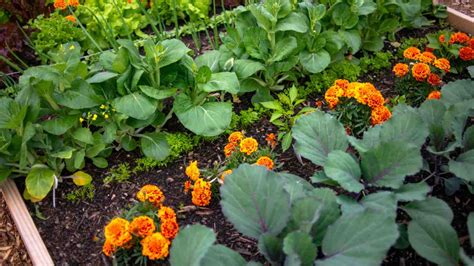
Strategically planting certain herbs and flowers alongside your vegetables can deter pests naturally. Marigolds, for instance, are known to repel nematodes and other soil pests, while nasturtiums can act as a trap crop for aphids, drawing them away from your main vegetables. Herbs like basil, rosemary, and mint also possess pest-repelling qualities.
DIY Organic Sprays and Solutions
When prevention isn’t quite enough, several homemade remedies can effectively combat common garden pests without resorting to harsh chemicals.
Neem Oil Spray
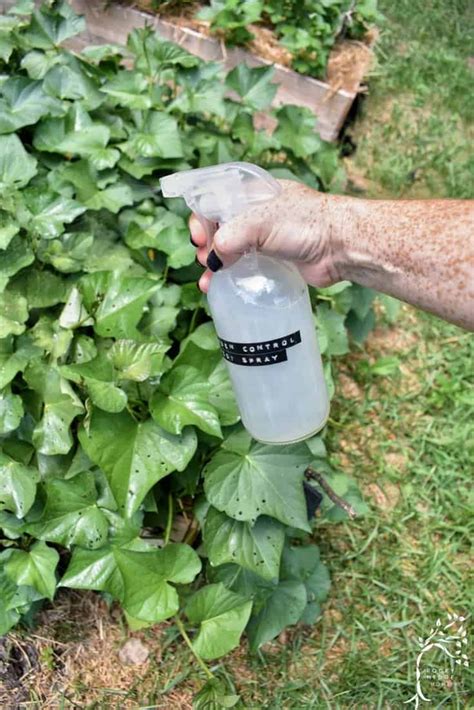
Derived from the neem tree, neem oil is a powerful natural insecticide that disrupts insect feeding and growth. Mix 1-2 tablespoons of cold-pressed neem oil with a teaspoon of mild liquid soap (as an emulsifier) per gallon of water. Spray thoroughly on affected plants, including the undersides of leaves, preferably in the late evening to avoid harming beneficial insects and plant burn.
Insecticidal Soap Spray
A simple solution of liquid dish soap and water can be surprisingly effective against soft-bodied insects like aphids, spider mites, and whiteflies. Mix 1-2 tablespoons of a pure, biodegradable liquid soap (avoid detergents with degreasers or additives) per gallon of water. Test on a small area first. The soap disrupts the insects’ cell membranes, causing dehydration.
Garlic or Chili Pepper Spray
Pests often dislike strong scents and tastes. Blend several cloves of garlic or a few hot chili peppers with a quart of water. Let it steep overnight, then strain the liquid. Add a teaspoon of mild liquid soap and dilute with more water before spraying. This can deter chewing insects and mammals.
Physical Barriers and Manual Removal
Sometimes, the simplest methods are the best. Physical protection and direct intervention can make a significant difference.
Row Covers
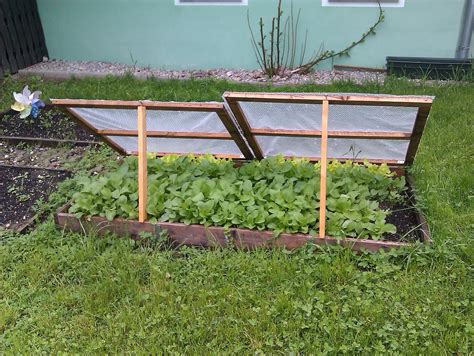
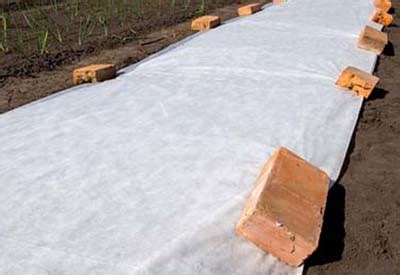
Lightweight row covers or fine netting can protect young seedlings and vulnerable plants from flying insects like cabbage moths, squash bugs, and cucumber beetles. Ensure the edges are secured to prevent pests from crawling underneath.
Hand-Picking
For larger pests like tomato hornworms, slugs, or potato beetles, hand-picking is a direct and immediate solution. Regularly inspect your plants and drop any collected pests into a bucket of soapy water.
DIY Traps
Beer traps (shallow dishes filled with beer) are excellent for slugs and snails. Yellow sticky traps can catch flying insects like whiteflies and fungus gnats. Place them strategically around your plants.
Inviting Nature’s Allies: Beneficial Insects
Cultivating an environment that attracts beneficial insects is perhaps the most sustainable long-term strategy for pest control. These “good bugs” prey on or parasitize common garden pests.
Key beneficial insects include ladybugs (aphid eaters), lacewings (larvae eat aphids, mites, and whiteflies), parasitic wasps (target caterpillars and aphids), and hoverflies. You can attract them by planting a variety of flowering plants with shallow blossoms, such as dill, cilantro, fennel, sweet alyssum, and marigolds. Providing a water source can also help.

Conclusion: A Holistic Approach for a Thriving Patch
Mastering organic pest control in your homestead vegetable patch is an ongoing journey of observation and learning. By combining preventative measures, DIY remedies, physical barriers, and the power of beneficial insects, you can create a balanced and resilient ecosystem. Embrace these natural methods, and you’ll enjoy a bountiful, chemical-free harvest that truly reflects the spirit of sustainable homesteading.