

Best DIY method for pest-proofing a raised garden bed?
Raised garden beds offer numerous advantages, from better soil control to easier access. However, they’re not immune to the persistent threat of pests. A successful harvest often hinges on proactive pest management. While chemical solutions exist, many gardeners prefer environmentally friendly, DIY methods to keep their produce healthy and safe. This article explores the best hands-on approaches to create an effective pest barrier for your raised garden.
Physical Barriers: The First Line of Defense
One of the most straightforward and effective ways to deter pests is to physically block their access.
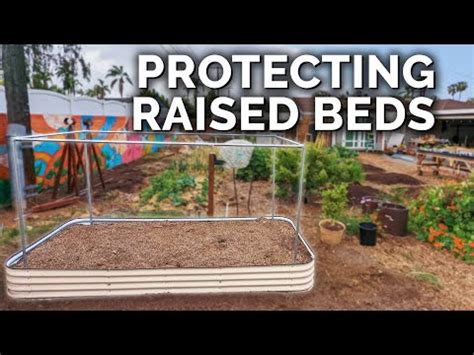
- Netting and Row Covers: Lightweight garden netting or floating row covers can be draped over hoops or directly over plants. This creates a physical barrier against flying insects like cabbage worms, squash bugs, and even larger pests like birds and rabbits, without impeding sunlight or airflow significantly. Ensure the edges are secured to the ground to prevent pests from crawling underneath.
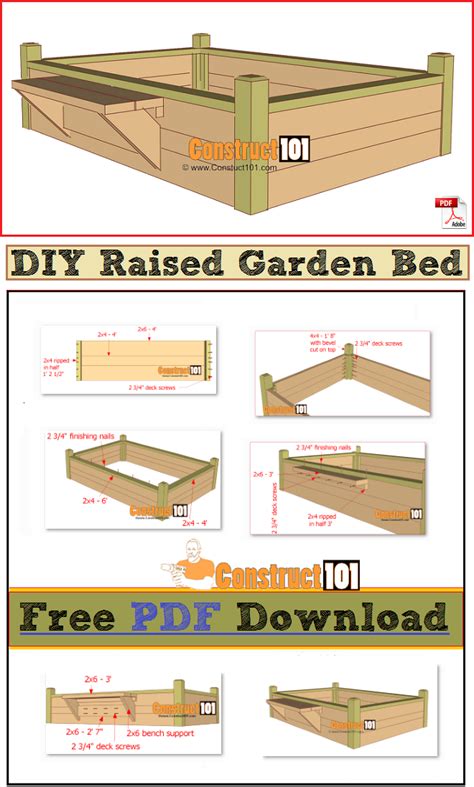
- Hardware Cloth & Wire Mesh: For burrowing pests like voles, gophers, and moles, lining the bottom of your raised bed with hardware cloth (1/4 inch or 1/2 inch mesh) before adding soil is crucial. Extend the mesh a few inches up the inside walls of the bed to create an impenetrable barrier. For larger animals like rabbits, a taller wire mesh fence around the perimeter of the bed, buried slightly, can be very effective.
Companion Planting: Nature’s Pest Repellent
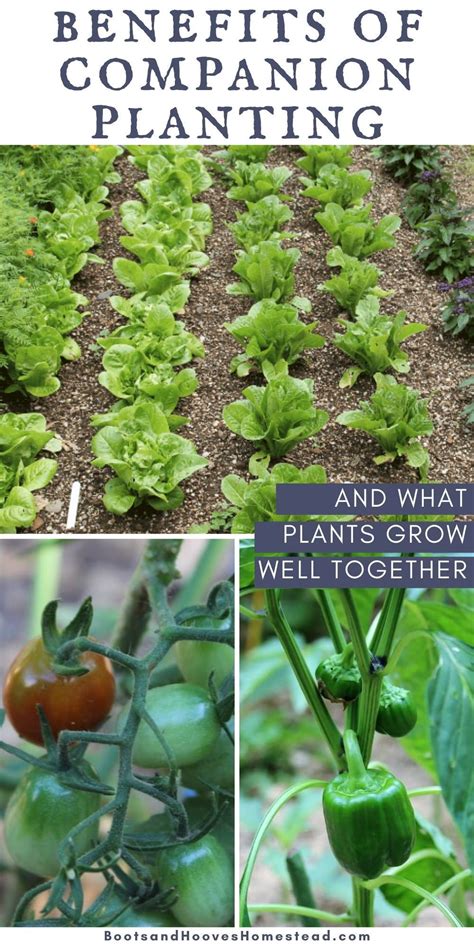
Harness the power of plant synergy by strategically planting specific species together. Certain plants naturally repel common garden pests, while others attract beneficial insects that prey on unwanted visitors.
- Pest-Repelling Plants: Marigolds are renowned for repelling nematodes and other soil pests. Nasturtiums can act as a trap crop for aphids, drawing them away from your main plants. Herbs like basil, mint, rosemary, and thyme can deter various insects, often due to their strong aromas.
- Beneficial Insect Attractors: Plant dill, fennel, cilantro, and cosmos to attract ladybugs, lacewings, and predatory wasps, which are natural enemies of aphids, mites, and caterpillars.
Strategic Fencing and Elevated Beds
For larger garden invaders, a simple fence can make all the difference.
- Perimeter Fencing: If rabbits, deer, or even domestic pets are a problem, a fence around your raised bed area is essential. The height and mesh size will depend on the target pest. For rabbits, a 2-3 foot high fence with small mesh, buried a few inches into the ground, is usually sufficient. Deer require a much taller fence, typically 7-8 feet high.
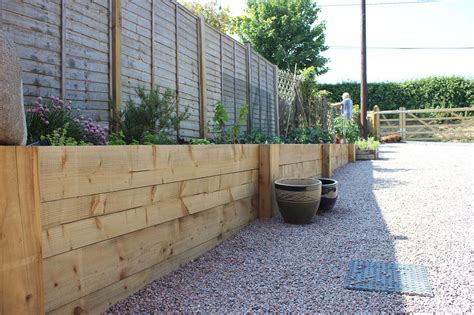
- Elevated Bed Design: While all raised beds are elevated to some degree, making them taller (e.g., 2-3 feet off the ground) can deter some ground-dwelling pests without needing a full fence. This is particularly useful against slugs and snails, though they can still climb.
Organic Pest Deterrents and Traps
Beyond physical barriers and planting strategies, several organic methods can help manage pests.
- Diatomaceous Earth (DE): Food-grade DE is a natural, fine powder made from fossilized diatoms. When sprinkled on plants or around the base of beds, its microscopic sharp edges cut through the exoskeletons of soft-bodied insects like slugs, snails, and aphids, dehydrating them. Apply when dry and reapply after rain.
- Sticky Traps: Yellow sticky traps can be effective for catching flying insects like whiteflies, fungus gnats, and winged aphids. Place them strategically among your plants.
- Hand-Picking: For larger pests like tomato hornworms or slugs, often the most effective and immediate solution is good old hand-picking. Regularly inspect your plants, especially in the early morning or evening.
- Beer Traps for Slugs: A shallow dish filled with beer buried flush with the soil surface will attract and drown slugs and snails.

Healthy Soil and Plant Practices
A robust, healthy plant is less susceptible to pest infestations. Good gardening practices are a foundational element of pest control.
- Healthy Soil: Rich, well-draining soil promotes strong plant growth. Incorporate plenty of organic matter like compost to improve soil structure and nutrient availability.
- Crop Rotation: While raised beds limit rotation options somewhat, try to rotate crops within different sections of your bed each year to prevent pest buildup specific to certain plant families.
- Proper Watering and Spacing: Overwatering can create damp conditions favored by slugs and fungus gnats, while underwatering stresses plants. Adequate spacing improves air circulation, reducing fungal diseases that can weaken plants and make them more vulnerable to pests.
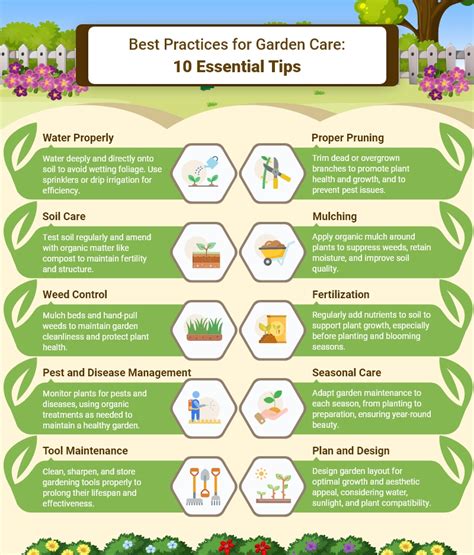
Pest-proofing your raised garden bed doesn’t have to involve harsh chemicals. By implementing a combination of physical barriers, strategic planting, organic deterrents, and sound gardening practices, you can create a thriving environment that naturally resists common garden pests. Regular observation and a proactive approach are key to enjoying a bountiful, pest-free harvest from your DIY-protected raised garden.