Best DIY method for pest-proofing a raised garden bed naturally?

Creating a raised garden bed offers numerous benefits, from better soil drainage to easier access. However, just like any garden, it’s susceptible to unwanted visitors—pests that can decimate your precious plants. The good news is that you don’t need harsh chemicals to keep them at bay. This guide will walk you through the best DIY methods for naturally pest-proofing your raised garden bed, fostering a thriving ecosystem without compromising your harvest’s health.
Understanding Your Garden Pests
Before implementing solutions, it’s helpful to identify common garden pests in your region. Slugs, snails, aphids, cutworms, squash bugs, and various beetles are frequent culprits. Observing their activity and damage patterns will help you choose the most effective natural defense strategies.
The Foundation: Healthy Soil and Plants
A strong defense starts with a strong offense—healthy plants are naturally more resistant to pests. Ensure your raised bed has rich, well-draining soil, adequate sunlight, and consistent watering. Stress plants are vulnerable plants. Use organic compost and natural fertilizers to build soil health, which in turn nurtures robust plants better equipped to withstand pest attacks.
Physical Barrier Methods: Your First Line of Defense
Physical barriers are incredibly effective and non-toxic. They prevent pests from reaching your plants in the first place.
Row Covers
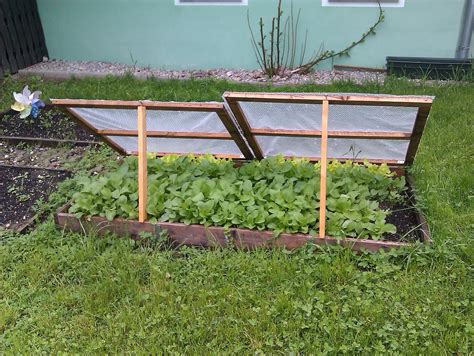
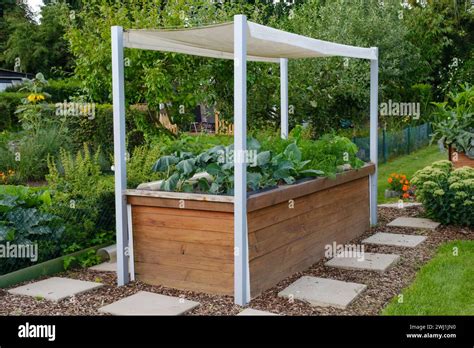
Lightweight row covers, made from fine mesh or spun-bonded fabric, can be draped over hoops above your raised bed. They allow sunlight and water through but keep out insects like cabbage moths, squash bugs, and flea beetles. Ensure the edges are secured to the ground to prevent pests from crawling underneath.
Copper Tape
For slugs and snails, copper tape applied around the perimeter of your raised bed can create an effective barrier. When slugs and snails attempt to cross the copper, they experience a mild electrical shock, deterring them from entering.
Fine Mesh or Hardware Cloth
If you’re dealing with larger pests like rabbits, squirrels, or even curious neighborhood cats, consider installing a fine mesh or hardware cloth fence around the perimeter of your raised bed. For underground dwellers like voles, line the bottom of your raised bed with hardware cloth before filling it with soil.

Companion Planting: Nature’s Symbiotic Solutions
Harness the power of nature by planting specific herbs and flowers alongside your vegetables. Companion planting can repel pests, attract beneficial insects, or even improve the growth of neighboring plants.
- Marigolds: Known for deterring nematodes and other soil-borne pests, as well as some insects like Mexican bean beetles and squash bugs.
- Nasturtiums: Act as a trap crop, drawing aphids away from more desirable plants. They also repel squash bugs and cucumber beetles.
- Garlic and Onions: Their strong scent deters a wide range of pests, including aphids, slugs, and onion maggots.
- Mint: Repels aphids, flea beetles, and some ants. Be cautious, as mint can be invasive; consider planting it in containers within your raised bed.
- Rosemary, Thyme, and Basil: Repel various flying insects like carrot rust flies, cabbage moths, and mosquitoes.

Natural Repellents and Treatments
When pests do appear, natural concoctions can offer a gentle yet effective solution.
Neem Oil Spray
Derived from the neem tree, neem oil is a powerful organic pesticide that disrupts insect feeding and growth cycles. Mix it with water and a small amount of mild soap (as an emulsifier) and spray it on affected plants, ideally in the evening to avoid harming beneficial insects.
Diatomaceous Earth (DE)
Food-grade diatomaceous earth is a finely ground powder made from fossilized diatoms. Its microscopic sharp edges dehydrate and kill soft-bodied insects like slugs, snails, and aphids upon contact. Sprinkle it lightly around the base of plants or directly onto pests when the foliage is dry.
DIY Garlic or Pepper Sprays
Homemade sprays using strong-smelling ingredients like garlic, hot peppers, or even dish soap can deter pests. Steep chopped garlic or chili peppers in water, strain, and mix with a drop of soap before spraying. Test on a small area of a plant first to ensure it doesn’t cause damage.

Attracting Beneficial Insects
Some insects are your garden’s best friends, preying on common pests. Create a welcoming environment for ladybugs, lacewings, hoverflies, and predatory wasps.
- Plant flowers: Dill, fennel, parsley, cilantro (allow to flower), yarrow, cosmos, and sweet alyssum are excellent choices for attracting beneficials.
- Provide water: A shallow dish with pebbles for landing can attract these helpful allies.
- Avoid broad-spectrum pesticides: Even organic ones can harm beneficial populations, so use targeted approaches.
Regular Maintenance and Monitoring
Consistency is key in natural pest control. Regularly inspect your plants for early signs of pests or disease. Hand-pick larger pests like slugs and caterpillars. Remove any diseased or heavily infested plant parts immediately. Keep your raised bed free of weeds, which can harbor pests and compete with your plants for nutrients.

Conclusion
Naturally pest-proofing your raised garden bed is an ongoing process that combines prevention, observation, and targeted intervention. By implementing a multi-faceted approach involving healthy soil, physical barriers, companion planting, natural repellents, and attracting beneficial insects, you can create a resilient and vibrant garden ecosystem. Embrace these DIY methods to enjoy a bountiful, chemical-free harvest and a truly sustainable gardening experience.