Best DIY method for preserving garden harvest without electricity?
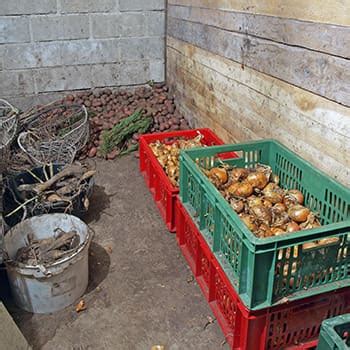
Embracing Off-Grid Preservation for Your Bountiful Harvest
As gardeners, we often face a joyous dilemma: an abundant harvest that threatens to spoil before we can enjoy it all. While modern freezers and dehydrators offer convenience, relying solely on electricity can be a vulnerability, especially for those seeking self-sufficiency or living off-grid. Thankfully, time-tested methods exist that allow you to preserve your garden’s bounty using minimal resources and zero electricity. These techniques not only extend the shelf life of your produce but also connect you to a rich history of sustainable living.

The Power of Sun and Air: Natural Drying Methods
Drying is perhaps the oldest and simplest form of food preservation, relying on natural evaporation to remove moisture and inhibit spoilage. It’s incredibly versatile for fruits, vegetables, and herbs.
Solar Dehydration
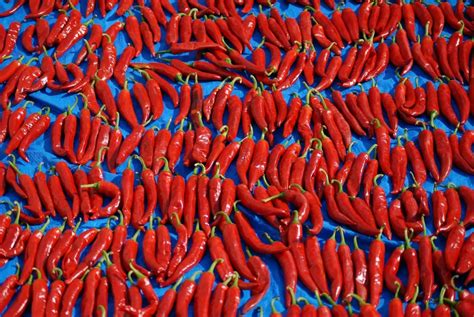
A solar dehydrator, often a simple DIY box with a clear top, allows you to harness the sun’s energy to dry slices of fruit (apples, pears, berries), vegetables (tomatoes, zucchini, peppers), and herbs. Ensure good air circulation and protect food from pests. The process can take several days, depending on humidity and sun intensity, but yields nutrient-dense, shelf-stable snacks and ingredients.
Air Drying Herbs and More
For many herbs like basil, oregano, thyme, and lavender, simply hanging them in small bundles upside down in a warm, dry, and dark place is sufficient. Root vegetables like garlic and onions also benefit from air curing in a well-ventilated space for long-term storage, allowing their outer skins to toughen and seal.
Fermentation: A Living Preservation Method
Fermentation is an ancient technique that transforms food using beneficial microorganisms, creating unique flavors and extending shelf life. It requires no electricity and enhances nutritional value.
Lacto-Fermentation Basics
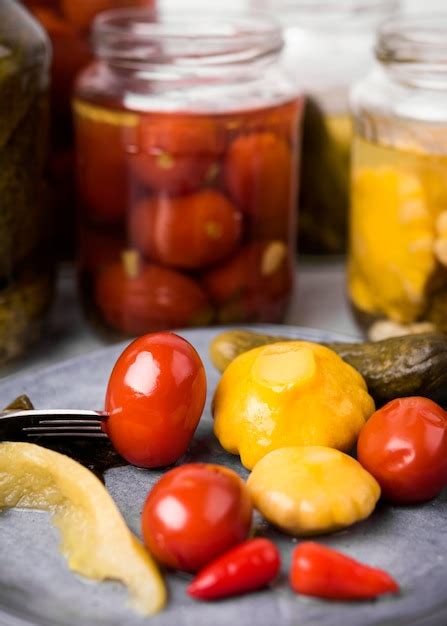
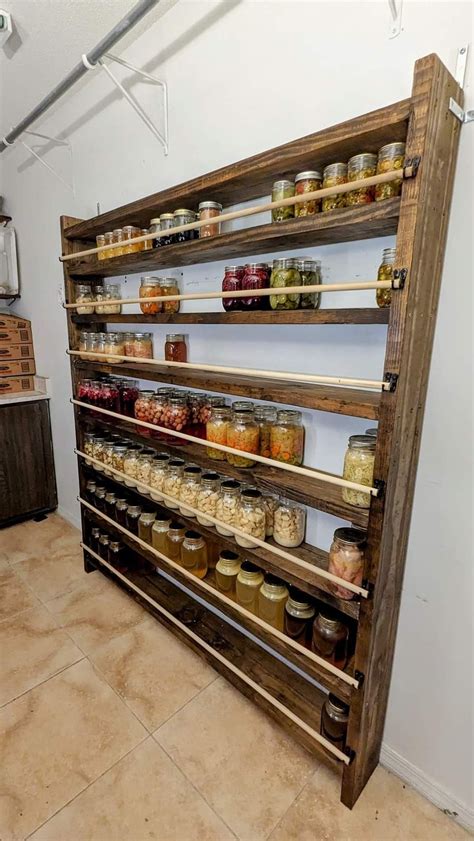
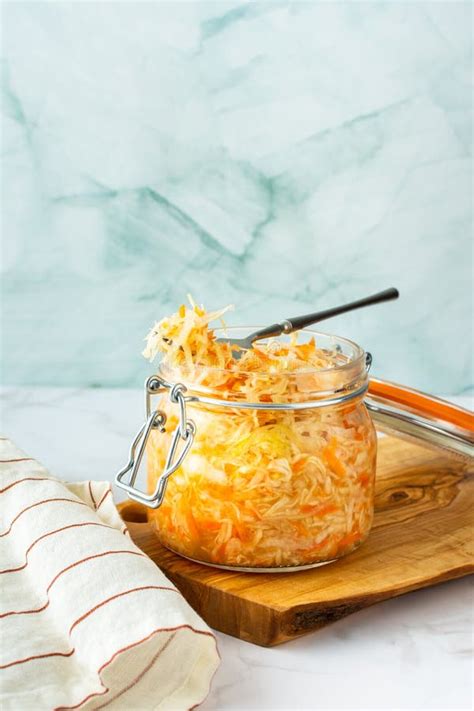
Commonly used for vegetables like cabbage (sauerkraut), cucumbers (pickles), and carrots, lacto-fermentation involves submerging vegetables in a brine (salt and water) in an airtight container. The salt inhibits harmful bacteria, allowing beneficial lactic acid bacteria to thrive. These bacteria produce lactic acid, which preserves the food and gives it a characteristic tangy flavor. It’s a remarkably simple process that yields delicious, probiotic-rich foods.
The Timeless Efficacy of Root Cellaring
A root cellar provides cool, dark, and humid conditions ideal for storing many root vegetables, fruits, and even some leafy greens for months. It’s a truly passive preservation system that, once established, requires no ongoing energy input.
Building a Simple Root Cellar
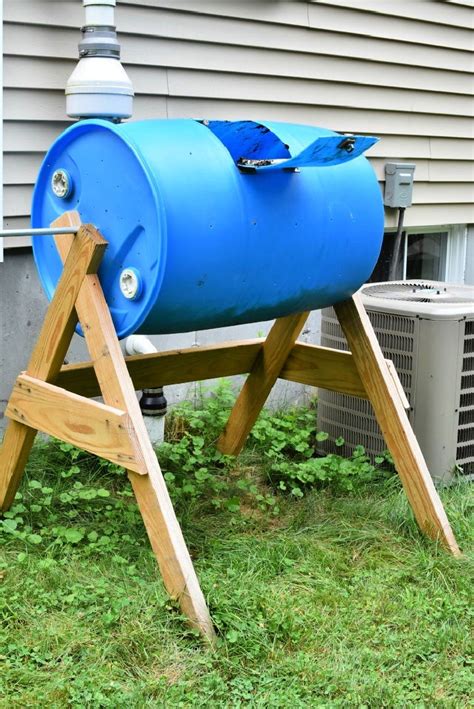
You don’t need a fancy underground structure. A simple root cellar can be a designated cool, unheated pantry, a buried barrel, or even a section of an unheated basement or garage. The key is stable temperatures (just above freezing, 35-50°F or 2-10°C) and high humidity (85-95%). Ensure good air circulation and rodent protection.
Ideal Crops for Root Cellars
Carrots, potatoes, beets, parsnips, turnips, apples, and cabbage all thrive in root cellar conditions. Store them properly – some in sand or sawdust to maintain moisture, others simply in bins or on shelves – and periodically check for spoilage.

Salting and Curing: An Ancient Practice Revived
While often associated with meat, salting can also be used for certain vegetables to draw out moisture and inhibit bacterial growth. This method is excellent for green beans (salt-cured beans), some root vegetables, and even preserving herbs in salt.
The high concentration of salt acts as a dehydrating agent and creates an environment hostile to most spoilage microorganisms. While it often requires rinsing before use, salt-preserved foods can last for extended periods without refrigeration.
The Best DIY Method: A Synergistic Approach
There isn’t one single “best” method, as the ideal choice depends on your specific harvest, climate, and resources. However, for most home gardeners seeking electricity-free preservation, a synergistic approach combining root cellaring, solar drying, and fermentation offers the most robust and versatile solution.
- Root Cellaring handles your bulk, long-term storage of hardy vegetables and fruits.
- Solar Drying creates lightweight, nutrient-dense ingredients and snacks from a wide variety of produce.
- Fermentation adds probiotic benefits and unique flavors, perfect for smaller batches of vegetables.
By mastering these three techniques, you can significantly reduce your reliance on modern appliances, enjoy your garden’s bounty year-round, and embrace a more sustainable, resilient lifestyle. Experiment with different foods and methods to discover what works best for your homestead.