


Best DIY method for preserving garden tomatoes without canning supplies?

Harvesting Your Bounty: Why Preserve Without Canning?
Every gardener knows the joy (and occasional overwhelm) of a prolific tomato harvest. When your plants are bursting with ripe, juicy fruits, finding ways to preserve their goodness for colder months becomes a top priority. While traditional canning is a fantastic method, it often requires specialized equipment like canners, jars, lids, and a certain level of expertise. But what if you don’t have those supplies or prefer a simpler approach? The good news is that you can absolutely extend the life of your garden tomatoes with effective, easy DIY methods that require minimal tools and effort.
This guide explores the best, most straightforward techniques to preserve your tomato harvest without ever needing a canning pot.
Method 1: Freezing Tomatoes – The Easiest Option
Freezing is arguably the simplest and most accessible way to preserve tomatoes without any canning equipment. It requires little to no cooking and allows you to store tomatoes in various forms, making them versatile for future recipes.
Option A: Freezing Whole or Halved Tomatoes
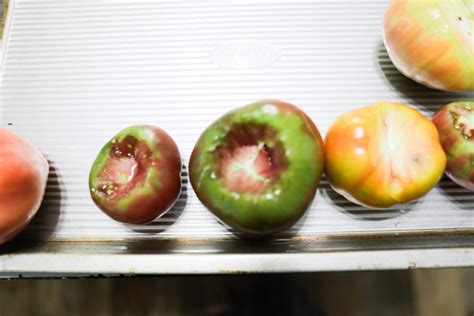
For minimal effort, simply wash your tomatoes, remove the core, and pat them dry. For larger tomatoes, you might want to cut them in half. Arrange them in a single layer on a baking sheet lined with parchment paper and freeze until solid. Once frozen, transfer them to freezer-safe bags or containers, squeezing out as much air as possible to prevent freezer burn. They’ll keep for up to a year. When ready to use, simply run them under warm water, and the skins will slip right off, leaving you with perfectly softened tomatoes for sauces, soups, or stews.
Option B: Freezing Pureed Tomatoes or Simple Sauce
If you prefer a more “ready-to-go” ingredient, you can blanch, peel, and then puree your tomatoes. Alternatively, cook them down into a simple sauce or paste (without herbs/spices, so it’s versatile later). Let the puree or sauce cool completely, then portion it into freezer-safe containers, ice cube trays (for smaller portions), or heavy-duty freezer bags. Lay bags flat to freeze for easy stacking. This method is excellent for making future pasta sauces, chilis, or stews a breeze.
Method 2: Oven-Drying Tomatoes – Concentrated Flavor
Oven-drying, or making your own “sun-dried” tomatoes indoors, is a fantastic way to concentrate the sweet, tangy flavors of your harvest. While it takes longer than freezing, the result is a gourmet ingredient perfect for salads, pasta dishes, appetizers, and more. All you need is your oven and some patience.
Start by washing and slicing your tomatoes (roma or paste tomatoes work best due to lower water content, but any variety can be used) into uniform 1/4 to 1/2-inch thick pieces or halves. Remove the seeds and excess liquid if desired. Arrange them cut-side up on baking sheets lined with parchment paper. Lightly sprinkle with salt, which helps draw out moisture and enhances flavor.
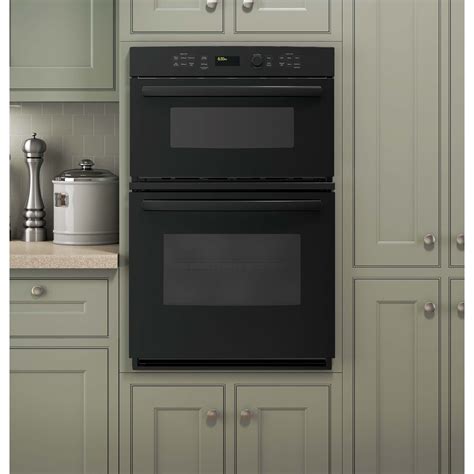
Set your oven to its lowest temperature, typically around 175-200°F (80-93°C). Prop the oven door open slightly with a wooden spoon to allow moisture to escape. Bake for 6-12 hours or even longer, depending on your tomatoes’ water content and desired dryness. Flip them occasionally. They are done when they are leathery and pliable but no longer moist. Let them cool completely.
Storing Oven-Dried Tomatoes
Once fully cooled, store your oven-dried tomatoes in airtight containers at room temperature for a few weeks, or in the refrigerator for a few months. For longer preservation (up to a year), you can pack them tightly into jars and cover them completely with olive oil (ensure tomatoes are fully submerged to prevent spoilage). Keep oil-packed tomatoes refrigerated.

Method 3: Quick Sauce & Roasting for Freezer Storage
A variation on freezing, making a larger batch of roasted tomato sauce or a simple cooked sauce is a wonderful way to preserve a significant amount of tomatoes with rich flavor. Roasting intensifies their sweetness and creates a depth of flavor that’s hard to beat.
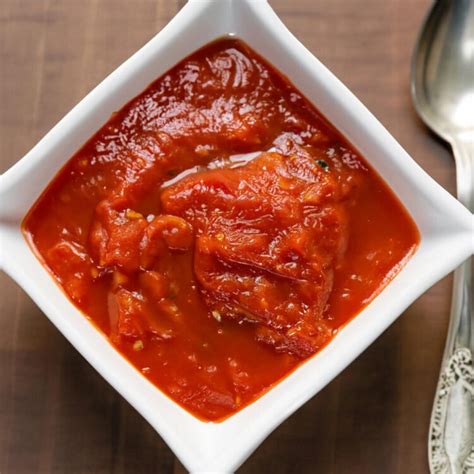
Wash and halve your tomatoes, tossing them with a drizzle of olive oil, salt, and pepper (garlic or onions can be added too). Roast them on a baking sheet at 400°F (200°C) until softened and slightly caramelized, about 30-45 minutes. Once cooled, you can either puree them into a sauce or mash them for a chunkier consistency. Store in freezer-safe containers or bags, similar to pureed tomatoes.
Other Considerations for Preserving Tomatoes
While freezing and oven-drying are your top contenders for long-term storage without canning, remember these tips:
- Use Ripe Tomatoes: Always use the freshest, ripest tomatoes for the best flavor and texture in your preserved goods.
- Label Everything: Clearly label all your containers and bags with the date and contents.
- Check for Freezer Burn: Ensure air is expelled from freezer bags to prevent freezer burn, which can degrade quality.
- Don’t Overcrowd: When freezing or drying, don’t overcrowd trays; allow for proper air circulation.
Enjoy Your Garden’s Bounty Year-Round
With these simple, no-canning DIY methods, you can easily preserve the vibrant taste of summer tomatoes to enjoy throughout the year. Whether you opt for the convenience of freezing or the concentrated flavor of oven-drying, you’ll be well-equipped to transform your garden’s abundance into delicious meals, without needing any specialized equipment or advanced culinary skills. Happy preserving!