

Best DIY method for sealing drafty old farmhouse windows naturally?

Embracing Warmth: The Charm and Challenge of Old Farmhouse Windows
Old farmhouse windows possess undeniable character, infusing a home with history and rustic charm. However, their beauty often comes with a common drawback: drafts. Leaky windows can significantly impact your home’s energy efficiency, leading to higher heating bills and uncomfortable living spaces. While modern solutions abound, many homeowners seek natural, DIY methods that respect the integrity of their historic windows and avoid harsh chemicals or plastics.
Sealing these drafts naturally is not only environmentally friendly but can also be a deeply satisfying project, allowing you to connect with your home’s past while securing its future comfort. The key lies in understanding where drafts originate and applying appropriate, often traditional, materials and techniques.
Understanding Your Drafty Windows
Before you begin sealing, it’s crucial to identify the source of the drafts. Walk around your windows, especially on a windy day, and feel for cold air currents. Common culprits in old farmhouse windows include:
- Loose Sashes: The moving parts of double-hung windows can shrink and warp over time, creating gaps.
- Cracked or Missing Glazing Putty: The sealant holding glass panes in place often deteriorates, allowing air to seep through.
- Worn Weatherstripping: Original weatherstripping, if present, is likely brittle or completely gone.
- Gaps Around the Frame: The frame itself might have separated from the house siding or interior trim.
A simple smoke test (using an incense stick or lit candle) can help pinpoint invisible leaks. Watch where the smoke wavers or the flame flickers to reveal hidden entry points for cold air.

Method 1: Natural Weatherstripping Solutions
Weatherstripping is a fundamental defense against drafts, particularly for operable windows. For a natural approach, consider these options:
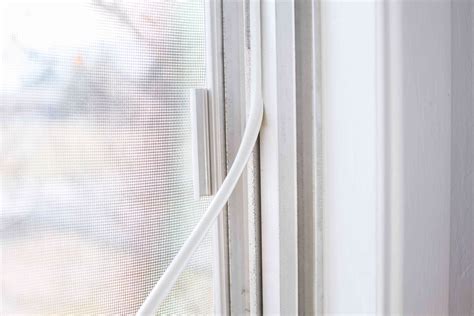
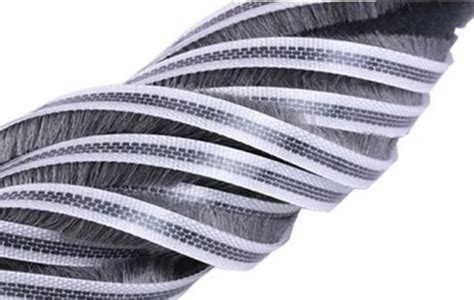
- Wool Felt or Cotton Rope: These materials can be tucked into the channels of sash windows, around the perimeter of the sashes, or along the bottom rail. They compress when the window is closed, creating a tight seal, and expand to fill gaps. They are breathable, flexible, and easy to replace.
- Adhesive-Backed Felt: While some adhesive strips can be synthetic, you can find options made with natural wool felt. These are easy to apply to the contact points of your window sashes and frames. Ensure the surface is clean and dry for best adhesion.
When installing, always test the window’s operation to ensure it still opens and closes smoothly without excessive force. The goal is to create a snug fit, not to jam the window shut.
Method 2: Linseed Oil Putty for Glazing Repair
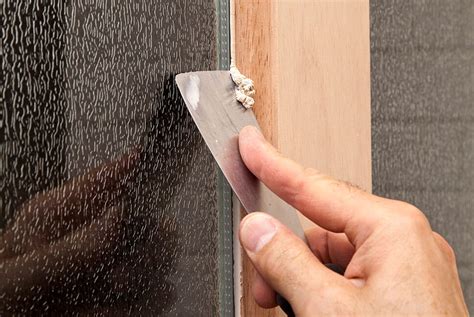
Cracked, loose, or missing glazing putty is a prime culprit for drafts and often overlooked. Traditional linseed oil-based glazing putty is a historically accurate and natural solution that remains flexible for years. It’s ideal for securing glass panes back into their frames.
To use, carefully remove all old, loose putty. Clean the sash thoroughly. Roll the new putty into a rope, press it firmly into the rabbet (the groove where the glass sits), and then set the glass pane. Secure with glazier’s points if needed, and then apply a final layer of putty, tooling it smoothly at a 45-degree angle to shed water. Allow it to cure fully before painting, typically several weeks, depending on humidity.
Method 3: DIY Draft Snakes and Fabric Seals
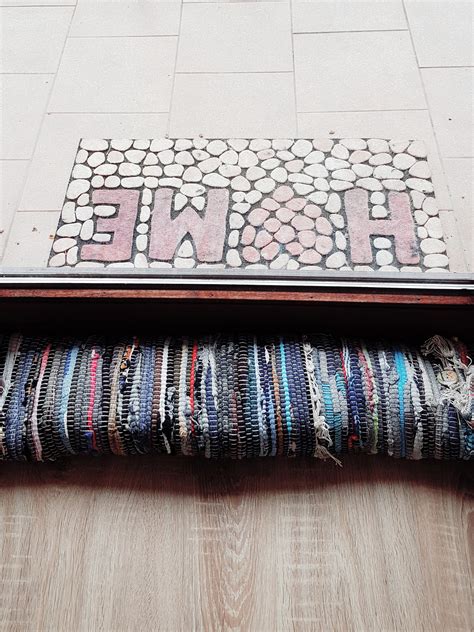
For drafts coming from the bottom of sashes or doors, a simple DIY draft snake is an incredibly effective and completely natural solution. These fabric tubes, filled with insulating material, block cold air at the sill.
To make one, choose a durable fabric (old denim, wool, or canvas work well). Sew a tube long enough to span the width of your window. Fill it with natural, dense materials like dried rice, beans, sand, or even old fabric scraps and cedar shavings for a pleasant scent. Seal the ends, and place it firmly against the window sill. These are easy to move when you want to open the window and can be decorative.
For smaller gaps, consider rolling up old towels or thick blankets and tucking them tightly into crevices as a temporary, quick fix, especially during extreme cold snaps.
Method 4: The Power of Heavy Textiles
While not a direct seal, heavy window treatments act as an excellent natural barrier against drafts and radiant heat loss. Investing in thick, insulated curtains or blinds can make a significant difference.
- Wool or Thermal Curtains: Hang curtains that are several inches wider than your window frame and long enough to reach the floor or sill. This creates a pocket of insulating air between the window and the room.
- Layering: Combine heavy curtains with natural fabric blinds or shades for an extra layer of protection.
- Cornices and Valances: These decorative elements can also help trap air, preventing it from circulating down into the room from the top of the window.
Opening these treatments during sunny days can allow passive solar gain, further warming your home naturally.
Additional Natural Tips and Maintenance
Beyond these primary methods, ongoing maintenance and small adjustments can significantly contribute to a draft-free environment:
- Sash Locks: Ensure your window sash locks are engaged. They pull the sashes tightly together, reducing air infiltration between them.
- Regular Inspection: Periodically check your natural seals. Felt can wear down, and putty can eventually crack. Early detection prevents minor issues from becoming major drafts.
- Cleanliness: Keep window channels and frames free of dirt and debris, which can impede the proper sealing of sashes and weatherstripping.
By employing these natural, DIY methods, you can effectively seal drafty old farmhouse windows, enhancing comfort and energy efficiency while preserving the authentic character and history of your beloved home. It’s a testament to the fact that sometimes, the best solutions are the simplest and most traditional.