Best DIY method to preserve garden herbs without a freezer?
The Art of Freezer-Free Herb Preservation
Harvesting a bounty of fresh herbs from your garden is one of summer’s great joys. But what do you do when your basil plant is overflowing, or your mint patch is rampant, and your freezer is already packed? Fear not! Preserving herbs without a freezer is not only possible but often enhances their flavor and creates beautiful, shelf-stable additions to your pantry. This guide explores the most effective and accessible DIY methods to ensure your garden’s goodness lasts through the colder months.
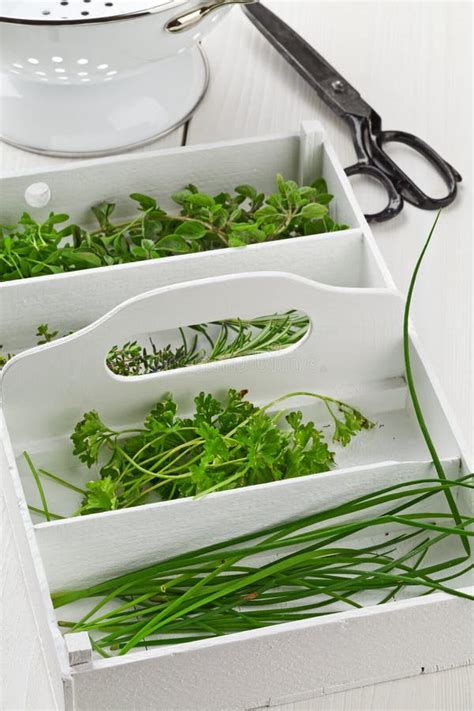
Method 1: The Time-Honored Tradition of Drying Herbs
Drying is arguably the most common and versatile method for preserving herbs without refrigeration. It works wonderfully for a wide range of herbs, from woody varieties like rosemary and thyme to more delicate ones like oregano and mint.
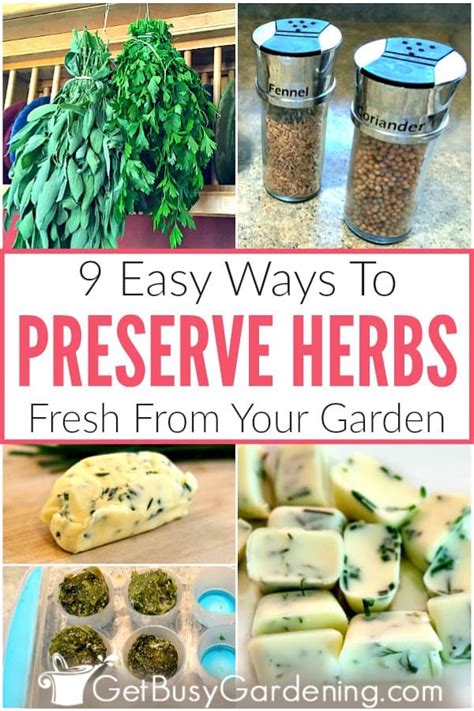
Air Drying (Best for Woody Herbs)
Air drying is a simple, low-cost method perfect for herbs with lower moisture content and sturdy stems. Think rosemary, thyme, oregano, bay leaves, sage, and marjoram.
Steps:
- Harvest: Gather herbs in the morning after the dew has dried but before the sun is too strong. Look for healthy, unblemished leaves.
- Clean: Gently rinse if necessary and pat thoroughly dry. Remove any damaged leaves or thick woody stems that won’t be used.
- Bundle: Tie small bundles (about 5-10 stems) together at the base with twine or a rubber band. Don’t make the bundles too large, as this can hinder airflow and encourage mold.
- Hang: Hang the bundles upside down in a warm, dry, well-ventilated area away from direct sunlight. A pantry, attic, or even a corner of a kitchen can work, as long as there’s good air circulation.
- Monitor: Herbs typically dry in 1-3 weeks. They are ready when the leaves are brittle and crumble easily.
- Store: Once completely dry, strip the leaves from the stems and store them whole or lightly crushed in airtight containers (glass jars are ideal) in a cool, dark place. Whole leaves retain flavor longer.

Oven Drying or Dehydrator (Faster for All Herbs)
For those with less patience or living in humid climates, oven drying or using a food dehydrator offers a faster alternative. These methods are suitable for a wider range of herbs, including softer ones like parsley and cilantro, though their flavor might be less intense than air-dried counterparts.
Dehydrator Steps:
- Prepare: Wash and thoroughly dry herbs. Lay single layers of leaves or small sprigs on dehydrator trays, ensuring no overlapping.
- Dehydrate: Set the dehydrator to a low temperature (usually 95-105°F or 35-40°C). Drying can take 1-4 hours, depending on the herb and humidity.
- Check: Herbs are dry when they crumble easily.
- Store: Transfer to airtight containers once cooled.
Oven Drying (Low Heat Only):
- Prepare: Lay clean, dry herbs on baking sheets lined with parchment paper.
- Bake: Place in an oven set to its lowest temperature (ideally 100-150°F / 38-65°C) with the door slightly ajar to allow moisture to escape.
- Monitor: Turn herbs occasionally. This can take several hours. Be careful not to ‘cook’ them.
- Store: Once crisp, remove, cool, and store as above.

Method 2: Preserving Herbs in Oil & Vinegar
Beyond drying, you can capture the essence of your herbs in liquid form, creating flavorful infusions that elevate your cooking.
Herb-Infused Oils (Use with Caution)
Infusing herbs in oil creates aromatic oils perfect for dressings, marinades, or finishing dishes. While delicious, fresh herbs in oil pose a botulism risk if not handled correctly due to their moisture content and lack of oxygen.
To make safe herb oils:
- Use Dried Herbs Only: The safest method is to infuse dried herbs in oil.
- Refrigerate and Use Quickly: If using fresh herbs, ensure they are thoroughly washed and completely dry. Macerate them to release oils. Submerge in good quality olive oil. Always refrigerate these oils and use them within 1-2 weeks. Do not store at room temperature.
- Commercial Preservation: For shelf-stable herb oils, professional methods involving acidification are required.
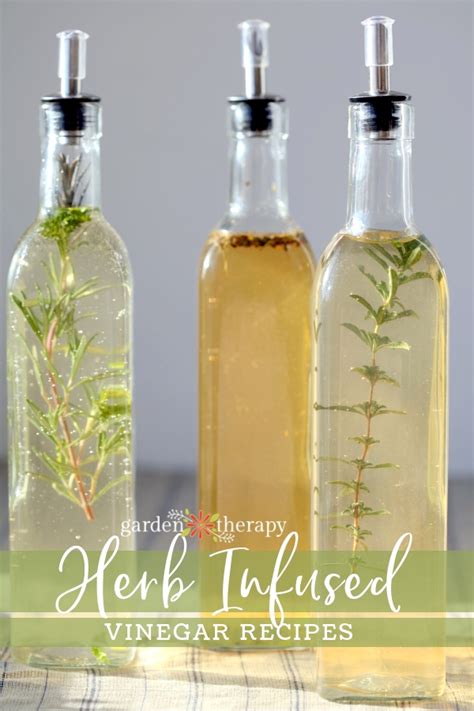
Herb-Infused Vinegars
Herb vinegars are a fantastic way to capture fresh flavors without the botulism concerns of fresh herb oils. They make wonderful gifts and add a gourmet touch to salads, sauces, and marinades.
Steps:
- Choose Herbs: Rosemary, thyme, oregano, basil, tarragon, dill, and chives all work well.
- Prepare: Gently bruise herbs (e.g., by rolling them between your hands) to release their oils. Pack a clean, sterilized glass jar loosely with herbs.
- Add Vinegar: Heat white wine vinegar, apple cider vinegar, or champagne vinegar just until warm (not boiling). Pour over the herbs, ensuring they are completely submerged.
- Infuse: Seal the jar and let it infuse in a cool, dark place for 2-4 weeks. Shake gently every few days.
- Strain & Bottle: Strain out the herbs through a fine-mesh sieve or cheesecloth. Pour the infused vinegar into clean, sterilized bottles. You can add a fresh sprig of the herb to each bottle for visual appeal.
- Store: Store in a cool, dark pantry. They can last for several months.
Method 3: Crafting Flavorful Herb Salts
Herb salts are a simple, delightful way to preserve the essence of tender herbs like parsley, cilantro, basil, and chives. The salt draws out the moisture and infuses itself with the herb’s flavor, resulting in a versatile seasoning.
Steps:
- Combine: Roughly chop your chosen fresh herbs. For every cup of chopped herbs, use about 1/2 to 1 cup of coarse sea salt or kosher salt.
- Process: Combine herbs and salt in a food processor. Pulse until the herbs are finely chopped and evenly distributed throughout the salt. The mixture will be moist.
- Dry: Spread the herb salt mixture thinly on a baking sheet lined with parchment paper. Allow it to air dry at room temperature for several days, stirring daily, until completely dry and crumbly. Alternatively, use a very low oven (100-150°F / 38-65°C) with the door ajar for a few hours until dry.
- Store: Once completely dry, transfer to airtight jars. Store in a cool, dark pantry. It can last for 6 months to a year or more.

Conclusion: Enjoying Your Garden’s Bounty All Year
With these accessible DIY methods, you can confidently preserve your garden’s herb harvest without relying on a freezer. Whether you choose to air dry fragrant bundles, infuse aromatic vinegars, or create savory herb salts, you’ll be able to savor the taste of summer long after the growing season has ended. Experiment with different herbs and techniques to find your favorite ways to keep your pantry stocked with garden goodness.