Best DIY methods for naturally preserving excess garden herbs without electricity?

The bounty of a garden is a joyous thing, but often, the sheer volume of fresh herbs can overwhelm even the most enthusiastic home cook. When the harvest is abundant and electricity is not an option for preservation, fear not! Nature offers a wealth of simple, time-honored techniques to capture the essence of your herbs, ensuring their flavors and aromas can be enjoyed long after the growing season has passed. These DIY methods are not only sustainable but connect you to traditions of self-sufficiency.
Air Drying: The Simplest Method
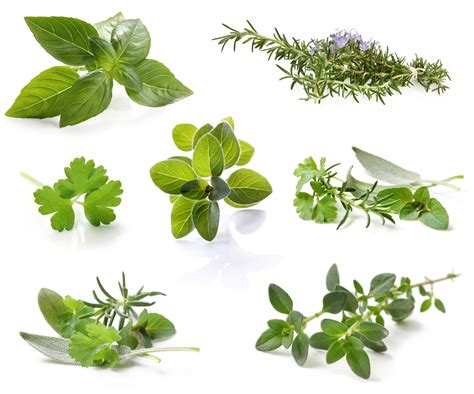
Air drying is arguably the most straightforward and effective method for preserving a wide variety of herbs. It requires nothing more than good air circulation and a dry, warm environment. Herbs like rosemary, thyme, oregano, marjoram, and bay leaves are excellent candidates for air drying. To begin, harvest your herbs in the late morning after the dew has evaporated but before the sun is too strong, ensuring their essential oils are at their peak. Gently wash and pat them dry if needed.
Bunch small quantities of herbs together, tying the stems with twine or rubber bands. Hang these bundles upside down in a clean, dark, and well-ventilated area, such as a pantry, attic, or even a covered porch away from direct sunlight. The darkness helps to retain their vibrant color and potent flavor. Depending on humidity and herb type, drying can take anywhere from one to three weeks. Herbs are fully dry when their leaves are brittle and crumble easily. Once dry, strip the leaves from the stems and store them whole or lightly crushed in airtight containers away from light and heat.

Salt Curing for Robust Flavors
Salt has been a preservative for millennia, and it works wonderfully for certain herbs, particularly those with strong flavors like rosemary, thyme, oregano, and sage. This method not only preserves the herbs but also infuses the salt with their aromatic oils, creating a flavorful seasoning salt. You can use coarse sea salt or kosher salt for the best results.
To salt cure, layer fresh, clean, and thoroughly dry herbs (moisture is the enemy here) with salt in a clean, airtight glass jar. Start with a layer of salt at the bottom, then a layer of herbs, followed by more salt, and so on, ensuring the herbs are completely covered by salt. Press down gently to remove air pockets. Seal the jar and store it in a cool, dark place. The salt will draw out moisture from the herbs, preserving them. The herbs will become brittle, and the salt will become intensely flavored. This method is fantastic for cooking, allowing you to use both the seasoned salt and the preserved herb pieces.
Creating Flavorful Oil Infusions (with Dried Herbs)
Infusing oils with herbs is a wonderful way to capture their essence for culinary use. However, for long-term, electricity-free storage, it is crucial to use dried herbs to prevent the risk of botulism, which can occur with fresh herbs stored in oil at room temperature. Use a high-quality extra virgin olive oil or another neutral oil of your choice.
Gently bruise your thoroughly dried herbs (e.g., oregano, thyme, rosemary, basil) and place them in a clean, dry glass jar. Pour the oil over the herbs, ensuring they are completely submerged. Seal the jar and place it in a sunny windowsill or a warm spot for about two weeks, shaking it gently every day or two. The warmth helps extract the flavors. Alternatively, a cold infusion method involves simply letting it sit in a cool, dark place for 3-4 weeks. Once infused, strain the herbs out of the oil using cheesecloth and store the pure herb-infused oil in a clean, dark bottle in a cool, dark place. Use within 6-12 months.

Vinegar Infusions for Zesty Dressings
Herb-infused vinegars add a delightful tang and aromatic depth to salad dressings, marinades, and sauces. This method is simple and provides a long shelf life without refrigeration. Good choices for vinegar infusions include tarragon, chives, rosemary, thyme, and oregano. Use a good quality apple cider vinegar, white wine vinegar, or red wine vinegar.
Harvest fresh, clean herbs and gently bruise them to release their oils. Pack them loosely into a clean glass bottle or jar. Heat your chosen vinegar gently on the stovetop until it’s warm but not boiling (this helps extract flavors, though a cold infusion also works with longer steeping). Pour the warm vinegar over the herbs, ensuring they are fully submerged. Seal the bottle and let it infuse in a cool, dark place for two to four weeks, shaking occasionally. Once the flavor is to your liking, strain out the herbs and transfer the infused vinegar to a clean bottle. Store in a cool, dark pantry for up to a year or more.
Preserving Herbs with Sugar or Honey
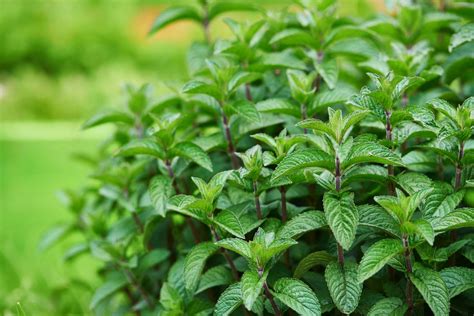
While less common for savory herbs, sugar and honey are fantastic natural preservatives for sweet or aromatic herbs like mint, lavender, rose petals, and lemon verbena. This method creates delightful ingredients for teas, desserts, or garnishes.
For sugar preservation, finely chop fresh, clean, and dry herbs. Layer them in a clean jar with granulated sugar, pressing down firmly to remove air. Ensure the top layer is sugar. The sugar will draw out moisture and absorb the herb’s flavor. For honey, simply pack fresh herb sprigs (like mint or lavender) into a jar and cover them completely with raw honey. The honey’s antibacterial properties will preserve the herbs. Store both sugar and honey preserved herbs in a cool, dark place. The sugar method works particularly well for creating flavored sugars, while honey infusions are excellent for sweetening teas or drizzling over desserts.
Preserving your garden herbs without electricity is a rewarding endeavor that not only saves your harvest but also deepens your connection to traditional foodways. Experiment with these methods to discover your favorites, and enjoy the taste of your garden’s bounty all year long, naturally.