

Best DIY methods for safely preserving garden harvests without refrigeration?

As gardeners, we often find ourselves with an abundance of produce that far exceeds immediate consumption. While modern refrigeration offers convenience, historical and sustainable methods allow us to safely preserve harvests for months, even years, without relying on electricity. Embracing these DIY techniques not only reduces energy consumption but also fosters self-sufficiency and deepens our connection to food.

1. Drying and Dehydration
Drying is one of the oldest and simplest methods of food preservation, removing moisture to inhibit microbial growth. This method works wonderfully for fruits, herbs, and even some vegetables.
Sun Drying
Ideal for climates with consistent heat and low humidity, sun drying uses the power of the sun to slowly remove moisture. Slice fruits like apples, peaches, or tomatoes thinly and spread them on screens in direct sunlight, elevated to allow air circulation. Cover with cheesecloth to protect from insects. Flip daily and bring indoors at night or during damp weather. Herbs can be bundled and hung upside down in a warm, dry, well-ventilated area away from direct sunlight.
Air Drying
Similar to sun drying but performed indoors, air drying is excellent for herbs, hot peppers, and certain beans. Tie herbs into small bunches and hang them in a warm, dark, well-ventilated room. Peppers can be strung together into a ‘ristra’. Ensure good air flow to prevent mold.

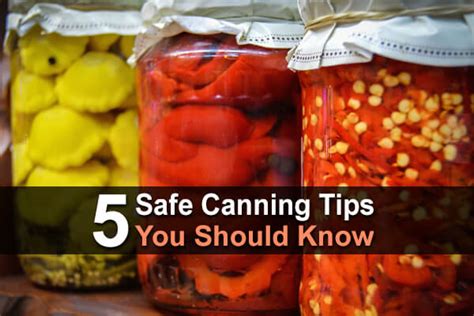
2. Canning (Water Bath & Pressure)
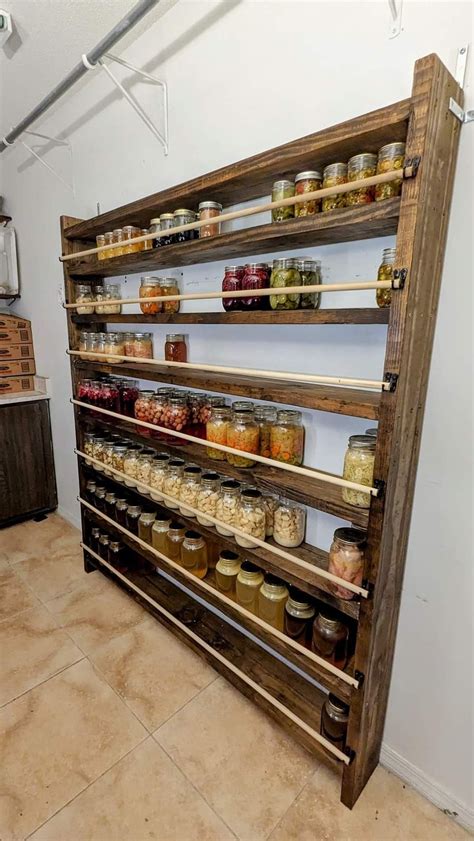
Canning creates a vacuum seal that keeps food safe from spoilage. It requires careful attention to detail but results in shelf-stable foods that need no refrigeration until opened.
Water Bath Canning
This method is suitable for high-acid foods such as fruits, jams, jellies, pickles, and tomato products (with added acid). Jars filled with food are submerged in boiling water for a specific period, sterilizing the contents and creating a seal. Always follow tested recipes from reliable sources like the USDA.
Pressure Canning
For low-acid foods like most vegetables (beans, corn, carrots, potatoes) and meats, a pressure canner is essential. It reaches temperatures higher than boiling water, which is necessary to destroy Clostridium botulinum spores that thrive in low-acid, anaerobic environments. This method is more involved and requires strict adherence to safety guidelines and processing times.

3. Fermentation
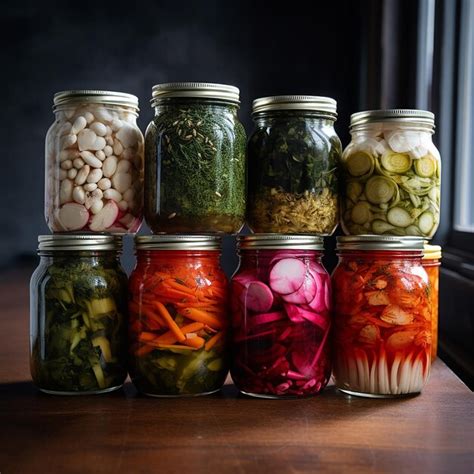
Fermentation is a transformative process where beneficial bacteria convert sugars into lactic acid, alcohol, or acetic acid, preserving food and often enhancing its nutritional value. The resulting acidity inhibits harmful bacteria.
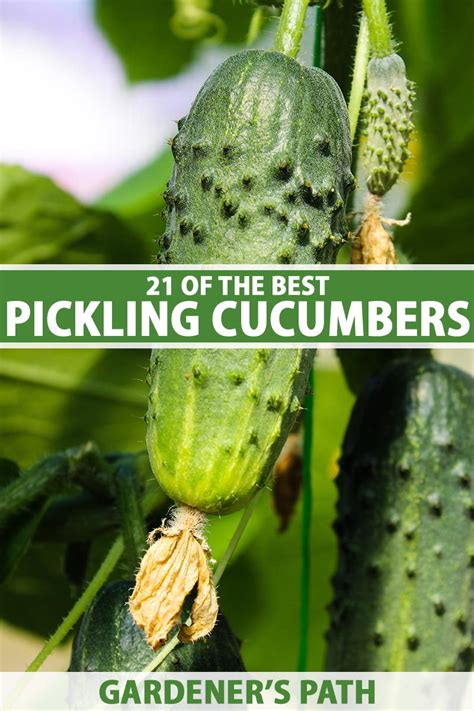
Common fermented garden produce includes sauerkraut (cabbage), kimchi (cabbage and other vegetables), and various pickled vegetables (cucumbers, carrots, beans). The process typically involves submerging vegetables in a brine (saltwater solution) or massaging them with salt, then allowing them to ferment in an anaerobic environment at room temperature. Proper cleanliness and attention to salt ratios are key to safe and successful fermentation.
4. Root Cellaring and Cool Storage
Before refrigeration, root cellars were vital for storing crops over winter. These spaces provide consistent cool temperatures (ideally 35-50°F / 2-10°C) and high humidity, ideal for many root vegetables, fruits, and squashes.
Crops like potatoes, carrots, beets, parsnips, and apples store well in a root cellar or unheated basement/garage with controlled humidity. Onions and garlic prefer slightly cooler, drier conditions. Winter squash (butternut, acorn, pumpkin) likes a cool, moderately dry environment. Ensure produce is free of blemishes before storing, and store different types of produce separately as some (like apples) release ethylene gas, which can spoil others.

Conclusion
Preserving your garden’s bounty without refrigeration is a rewarding and empowering skill. Whether you choose to dry, can, ferment, or root cellar, each method offers a unique way to extend the freshness and flavor of your harvest. Always prioritize food safety by using clean equipment, following tested recipes, and understanding the principles behind each technique. With a little practice, you can enjoy the fruits (and vegetables!) of your labor all year long, contributing to a more sustainable and self-sufficient lifestyle.