



Best DIY natural pest control for garden vegetables without chemicals?

Cultivating a thriving vegetable garden is incredibly rewarding, but nothing can be more frustrating than watching your precious plants fall victim to an army of unwelcome pests. The good news is that you don’t need harsh chemicals to keep your garden safe. Many effective, natural solutions can help you maintain a healthy, productive garden without harming beneficial insects or the environment.
Understanding Your Enemy and Allies
Before launching into combat, it’s crucial to identify the pests you’re dealing with and understand their life cycles. Not all insects are harmful; many are beneficial, like ladybugs and lacewings, which prey on common garden pests. Learning to distinguish between the two is the first step in successful natural pest management.

Prevention is Key: Building a Resilient Garden
The best defense against pests is a strong offense, meaning creating an environment where pests are less likely to thrive. Healthy plants are more resistant to pest attacks.
Companion Planting
Certain plants can naturally deter pests or attract beneficial insects when planted near your vegetables. For example:
- Marigolds: Known to repel nematodes and other soil-borne pests.
- Nasturtiums: Can act as a trap crop, luring aphids away from other plants.
- Garlic & Onions: Their strong scents deter many insects, including aphids and spider mites.
- Herbs (Rosemary, Mint, Basil): Often repel various pests and can even enhance the flavor of nearby vegetables.
Crop Rotation and Garden Hygiene
Rotating your crops each season prevents pests specific to certain plant families from building up populations in one area. Regularly removing weeds, diseased leaves, and garden debris also eliminates hiding spots and breeding grounds for pests.
DIY Pest Control Solutions
When prevention isn’t quite enough, these homemade remedies can come to the rescue.
Homemade Insecticidal Soaps
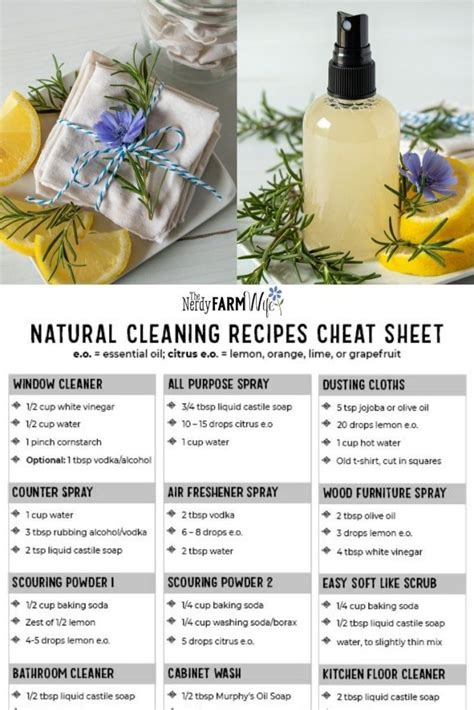
A simple mixture of mild liquid soap and water can be highly effective against soft-bodied insects like aphids, spider mites, and whiteflies. The soap dissolves their outer protective layer, causing dehydration.
- Recipe: Mix 1-2 tablespoons of mild liquid dish soap (avoid detergents with degreasers) with 1 gallon of water.
- Application: Spray directly onto affected plants, focusing on the undersides of leaves, until thoroughly wet. Test on a small area first to ensure it doesn’t harm the plant.

Garlic and Chili Pepper Sprays
The strong odors and irritating compounds in garlic and chili peppers can deter a wide range of pests.
- Garlic Spray: Blend several cloves of garlic with a cup of water, let it sit for a day, then strain and dilute with more water (e.g., 1 part concentrate to 10 parts water). Add a drop of mild soap as an emulsifier.
- Chili Spray: Mix a teaspoon of cayenne pepper (or a few crushed fresh chilies) with a quart of water and a drop of mild soap. Let it sit overnight, then strain.
- Application: Spray plants thoroughly. Be cautious not to get chili spray in your eyes or on your skin.
Neem Oil
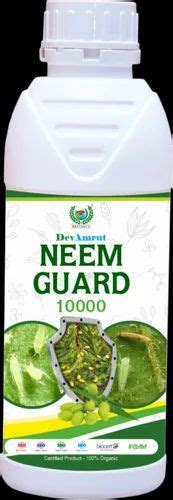
Derived from the neem tree, neem oil is a powerful natural insecticide, fungicide, and miticide. It works by disrupting insect feeding and growth.
- Application: Mix according to package directions (usually 1-2 tablespoons per gallon of water) with a few drops of mild soap. Spray plants in the evening to avoid harming beneficial insects and allow it to dry before sun exposure.
Physical Barriers and Traps
Sometimes, the simplest solutions are the most effective.
Row Covers and Netting
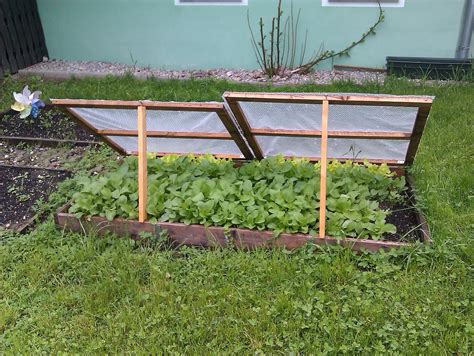
Lightweight row covers or insect netting can physically block pests like cabbage worms, squash bugs, and cucumber beetles from reaching your plants. Ensure the covers are well-anchored to prevent pests from crawling underneath.
Hand-Picking and Trapping
For larger pests like tomato hornworms or slugs, hand-picking them off plants can be very effective. Drop them into a bucket of soapy water. Slug traps (shallow dishes of beer buried at soil level) can also lure and drown these slimy invaders.

Attracting Beneficial Insects
Recruiting an army of beneficial insects is one of the most sustainable ways to control pests. These natural predators and parasites feast on common garden nuisances.
Plants That Attract Beneficials:
- Dill, Fennel, Cilantro: Attract ladybugs, lacewings, and parasitic wasps.
- Sweet Alyssum, Cosmos, Sunflowers: Provide nectar and pollen for a variety of beneficial insects.
Avoid using even organic pesticides indiscriminately, as they can also harm these helpful allies.

Conclusion
Achieving a healthy, pest-free vegetable garden without chemicals is entirely possible with a combination of prevention, observation, and targeted natural remedies. By understanding your garden’s ecosystem and implementing these DIY strategies, you can enjoy a bountiful harvest while fostering a healthier environment for your plants, pollinators, and family.