


Best DIY non-toxic pest control for your backyard vegetable garden?
Why Choose Non-Toxic Pest Control for Your Garden?
Cultivating a thriving backyard vegetable garden is incredibly rewarding, but unwelcome pests can quickly turn your green thumb aspirations into a frustrating battle. While chemical pesticides offer a quick fix, they pose risks to your family’s health, beneficial insects, soil health, and the broader ecosystem. Opting for non-toxic, DIY pest control methods ensures your produce remains safe to eat, supports biodiversity, and promotes a healthy, sustainable garden environment.
Building a Strong Defense: Preventative Measures
The best pest control often starts with prevention. A healthy garden is more resilient to pest attacks.
Healthy Soil and Robust Plants
Strong, healthy plants are naturally more resistant to pests. Focus on enriching your soil with compost and organic matter, ensuring proper watering, and providing adequate sunlight. Rotate your crops annually to prevent the build-up of specific pests and diseases in the soil.
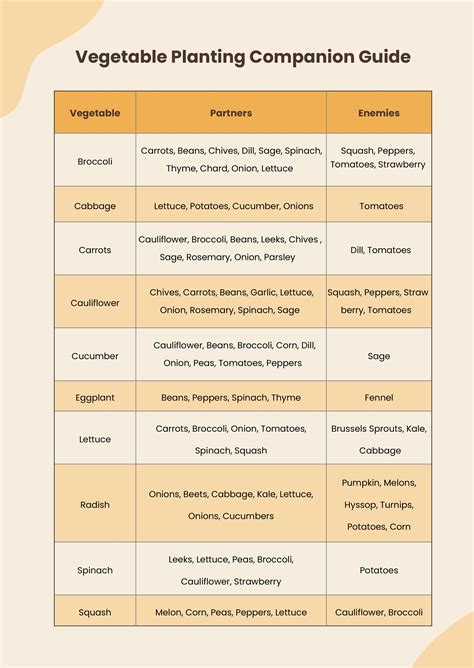
Companion planting is a time-tested strategy that involves placing certain plants together to deter pests or attract beneficial insects. For example, marigolds are known to repel nematodes and other ground pests, while nasturtiums can act as a trap crop, luring aphids away from more desirable plants.
Physical Barriers
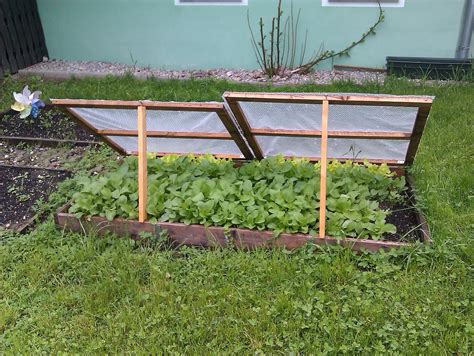
Sometimes the simplest solutions are the most effective. Physical barriers can prevent pests from ever reaching your plants. Row covers made of fine mesh can protect young seedlings from flying insects like cabbage worms and squash bugs. Hand-picking larger pests like slugs, snails, and tomato hornworms is also a highly effective, albeit manual, method.
DIY Non-Toxic Sprays and Solutions
When prevention isn’t enough, several homemade sprays can tackle pest infestations without resorting to harsh chemicals.
Neem Oil Spray
Derived from the neem tree, neem oil is a powerful, broad-spectrum organic pesticide. It works by disrupting insect feeding and growth cycles. Mix 1-2 tablespoons of cold-pressed neem oil with a teaspoon of mild liquid soap (as an emulsifier) per gallon of water. Spray thoroughly on all plant surfaces, including undersides of leaves, in the early morning or late evening to avoid scorching leaves in direct sun and to protect pollinators.
Insecticidal Soap Spray
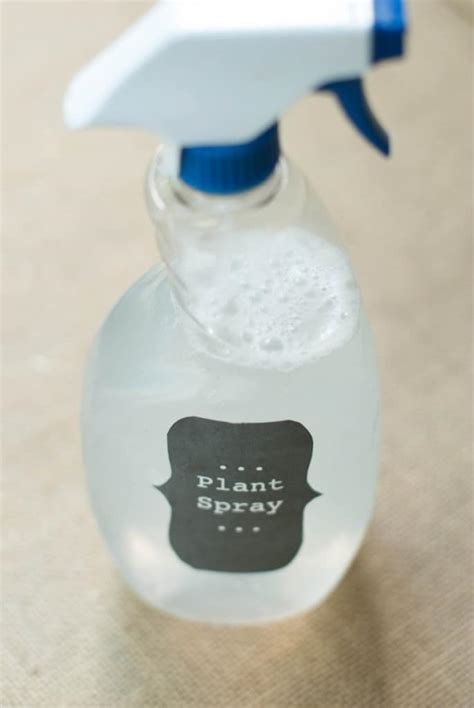
A simple soap spray can be incredibly effective against soft-bodied insects like aphids, spider mites, and whiteflies. Mix 1-2 tablespoons of mild liquid dish soap (ensure it doesn’t contain degreasers or harsh chemicals) with a gallon of water. Spray directly onto affected plants, making sure to coat the pests themselves. The soap breaks down their protective outer layer, causing dehydration. Always test on a small leaf area first to ensure no adverse reaction.
Garlic or Chili Pepper Spray
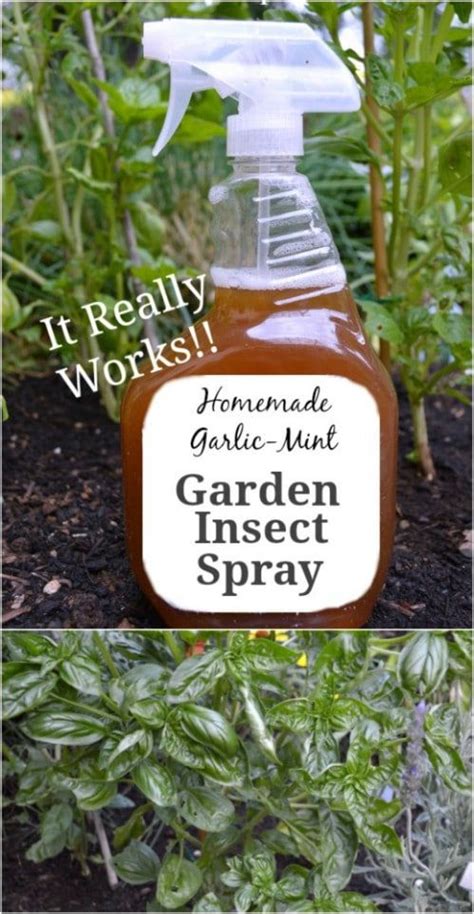
Garlic and chili peppers contain compounds that are natural pest repellents. To make a garlic spray, blend several cloves of garlic with a cup of water, let it sit overnight, then strain and dilute with another gallon of water. For a chili spray, mix 1-2 tablespoons of cayenne pepper or finely chopped fresh chili peppers with a gallon of water and a dash of soap. These sprays can deter a wide range of chewing and sucking insects.
Attracting Beneficial Insects
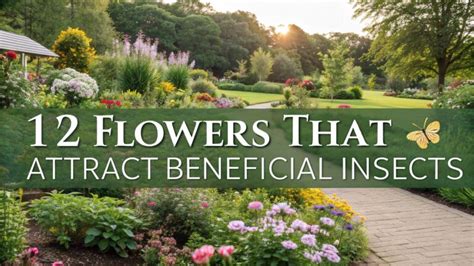
Welcome nature’s pest control into your garden! Ladybugs, lacewings, hoverflies, and parasitic wasps are all natural predators of common garden pests like aphids, caterpillars, and mites. Plant a diverse range of flowering plants that provide nectar and pollen, such as dill, fennel, cosmos, and sweet alyssum, to attract and sustain these helpful insects.
Traps and Repellents
Beyond sprays, other non-toxic methods can help manage pest populations.
Sticky Traps
Yellow sticky traps are great for monitoring and catching flying insects like whiteflies, fungus gnats, and winged aphids. You can buy these or make your own by coating yellow cardstock with a sticky substance like petroleum jelly.
Beer Traps for Slugs and Snails
Slugs and snails are notorious garden destroyers. Bury shallow dishes or containers (like tuna cans) up to their rims in the soil and fill them with beer. The yeast in the beer attracts slugs and snails, which then fall in and drown. Check and empty traps daily.

Diatomaceous Earth (DE)
Food-grade diatomaceous earth is a natural powder made from fossilized diatoms. When insects crawl over it, the microscopic sharp edges of DE scratch their exoskeletons, leading to dehydration. Sprinkle a fine layer around the base of plants or directly onto insects like slugs, snails, and earwigs. Always apply when dry and avoid inhaling the dust. Use with caution around flowering plants where beneficial insects might be present.
Consistent Monitoring and Maintenance
No pest control method is truly set-and-forget. Regularly inspect your plants for signs of pest activity – check leaf undersides, stems, and new growth. Early detection allows you to address issues before they become major infestations. Remove affected leaves or branches promptly, and reapply DIY treatments as needed, especially after rain.
Conclusion
Protecting your backyard vegetable garden with non-toxic, DIY pest control is an ongoing commitment, but one that yields bountiful rewards: healthy plants, safe food, and a vibrant ecosystem. By combining preventative practices, homemade remedies, and a bit of patience, you can enjoy a chemical-free harvest and a garden that truly thrives in harmony with nature.