



Best DIY plan for a sturdy, long-lasting raised garden bed for heirloom tomatoes?
Why a Raised Bed for Heirloom Tomatoes?
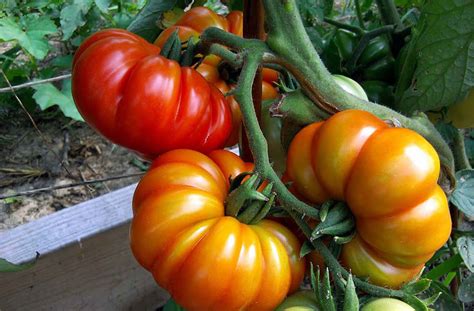
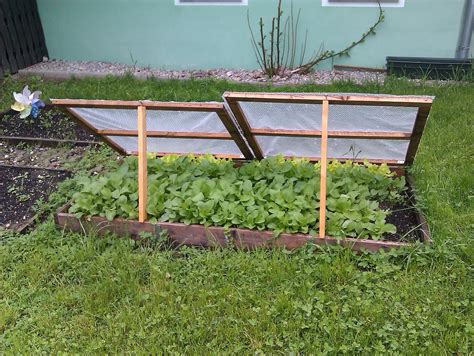
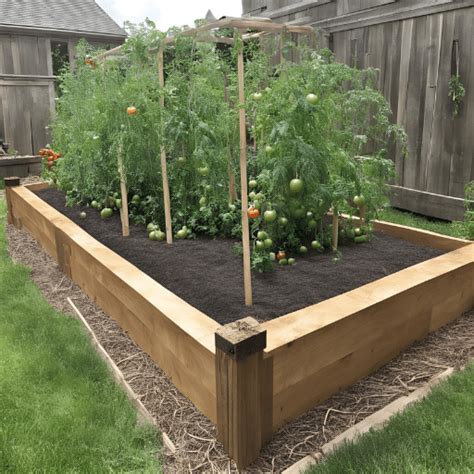
Heirloom tomatoes are celebrated for their incredible flavor and variety, but they can be demanding. They grow large, produce abundant fruit, and often require substantial support. A raised garden bed offers numerous advantages for these magnificent plants: improved drainage, better soil control, warmer soil temperatures in spring, and easier access for tending. Crucially, a well-built, sturdy raised bed provides the stable foundation needed to support the heavy weight of mature heirloom tomato plants and their bountiful harvest, lasting for many growing seasons.
Material Selection: The Foundation of Durability
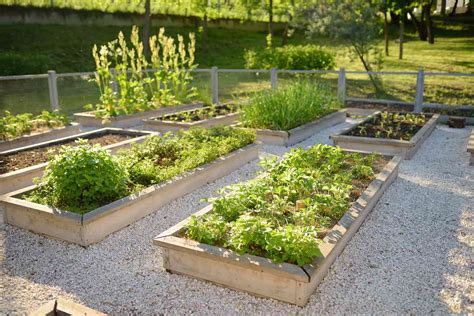
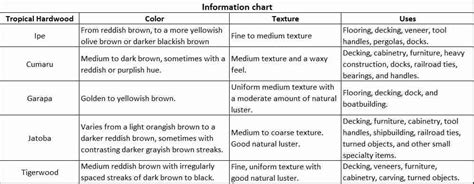
The key to a long-lasting raised bed lies in choosing the right materials. For a food-producing garden, it’s essential to select materials that are rot-resistant and non-toxic. Avoid chemically treated lumber (like CCA or ACQ treated wood) as chemicals can leach into your soil.
- Wood Choices:
- Cedar: Naturally resistant to rot and insects, cedar is an excellent choice. It’s beautiful and durable, though often pricier.
- Redwood: Similar to cedar in its rot resistance and longevity, redwood is another premium option, especially for drier climates.
- Douglas Fir: A more economical option, Douglas Fir can be very durable if properly sealed or if thicker cuts are used. Look for heartwood for better resistance.
- Composite Lumber: Made from recycled plastics and wood fibers, composite lumber is extremely durable, rot-proof, and low-maintenance, though often more expensive upfront.
- Fasteners: Use stainless steel screws or bolts. These will not rust or corrode, ensuring your bed remains structurally sound for decades. Galvanized hardware is a secondary option but can eventually corrode.
- Liner (Optional but Recommended): A layer of heavy-duty landscape fabric or pond liner (non-PVC) can be placed on the inside walls of your wooden bed before filling with soil. This creates a barrier that further protects the wood from constant moisture, extending its life significantly. Ensure good drainage by puncturing the bottom of any liner.
Designing for Strength and Heirloom Tomato Success
A successful heirloom tomato bed needs more than just durable materials; it needs robust design.
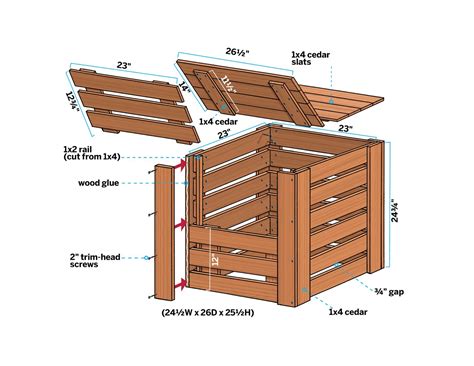
- Dimensions: For heirloom tomatoes, aim for a bed at least 18-24 inches deep to allow for extensive root growth. A width of 3-4 feet is ideal, allowing you to reach the center from either side without stepping on the soil, while still providing ample space for plants. Length can vary based on your space.
- Reinforced Corners: Corners are high-stress points. Use corner bracing plates (steel or extra wood blocks) on the inside to strengthen these joints. For longer beds (over 8 feet), consider adding internal cross-bracing to prevent bowing from the soil’s weight.
- Integrated Support System: This is critical for heirloom tomatoes. Design your bed with built-in provisions for staking or caging. You can drill holes for rebar or sturdy wooden stakes (2x2s) into the bottom frame or base plate. Alternatively, build a sturdy frame that extends above the bed to support trellising, or use heavy-gauge cattle panel arches. Plan for these supports to be anchored securely to the bed structure itself, not just poked into the soil.
Building Your Heirloom Tomato Haven: A Step-by-Step Guide
With your materials and design in mind, let’s assemble your raised bed.
- Site Selection and Preparation: Choose a level spot that receives at least 6-8 hours of direct sunlight daily. Clear the area of weeds. Lay down a weed barrier (cardboard or landscape fabric) to suppress existing weeds and prevent new ones from growing up into your bed.
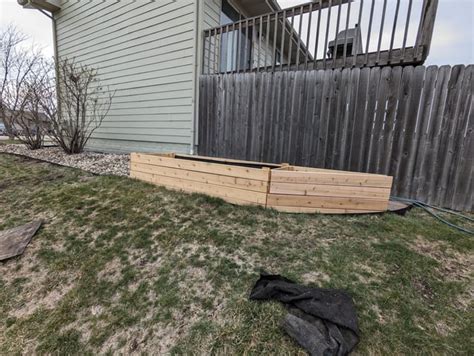
- Cut Your Lumber: Cut your chosen lumber to the desired lengths for the sides and ends of your bed. For an 18-inch deep bed, you might stack two 2x10s or three 2x6s.
- Assemble the First Layer: Start with the bottom layer. Join the boards at the corners using long stainless steel screws (at least 3-inch). For extra strength, you can pre-drill pilot holes to prevent wood splitting.
- Add Subsequent Layers: Stack and secure additional layers of lumber on top of the first. Stagger the joints like brickwork for greater stability. Overlap corner connections to ensure maximum structural integrity.
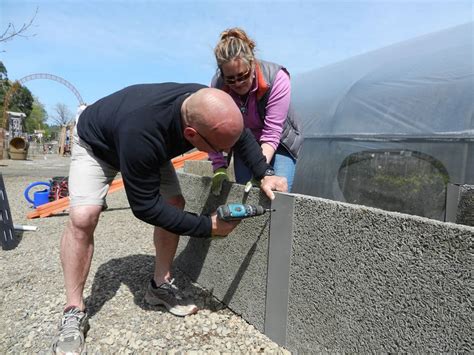
- Install Corner Braces and Internal Supports: Attach your corner bracing plates or internal wood blocks using stainless steel screws. If your bed is long, install internal cross-bracing as planned.
- Integrate Tomato Supports: Install any pre-planned support systems now. If using rebar stakes, drive them into the ground through pre-drilled holes in the bottom frame. If building a trellis frame, secure its base to the bed structure.
- Add Liner (if using): Staple or attach your chosen liner material to the inside walls of the bed, ensuring it covers all wood surfaces. Trim excess and puncture the bottom for drainage.
The Perfect Soil Mix and Planting for Success
A sturdy bed is only as good as its soil. Heirloom tomatoes are heavy feeders.
- Drainage Layer (Optional but Recommended): For very poor draining sites or extremely deep beds, you can add a 2-4 inch layer of coarse gravel or small rocks at the very bottom before adding soil. Ensure your weed barrier is beneath this layer.
- Premium Soil Mix: Fill your raised bed with a high-quality soil mix. A good blend includes:
- 50-60% high-quality topsoil or screened garden soil.
- 30-40% compost (compost is key for nutrients and water retention).
- 10% perlite or vermiculite for aeration and drainage.
- Add amendments like bone meal for phosphorus, blood meal for nitrogen, and a balanced organic fertilizer according to package directions.
Plant your heirloom tomato seedlings deeply, removing the lower leaves so that the stem can develop more roots. Space them appropriately according to their mature size, typically 2-3 feet apart for most heirloom varieties.
Ongoing Care for Your Heirloom Beauties
Once planted, water regularly and consistently, especially during fruiting. Utilize your integrated support system to guide and secure growing vines as they develop. Prune suckers for better air circulation and fruit production. With your well-designed, sturdy, and long-lasting raised garden bed, you’re set for years of delicious heirloom tomato harvests.