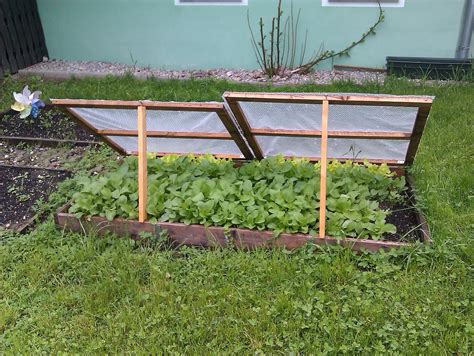
Best DIY raised garden bed materials for long-term food production on a budget?
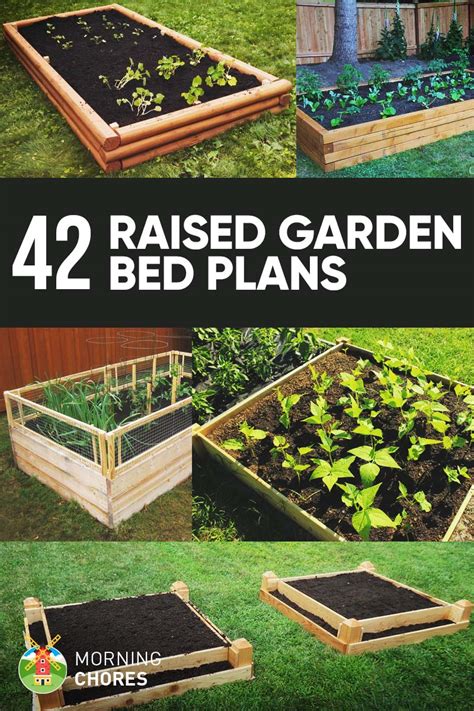
Building Smart: Long-Term Raised Beds on a Budget
Creating your own raised garden beds is a fantastic way to boost your food production, improve soil quality, and make gardening more accessible. However, choosing the right materials is crucial, especially when aiming for long-term durability on a tight budget. The goal is to select options that resist rot and degradation, are safe for growing edibles, and won’t require constant replacement, ultimately saving you money and effort over time.
Key Considerations for Material Selection
Before diving into specific materials, consider these factors:
- Durability: How long will the material last when exposed to soil, moisture, and the elements?
- Cost: What’s the initial investment, and what are the long-term maintenance costs?
- Safety: Is the material food-safe? Avoid anything that could leach harmful chemicals into your soil.
- Availability: Can you easily source the material in your area?
- Aesthetics: While budget-friendly, you might still want your garden to look appealing.
Top Material Choices for Long-Term Value
1. Untreated and Rot-Resistant Wood
Wood remains a popular choice for its natural look and workability. While some woods are pricey, smart choices can be budget-friendly and durable.
- Cedar, Redwood, Cypress: These are naturally rot-resistant and can last 10-20 years or more without treatment. They are an investment but offer excellent longevity. Look for untreated fence boards or rough-cut lumber to save costs.
- Untreated Fir or Pine: More affordable, but will rot much faster (3-7 years). To extend their life, line the inside of the bed with a heavy-duty pond liner or thick plastic sheeting (ensure good drainage holes). Avoid pressure-treated wood manufactured before 2003, as it may contain arsenic (CCA). Modern pressure-treated wood uses safer chemicals (ACQ, Copper Azole) but some gardeners still prefer to avoid it for edibles or line it extensively.

2. Galvanized Metal
Galvanized steel offers exceptional durability and a modern aesthetic. Options include:
- Galvanized Stock Tanks: Often found at farm supply stores, these come in various sizes and are incredibly durable, lasting 20+ years. They can be more expensive upfront but require no assembly and make instant raised beds. They can heat up in direct sun, so consider placement or lighter-colored options.
- Corrugated Metal Roofing Panels: New or salvaged panels can be framed with inexpensive wood posts (like 2x4s) to create durable, long-lasting beds. They offer a more industrial look and are very cost-effective per linear foot compared to other materials.
3. Concrete Blocks and Cinder Blocks
These masonry options are virtually indestructible and very affordable, especially if you can find them secondhand.
- Durability: Concrete and cinder blocks last indefinitely, resisting rot, pests, and fire.
- Cost: Often the cheapest option per linear foot, especially if you can get them used from construction sites or classifieds.
- Considerations: They can leach some lime into the soil, slightly raising pH, which is generally not an issue for most vegetables. They are heavy and can be visually less appealing to some, but can also be painted or faced. The holes in cinder blocks can even be used for planting small herbs!
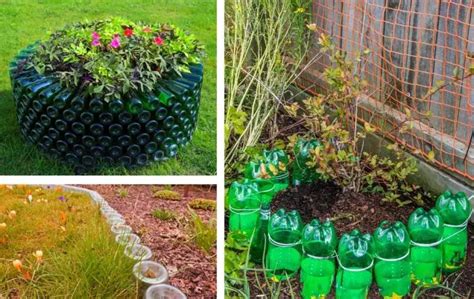
4. Recycled and Upcycled Materials
Resourcefulness can lead to truly budget-friendly solutions:
- Food-Grade Plastic Barrels or Totes: Cut in half or modified, these can make excellent, long-lasting beds. Ensure they were only used for food-safe contents.
- Heavy-Duty Tarps/Pond Liners: While not a rigid structure, these can be used to line trenches or create simple, temporary raised beds by filling with soil and shaping.
- Salvaged Bricks or Pavers: Similar to concrete blocks, these are durable and can often be found for free or cheap.
Tips for Extending Bed Lifespan and Saving Costs
- Line Wooden Beds: Even with rot-resistant wood, lining the inside with thick pond liner or 6-mil plastic sheeting will significantly extend its life by separating the wood from constant soil moisture. Remember to poke drainage holes in the bottom of the liner.
- Elevate Wood: Place wooden beds on gravel or pavers to prevent direct contact with the ground, reducing moisture absorption and rot.
- Fill with ‘Hugelkultur’: Use logs, branches, leaves, and other organic matter in the bottom of your beds. This reduces the amount of expensive topsoil needed, improves drainage, and provides long-term nutrients.
- Shop Smart: Look for sales, reclaimed materials, or local classifieds for free or discounted lumber, blocks, or metal.

Making Your Final Decision
The best material for your DIY raised garden bed ultimately depends on your specific budget, desired lifespan, aesthetic preferences, and local availability. For maximum longevity on a tight budget, galvanized metal or concrete blocks often provide the best return on investment. If wood is your preference, invest in naturally rot-resistant varieties or commit to properly lining more affordable lumber. By carefully considering your options, you can build a productive raised garden that will serve your food production needs for many seasons to come, all without breaking the bank.