




Best DIY root cellar design for storing homestead harvests?
For homesteaders and avid gardeners, a bountiful harvest is a source of immense satisfaction. But what to do with all that produce? While canning, freezing, and dehydrating are popular methods, a well-designed root cellar offers a simple, energy-efficient, and effective way to store root vegetables, fruits, and other perishables for months, mimicking nature’s refrigeration without electricity. Building your own root cellar is a rewarding DIY project that extends the life of your harvest and enhances your food security.
Understanding Root Cellar Essentials
Regardless of the design you choose, a successful root cellar relies on three critical environmental factors:
- Cool Temperatures: Ideally, between 32-50°F (0-10°C). Colder temperatures slow down respiration and spoilage, but freezing can damage produce.
- High Humidity: 85-95% humidity prevents produce from shriveling and drying out. Earth floors or damp sand can help maintain this.
- Adequate Ventilation: Good airflow removes ethylene gas (produced by ripening fruits) and prevents mold growth. Typically, this involves an intake pipe near the floor and an exhaust pipe near the ceiling.
Popular DIY Root Cellar Designs
Several designs are suitable for DIY construction, each with its advantages and challenges.
1. Earth-Sheltered or Underground Root Cellar
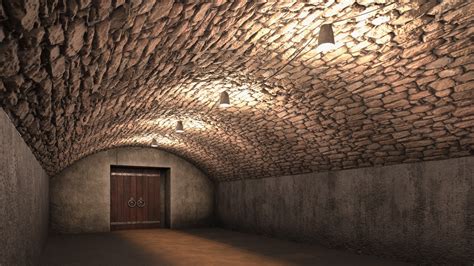
This is the classic design, leveraging the stable temperatures of the earth. It offers excellent insulation and natural humidity control.
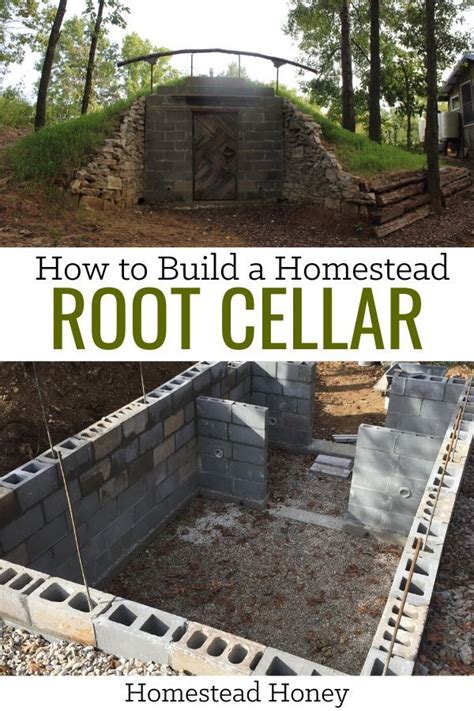
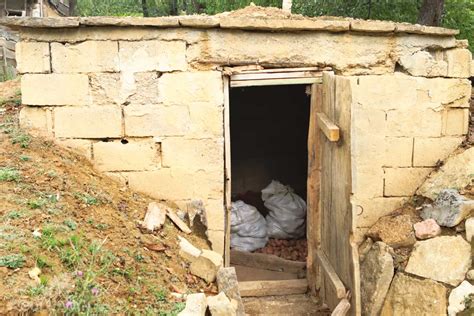
- Excavated Pit Cellar: Dig a large pit, line it with concrete blocks, stone, or treated lumber, and cover it with an insulated roof, then a layer of earth. Access can be via a small door or a hatch.
- Bermed Cellar: Build a structure partially or fully above ground, then pile earth against the walls and over the roof for insulation. This is less labor-intensive than full excavation and works well on sloped land.
2. Converted Existing Structures
If full excavation isn’t feasible, you can adapt an existing space.
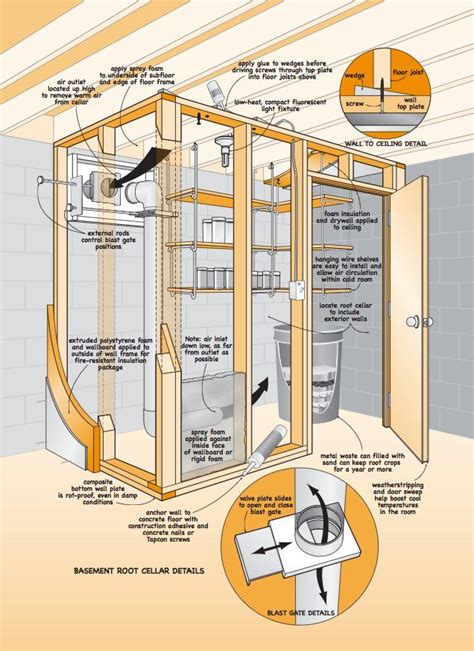
- Basement Root Cellar: If you have a basement, a dedicated corner can be walled off with insulated studs and a solid door. Ensure it has an external vent if possible, or adequate internal airflow. Concrete basements often provide stable temperatures and humidity.
- Crawl Space Cellar: A well-ventilated and dry crawl space can be insulated and adapted. Ensure it’s pest-proof and has proper flooring (earth or gravel is ideal for humidity).
- Shed or Outbuilding Conversion: An existing shed can be heavily insulated (walls, floor, ceiling) and sealed. Proper ventilation and a thick, insulated door are crucial here, as it will be more susceptible to external temperature fluctuations than an underground option.
Building Considerations for Your DIY Root Cellar
- Location: Choose a naturally cool, shaded spot, preferably on the north side of a building or a hillside. Avoid areas prone to flooding.
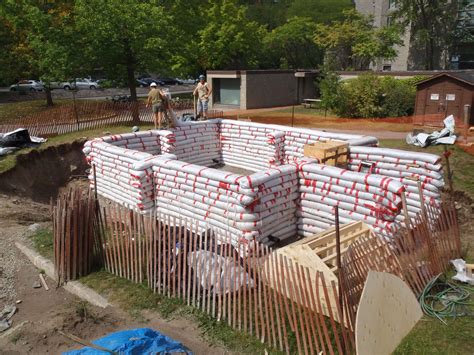
- Materials: Concrete blocks, stone, treated lumber, salvaged brick, and even old tires (earthship style) can be used for walls. Insulation materials like rigid foam, straw bales, or even a thick layer of compacted earth are essential.
- Ventilation System: Install two pipes – an intake pipe extending to the outside near the floor, and an exhaust pipe near the ceiling. PVC pipes with screens to keep pests out work well. Consider an adjustable damper for temperature control.
- Flooring: An earthen floor is best for natural humidity. If concrete, consider adding a layer of gravel or sand, or using trays of damp sand.
- Shelving and Storage: Use sturdy, slatted shelves to allow for airflow. Organize produce by type, as different items have different ideal storage conditions. Bins, crates, and even hanging nets can be useful.
Maintaining Your Root Cellar
Once built, a root cellar isn’t entirely hands-off. Regular monitoring is key:
- Monitor Temperature & Humidity: Use a thermometer and hygrometer to ensure conditions remain stable. Adjust ventilation as needed.
- Inspect Produce: Regularly check your stored items and remove any that show signs of spoilage to prevent it from spreading.
- Cleanliness: Keep the cellar clean to deter pests and mold.
Conclusion
A DIY root cellar is an invaluable asset for any homesteader, extending the bounty of your garden deep into the colder months. By understanding the core principles of temperature, humidity, and ventilation, and choosing a design that suits your land and resources, you can create a sustainable, energy-efficient storage solution that connects you more deeply with your harvest and promotes self-sufficiency. Dive into this rewarding project and enjoy fresh, homegrown produce year-round!